

 English

How Does a Motor Thermal Protector Work and Why Is It Important?

A motor thermal protector is a critical safety device designed to prevent electric motors from overheating and suffering permanent damage. By monitoring temperature and electrical conditions, the thermal protector automatically interrupts power when unsafe operating limits are exceeded. This protects motor windings, insulation systems, and mechanical components from thermal stress and premature failure.
Motor thermal protectors are widely used in household appliances, HVAC systems, industrial machinery, pumps, compressors, fans, and power tools. Their role is essential for ensuring operational safety, extending motor life, and reducing costly downtime caused by overheating.
Why Thermal Protection Is Critical for Motors
Electric motors generate heat during normal operation due to electrical resistance, mechanical friction, and magnetic losses. If this heat is not properly controlled, temperatures can rise beyond safe limits, degrading insulation and weakening motor components.
Thermal protectors serve as a last line of defense against abnormal conditions such as overload, locked rotor, phase loss, poor ventilation, or high ambient temperatures. By disconnecting power at the right moment, they prevent catastrophic motor failure and reduce fire risk.
How Motor Thermal Protectors Work
Motor thermal protectors operate by sensing temperature directly or indirectly and opening an electrical contact when a preset threshold is reached. Once the motor cools to a safe level, some protectors automatically reset, while others require manual intervention.
Depending on the design, thermal protectors may respond to motor winding temperature, ambient temperature, or current-related heating effects. Proper calibration ensures that protection is triggered before permanent damage occurs.
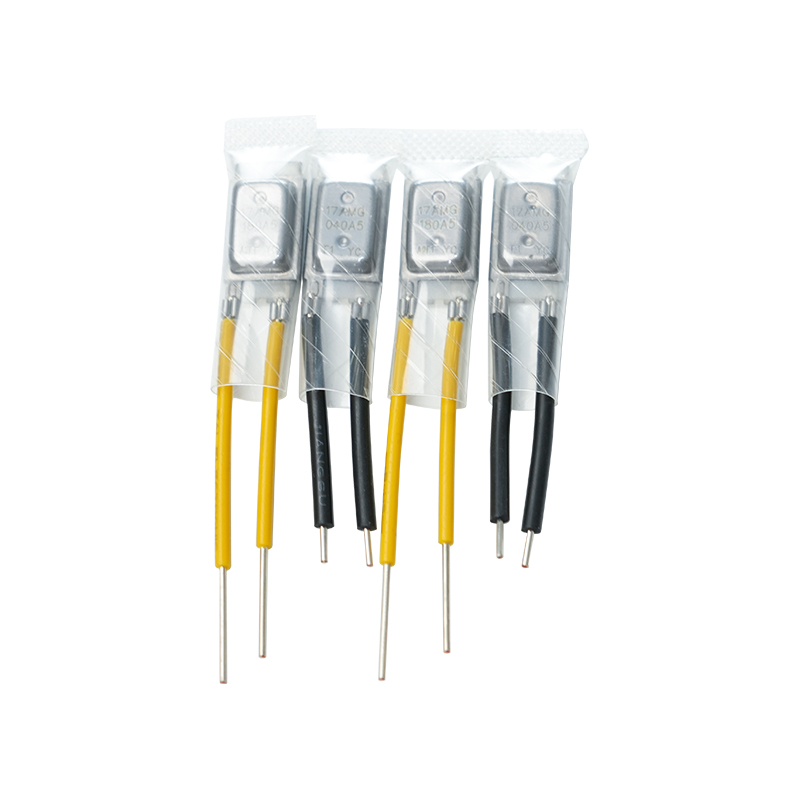
Main Types of Motor Thermal Protectors
There are several types of thermal protectors, each designed for specific motor sizes, applications, and protection requirements.
Bimetal Thermal Protectors
Bimetal protectors use two bonded metals with different expansion rates. When heated, the strip bends and opens a contact to interrupt power. These devices are simple, reliable, and commonly used in small to medium-sized motors.
PTC Thermistors
Positive Temperature Coefficient (PTC) thermistors increase resistance sharply at a specific temperature. They are often embedded in motor windings and connected to electronic control circuits for precise temperature monitoring.
Thermal Fuses
Thermal fuses provide one-time protection by permanently opening the circuit when a critical temperature is reached. They are typically used as a backup safety device in appliances and low-cost motor applications.
Electronic Motor Protection Relays
These advanced devices use electronic sensors and algorithms to monitor temperature, current, and voltage. They provide precise protection and are commonly used in industrial motors and critical applications.
Automatic Reset vs Manual Reset Protectors
Thermal protectors are available in automatic reset and manual reset versions, each offering different safety and operational characteristics.
- Automatic Reset: Restores power automatically after cooling, suitable for applications where brief interruptions are acceptable.
- Manual Reset: Requires user intervention to restore power, improving safety in critical or hazardous equipment.
- Hybrid Designs: Combine temperature and current sensing for enhanced protection accuracy.
Common Applications of Motor Thermal Protectors
Motor thermal protectors are used across many industries and products to ensure safe and reliable motor operation.
- HVAC Systems: Compressors, blowers, and condenser fans.
- Pumps and Compressors: Water pumps, air compressors, and sewage pumps.
- Household Appliances: Washing machines, refrigerators, vacuum cleaners, and dryers.
- Industrial Machinery: Conveyors, mixers, and processing equipment.
- Power Tools: Drills, grinders, and saws.
Key Selection Criteria for Thermal Protectors
Choosing the correct motor thermal protector is essential for effective protection and reliable operation. Selection should be based on both motor characteristics and application conditions.
- Motor Rated Current and Voltage: Ensure compatibility with electrical specifications.
- Trip Temperature: Must match motor insulation class and thermal limits.
- Reset Type: Automatic or manual depending on safety requirements.
- Mounting Method: Internal winding placement or external mounting.
- Environmental Conditions: Consider humidity, vibration, and ambient temperature.
Installation Best Practices
Proper installation ensures accurate temperature sensing and reliable operation of motor thermal protectors. Incorrect placement can result in delayed tripping or nuisance shutdowns.
Protectors should be installed as close as possible to the motor windings or hot spots to accurately reflect internal motor temperature. Wiring must be properly insulated and secured to prevent vibration-related failures.
Maintenance and Testing Procedures
Regular inspection and testing help ensure that motor thermal protectors remain functional throughout the motor’s service life. Over time, repeated thermal cycling can affect trip accuracy and contact reliability.
- Inspect wiring and terminals for looseness or corrosion.
- Test trip and reset functions during scheduled maintenance.
- Check for signs of overheating or discoloration.
- Replace protectors that show inconsistent or delayed tripping.
Common Causes of Thermal Protector Tripping
Frequent tripping of a motor thermal protector usually indicates an underlying issue that must be addressed. Simply resetting the protector without resolving the root cause can lead to repeated failures.
- Motor Overload: Excessive mechanical load increases current and heat.
- Poor Ventilation: Blocked airflow prevents effective cooling.
- High Ambient Temperature: Elevated surroundings raise internal motor temperature.
- Voltage Imbalance: Causes uneven heating in motor windings.
- Bearing or Mechanical Failure: Increases friction and heat generation.
Conclusion
Motor thermal protectors are essential safety components that safeguard electric motors from overheating, electrical faults, and mechanical overload. By automatically disconnecting power under unsafe conditions, they prevent costly motor damage and reduce fire and safety risks.
Selecting the right thermal protector, installing it correctly, and maintaining it regularly ensures optimal motor performance, extended equipment life, and improved system reliability across a wide range of applications.

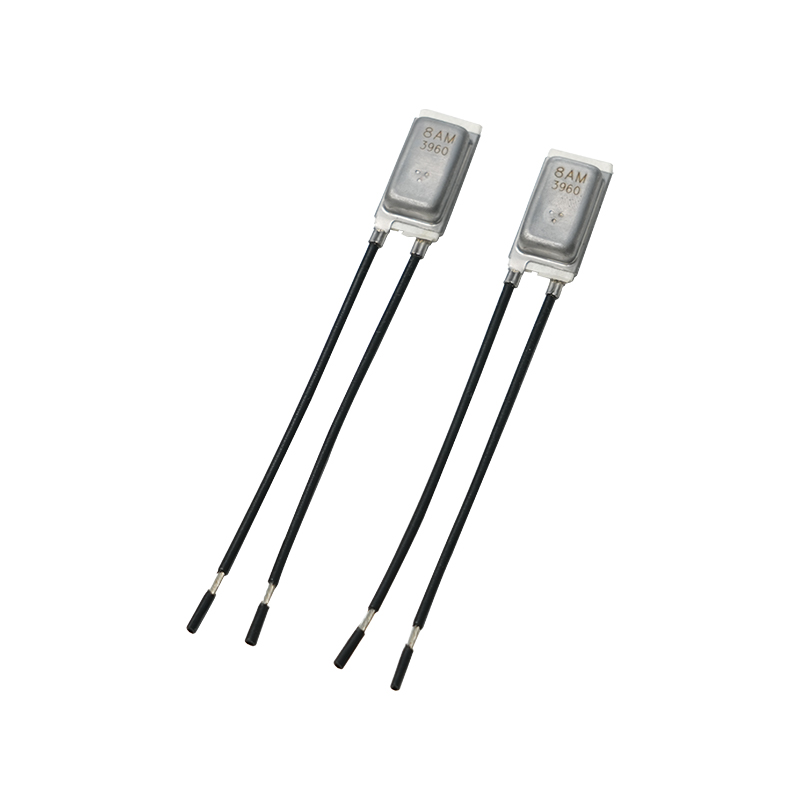
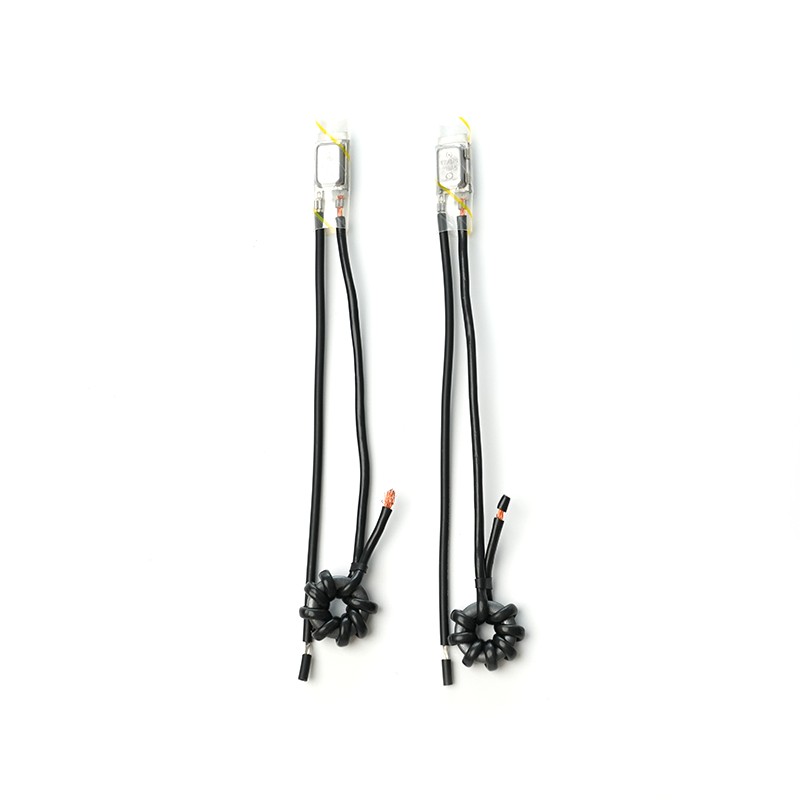
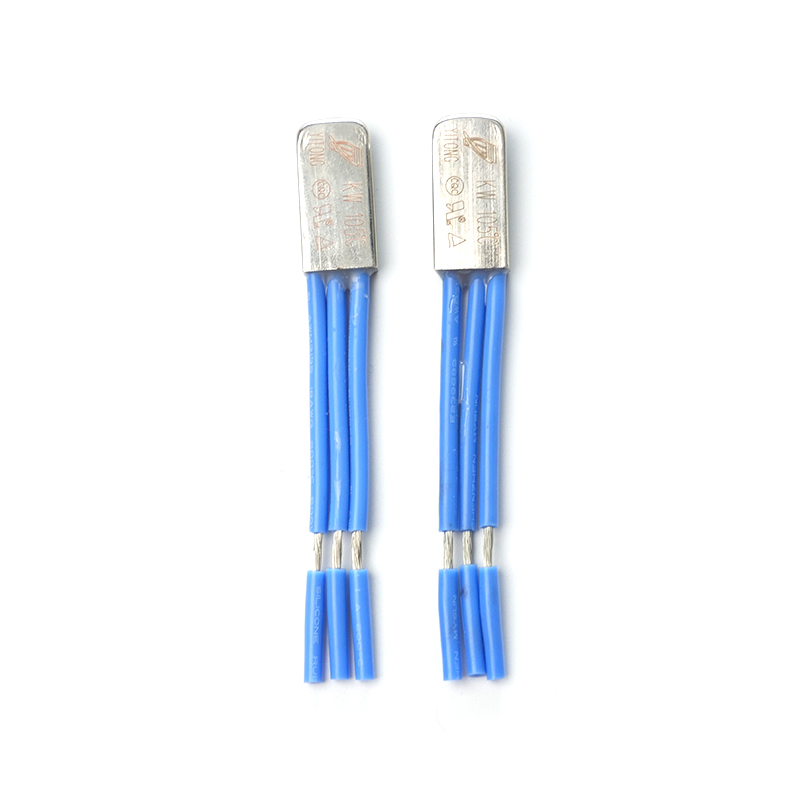



As China Thermal Protectors Manufacturers,Provide customers with high-quality and reliable protectors and electrical product safety protection solutions.
-
Tel:+86-515-88498139
-
Email:[email protected]
-
Phone:+86-13913681876
-
Add: Building C, No. 888 Huanhu West Second Road, Lingang New Area, China (Shanghai) Pilot Free Trade Zone
