

 English

Do AC compressors have thermal protection?

Understanding Thermal Protection in AC Compressors
Yes, virtually all modern AC compressors are equipped with thermal protection devices designed to prevent catastrophic failure due to overheating. These critical safety components monitor compressor temperature and automatically interrupt power when dangerous heat levels are detected, protecting the expensive compressor motor from permanent damage. Thermal protectors have become standard equipment in residential, commercial, and industrial air conditioning systems, representing an essential safeguard that extends equipment life and prevents costly repairs. Understanding how these devices function, the different types available, and their operational characteristics enables HVAC technicians and property owners to properly maintain cooling systems and diagnose problems when they occur.
The implementation of thermal protection in AC compressors addresses the fundamental vulnerability of electric motors to heat damage. Compressor motors generate heat during normal operation through electrical resistance and mechanical friction, while simultaneously absorbing heat from the refrigerant during the compression cycle. Under normal conditions, this heat dissipates adequately through the compressor housing and refrigerant circulation. However, abnormal operating conditions such as low refrigerant charge, restricted airflow, electrical problems, or mechanical issues can cause temperatures to rise to dangerous levels. Without thermal protection, these conditions would quickly destroy the motor windings, requiring complete compressor replacement at significant expense.
Types of Thermal Protectors Used in AC Compressors
Internal Thermal Protectors
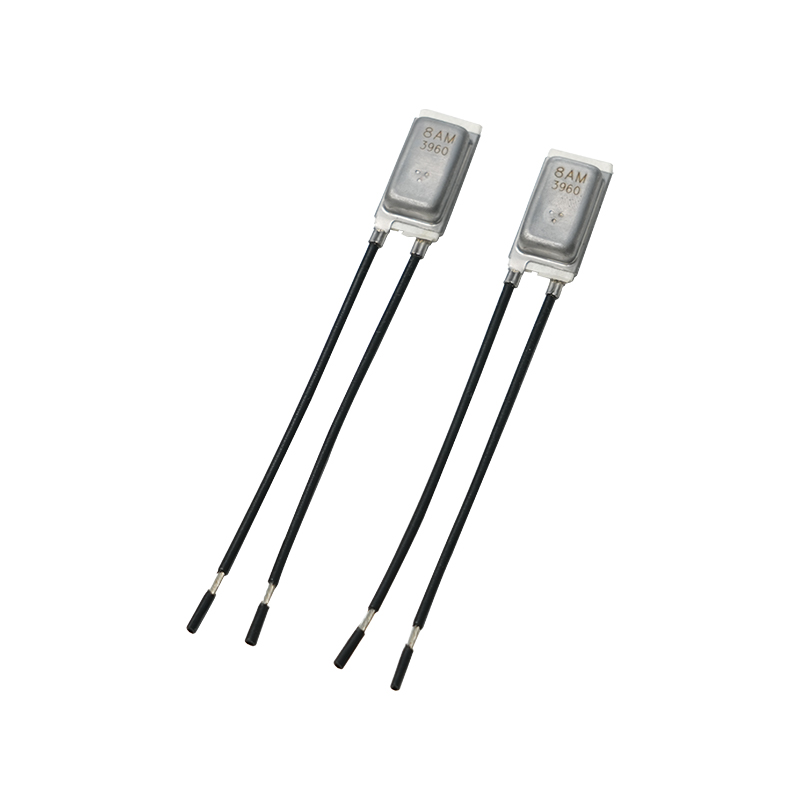
Internal thermal protectors are mounted directly within the compressor housing, typically embedded in or attached to the motor windings where they can accurately sense actual winding temperature. These devices provide the most accurate temperature monitoring because they measure heat at its source rather than relying on indirect measurements. The most common type is the klixon or bimetallic disc protector, which consists of a temperature-sensitive bimetallic disc that snaps open when it reaches a predetermined temperature, interrupting current flow to the compressor motor. Internal protectors typically activate at temperatures between 115°C and 135°C (240°F to 275°F), depending on the specific compressor design and manufacturer specifications.
Internal thermal protectors offer superior protection because they respond directly to motor temperature rather than ambient conditions or secondary indicators. When the protector trips, the compressor shuts down immediately, preventing further temperature rise. As the motor cools, the bimetallic disc returns to its original shape and the contacts close, allowing the compressor to restart once temperature drops below the reset point, typically 20-30°C (35-55°F) lower than the trip point. This automatic reset functionality means the system will attempt to restart after cooling, which can be either beneficial or problematic depending on whether the underlying cause of overheating has been addressed.
External Thermal Protectors
External thermal protectors mount on the outside of the compressor housing, sensing temperature through contact with the compressor shell rather than direct winding temperature measurement. These devices are more accessible for replacement and testing but provide less precise temperature monitoring compared to internal protectors. External protectors typically come in two varieties: line break protectors that interrupt power to the entire compressor circuit, and pilot duty protectors that open a control circuit to activate a contactor or relay that disconnects compressor power. External thermal protectors generally activate at lower temperatures than internal devices, typically between 90°C and 120°C (195°F to 250°F), providing an additional layer of protection before internal devices trip.
Combination Protectors
Many modern compressors employ combination thermal-overload protectors that respond to both temperature and current draw. These sophisticated devices monitor motor amperage in addition to temperature, providing protection against locked rotor conditions, voltage imbalances, and other electrical problems that might not immediately cause temperature rise but can damage the motor over time. Combination protectors typically feature a heating element connected in series with the compressor that warms the bimetallic disc based on current flow, supplementing the temperature-based protection. This dual-mode operation enables faster response to certain failure conditions and provides more comprehensive motor protection.
How Thermal Protectors Operate in Real-World Conditions
Understanding the operational cycle of thermal protectors helps technicians diagnose system problems and distinguish between protector failures and other issues causing compressor shutdown. During normal operation, the thermal protector remains closed, allowing current to flow to the compressor motor. As the motor operates, it generates heat that the protector continuously monitors. If operating conditions cause temperature to rise beyond normal levels, the protector's temperature-sensitive element begins to approach its trip point. The rate of temperature rise depends on the severity of the problem causing overheating, with severe issues like complete loss of refrigerant charge or locked rotor conditions causing rapid temperature increases.
When the trip temperature is reached, the protector's contacts open, interrupting power flow to the compressor motor. The sudden loss of power causes the compressor to stop running, eliminating the heat generation from motor operation and compression work. Heat dissipation then begins, with the compressor gradually cooling through conduction to surrounding air and surfaces. The cooling rate varies based on ambient temperature, compressor size, and whether the outdoor fan continues to operate. For typical residential compressors in moderate ambient conditions, cool-down to the reset temperature usually requires 5-15 minutes, though this period can be considerably longer in high ambient temperatures or for larger commercial compressors.
| Protector Type | Trip Temperature | Reset Temperature | Typical Cool-Down Time |
| Internal Bimetallic | 115-135°C | 85-105°C | 10-20 minutes |
| External Shell-Mount | 90-120°C | 65-90°C | 8-15 minutes |
| Combination Thermal-Overload | 100-130°C | 70-95°C | 12-25 minutes |
Common Causes of Thermal Protector Activation
Thermal protectors activate in response to elevated compressor temperatures, but the underlying causes of overheating vary widely and require systematic diagnosis to identify and correct. Low refrigerant charge represents one of the most common causes of thermal protector tripping, as insufficient refrigerant reduces cooling of the compressor motor and causes higher discharge temperatures. Refrigerant leaks develop over time from corrosion, vibration-induced cracks, or fitting failures, gradually reducing system charge until cooling capacity diminishes and compressor temperatures rise. Technicians should measure superheat and subcooling to verify proper charge and use leak detection equipment to locate and repair leaks before recharging the system.
Restricted airflow across the condenser coil causes discharge pressure to rise, increasing compression work and heat generation while reducing heat rejection capacity. Common airflow restrictions include dirty coils covered with dust, pollen, or debris; blocked condenser fans from failed motors or seized bearings; and inadequate clearance around the outdoor unit preventing proper ventilation. Electrical problems including voltage imbalances, single-phasing in three-phase systems, or degraded wiring connections create excessive current draw and heat generation. Mechanical issues such as failed bearings, refrigerant slugging from improper charge or installation, or internal valve failures increase motor load and temperature, triggering thermal protection.
- Low refrigerant charge reducing motor cooling and increasing discharge temperature beyond safe operating limits
- Dirty condenser coils restricting heat rejection and causing elevated condensing pressures and temperatures
- Failed condenser fan motor preventing adequate airflow across the condenser coil during operation
- Voltage problems including low voltage, voltage imbalance, or single-phasing causing excessive current draw and heating
- Restricted metering device or filter-drier reducing refrigerant flow and proper system operation
- Overcharge conditions increasing discharge pressure and compressor work beyond design specifications
- Mechanical failures including worn bearings, broken valves, or internal damage increasing friction and heat
- Ambient temperature extremes exceeding equipment design parameters for extended periods
Diagnosing Thermal Protector Problems
Systematic diagnosis distinguishes between thermal protector activation due to legitimate overheating conditions and protector failures causing nuisance tripping. Begin diagnosis by determining whether the compressor is actually overheating or if the protector is malfunctioning. Use an infrared thermometer or contact thermometer to measure compressor shell temperature during operation and immediately after shutdown. If measured temperatures approach or exceed typical trip points (90-135°C depending on protector type) when the unit trips, the protector is functioning correctly and diagnosis should focus on identifying the cause of overheating. Conversely, if the compressor trips at normal operating temperatures below 80°C, the thermal protector itself may be defective.
For systems that repeatedly cycle on thermal protection, monitor the time interval between startup and shutdown. Very short run times of less than one minute typically indicate electrical problems such as locked rotor, single-phasing, or severe voltage issues rather than temperature-related shutdown. Run times of 5-15 minutes before shutdown suggest actual overheating from refrigerant, airflow, or mechanical problems. Check system pressures during operation, comparing suction and discharge pressures to manufacturer specifications for ambient conditions. Low suction pressure combined with high discharge pressure indicates refrigerant restrictions, while high suction and discharge pressures suggest overcharge or non-condensibles in the system.
Testing and Replacing Thermal Protectors
Testing thermal protectors requires different approaches for internal versus external devices. External thermal protectors can be tested directly using an ohmmeter to check for continuity across the protector terminals when cool. A properly functioning external protector shows zero or near-zero resistance when at room temperature, indicating closed contacts. If the protector shows infinite resistance when cool, the contacts are stuck open and the device has failed. To verify temperature response, carefully heat the protector using a heat gun while monitoring resistance, which should transition to infinite (open circuit) at the rated trip temperature. This testing should be performed with the protector removed from the system to avoid damaging surrounding components.
Internal thermal protectors cannot be tested directly without opening the compressor, which is impractical for sealed units. Instead, diagnosis relies on measuring compressor resistance between terminals and observing operational behavior. A compressor with an open internal protector shows infinite resistance between the common and run terminals, or between common and start terminals, depending on protector location in the circuit. Allow adequate cooling time if the compressor was recently running, as the protector may simply be in its normal open state waiting to reset. If resistance remains infinite after 30 minutes of cooling in moderate ambient temperature, the protector may be stuck open or the motor windings may be damaged, requiring compressor replacement.
Replacement Procedures for External Thermal Protectors
Replacing external thermal protectors is straightforward but requires attention to proper installation for effective operation. Before beginning replacement, disconnect electrical power to the air conditioning unit and verify absence of voltage using a multimeter. Discharge any stored energy in capacitors by shorting terminals with an insulated screwdriver. Remove the existing thermal protector by disconnecting wire terminals and removing mounting hardware securing it to the compressor housing. Clean the mounting surface thoroughly, removing any old thermal paste, corrosion, or debris that might interfere with thermal contact between the new protector and compressor shell.
Select a replacement thermal protector with specifications matching the original device, paying particular attention to trip temperature, reset temperature, current rating, and mounting style. Apply a thin layer of thermal conductive paste to the contact surface of the new protector to ensure efficient heat transfer from the compressor shell. Mount the protector firmly against the compressor, positioning it in the same location as the original device. Most manufacturers specify installation on the upper portion of the compressor body where temperatures are highest. Connect electrical wiring according to the circuit diagram, ensuring proper wire gauge for the current rating and secure terminal connections that won't vibrate loose during compressor operation.
Preventing Thermal Protector Activation Through Maintenance
Preventive maintenance significantly reduces thermal protector activation by addressing the underlying conditions that cause compressor overheating. Implement a regular maintenance schedule including quarterly condenser coil cleaning to maintain proper heat rejection capacity. Clean coils using appropriate methods for the specific coil design, with fin-type coils responding well to gentle washing with water and approved coil cleaning solutions, while microchannel coils require more careful cleaning to avoid damage. Inspect and clean condenser fans, verifying proper rotation direction, adequate airflow, and absence of debris or obstructions around the outdoor unit.
Monitor electrical parameters including voltage at the disconnect during compressor operation, comparing measurements to nameplate specifications. Voltage should remain within ±10% of rated voltage, with three-phase systems showing voltage balance within 2% across all phases. Check current draw against nameplate ratings, investigating any compressor drawing significantly higher amperage than specified. Verify proper refrigerant charge annually by measuring superheat and subcooling, adjusting charge only when measurements fall outside manufacturer specifications. Address any refrigerant leaks immediately rather than simply adding charge, as repeated overheating from low charge significantly reduces compressor life even when thermal protection prevents immediate failure.
Understanding Thermal Protector Limitations
While thermal protectors provide essential protection against catastrophic compressor failure, they have limitations that users and technicians should understand. Thermal protectors respond to temperature, not to the underlying causes of overheating, meaning they treat symptoms rather than problems. A system repeatedly cycling on thermal protection continues to suffer from the condition causing overheating, accumulating damage with each cycle even though the protector prevents immediate failure. Extended operation in this marginal condition degrades motor insulation, bearing surfaces, and refrigerant oil quality, ultimately leading to compressor failure despite thermal protection being present and functional.
Thermal protectors also cannot protect against all failure modes that affect compressors. Sudden mechanical failures such as broken connecting rods, shattered valve plates, or catastrophic bearing seizure occur too rapidly for thermal protection to prevent damage. Gradual failures including slow refrigerant leaks may operate below thermal protection trip points while still causing inadequate cooling performance and customer dissatisfaction. Understanding these limitations reinforces the importance of addressing the root causes of thermal protector activation rather than viewing the protector as a permanent solution to ongoing operating problems. When a thermal protector trips, it signals a problem requiring investigation and correction, not simply a temporary inconvenience to be tolerated.
Advanced Thermal Protection Technologies
Modern HVAC systems increasingly incorporate advanced thermal protection technologies that provide more sophisticated monitoring and protection than traditional bimetallic protectors. Electronic thermal protection modules use thermistor sensors and solid-state switching to provide more precise temperature monitoring and faster response times. These devices can be integrated with system controls to provide diagnostic information, track operating trends, and differentiate between normal thermal cycling and developing problems requiring service attention. Some premium residential systems and most commercial installations now include compressor protection modules that monitor multiple parameters including temperature, current, voltage, and operating cycles to provide comprehensive motor protection.
Variable-speed compressor systems employ sophisticated motor protection algorithms integrated into the inverter drive that continuously monitor motor temperature, current, and speed to optimize protection while maximizing operational flexibility. These systems can reduce compressor speed when approaching thermal limits rather than shutting down completely, maintaining some cooling capacity while preventing damage. Smart thermostats and building management systems increasingly incorporate thermal protection monitoring, alerting users or service providers to repeated thermal trips that indicate developing problems requiring professional attention. As HVAC technology continues to advance, thermal protection systems will become more integrated, intelligent, and proactive, shifting from simple reactive protection to predictive maintenance capabilities that prevent problems before they cause service interruptions.
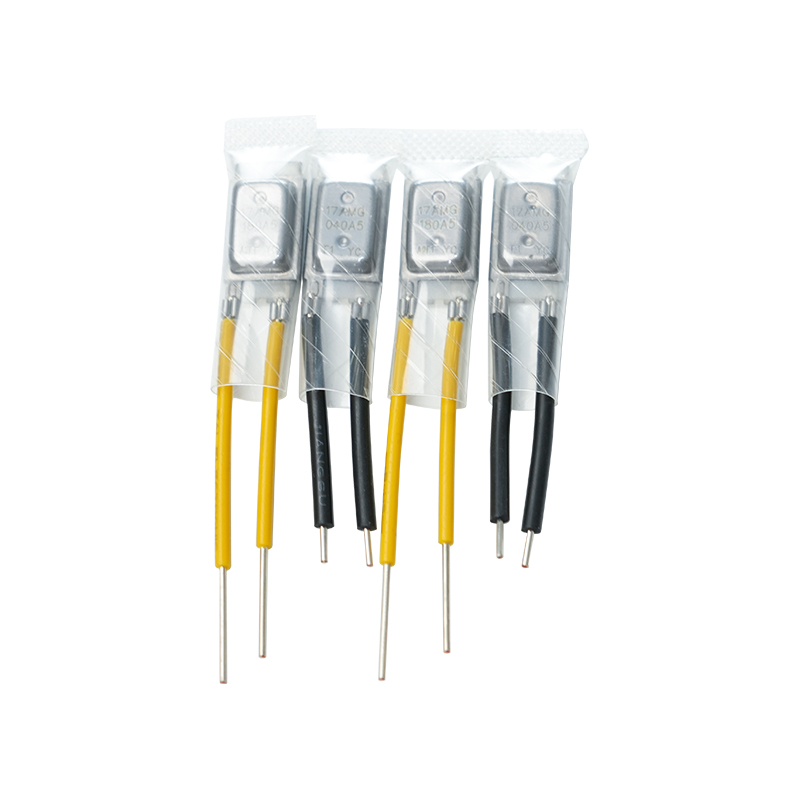

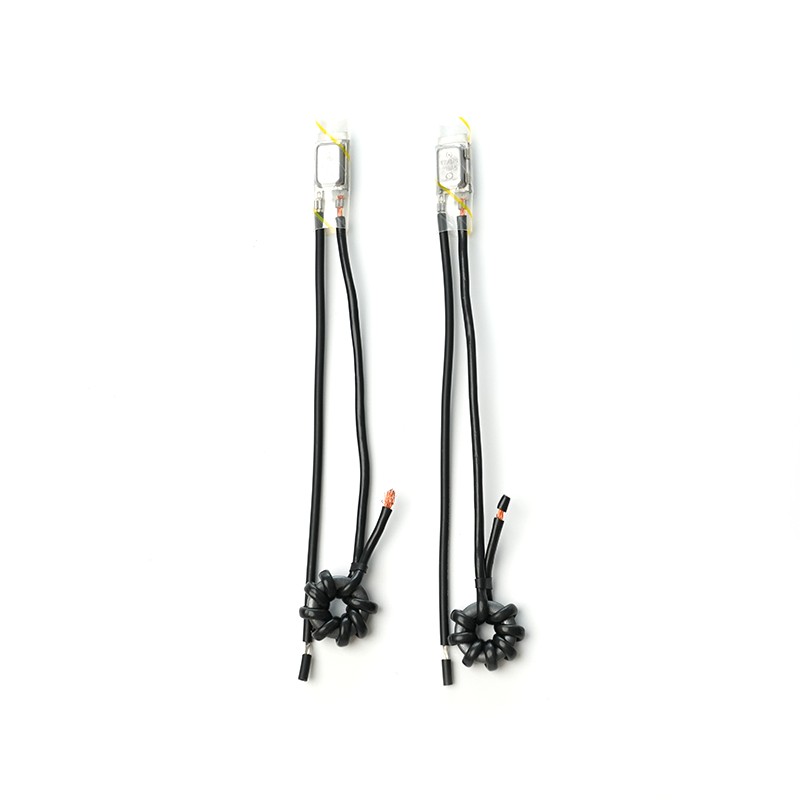
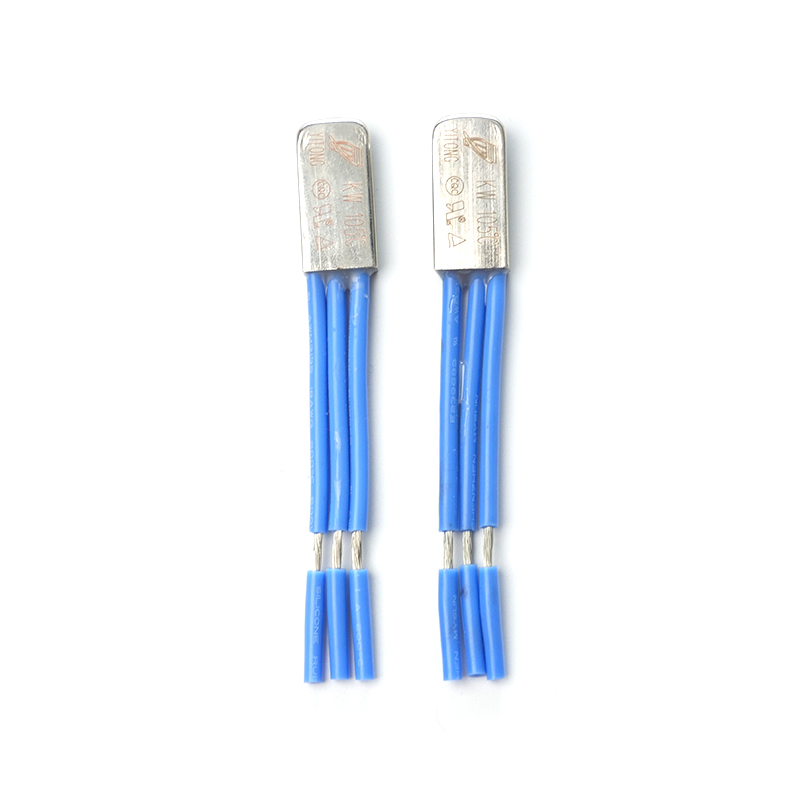



As China Thermal Protectors Manufacturers,Provide customers with high-quality and reliable protectors and electrical product safety protection solutions.
-
Tel:+86-515-88498139
-
Email:[email protected]
-
Phone:+86-13913681876
-
Add: Building C, No. 888 Huanhu West Second Road, Lingang New Area, China (Shanghai) Pilot Free Trade Zone
