

 English

How Does a Bimetal Thermostat Circuit Breaker Protect Your Electrical System?

What Is a Bimetal Thermostat Circuit Breaker?
A bimetal thermostat circuit breaker is an electromechanical protective device that combines thermal sensing with automatic circuit interruption. It uses a bimetallic strip — two metals with different coefficients of thermal expansion bonded together — to detect abnormal heat generated by overcurrent conditions. When current flowing through the circuit exceeds a preset threshold for a sufficient duration, the strip bends, triggering a mechanical trip mechanism that opens the circuit and stops current flow. Once the device cools, it can be reset manually or automatically, depending on the design.
Unlike fuses, which are single-use devices that must be replaced after operating, bimetal thermostat circuit breakers are resettable and reusable. This makes them a cost-effective and operationally practical solution for protecting motors, transformers, power supplies, household appliances, and industrial equipment from damage caused by sustained overloads or moderate short-circuit events. They are widely used in applications where nuisance tripping must be minimized while still ensuring reliable thermal protection.
The Physics Behind the Bimetallic Strip
The bimetallic strip is the heart of this type of circuit breaker. It consists of two metallic layers — typically brass and Invar (a nickel-iron alloy) or steel and copper alloys — permanently bonded along their entire length by rolling, welding, or riveting. The two metals are selected specifically because they expand at significantly different rates when heated. Brass, for example, has a coefficient of thermal expansion roughly twice that of Invar.
When current passes through the strip or when ambient temperature rises due to external heat sources, the two layers attempt to expand by different amounts. Because they are rigidly bonded, the strip cannot expand freely — instead, it curves toward the metal with the lower expansion rate. This deflection is predictable, repeatable, and proportional to the temperature change. Engineers use this property to design trip mechanisms that activate at precisely defined temperatures corresponding to specific overcurrent levels, calibrating the strip geometry, alloy selection, and contact force to achieve the required trip current and trip time characteristics.
How the Trip Mechanism Works Step by Step
Understanding the internal sequence of events during an overload helps engineers and technicians appreciate why bimetal thermostat circuit breakers behave the way they do under different fault conditions.
Normal Operating State
Under normal current conditions, the bimetallic strip remains in its neutral, straight position. The contacts are held closed by a spring-loaded latch mechanism, allowing current to flow uninterrupted through the circuit. The strip generates a small amount of heat due to its inherent resistance, but this heat is insufficient to cause meaningful deflection at rated current levels.
Overload Condition
When current exceeds the rated value — even moderately, such as 110% to 150% of rated current — the resistive heating of the bimetallic strip increases significantly. The strip begins to deflect gradually. The time required to trip is inversely related to the magnitude of the overload: a moderate overload causes slow deflection and a delayed trip, while a severe overload causes rapid heating and a faster trip. This inverse time characteristic is a fundamental advantage because it allows temporary inrush currents (such as motor startup surges) to pass without tripping while still protecting against sustained overloads.

Trip Event and Contact Separation
Once the bimetallic strip deflects sufficiently, it pushes against the trip latch or actuator. The latch releases the spring-loaded contact assembly, which snaps open rapidly under spring force. The speed of contact separation is critical — contacts that open too slowly arc severely, causing erosion and contact welding. The snap-action mechanism ensures the contacts open fast regardless of how slowly the strip bent, protecting contact integrity over thousands of operating cycles.
Reset After Cooling
After tripping, the bimetallic strip cools and returns to its original straight position. In manual reset designs, the operator must press a reset button that re-engages the latch and closes the contacts. In automatic reset designs, the contact re-closes on its own once the strip cools below the reset temperature threshold — typically 15°C to 30°C below the trip temperature. Automatic reset breakers are common in unattended equipment but require careful application to avoid repeated auto-cycling under a persistent fault condition.
Key Specifications and Electrical Ratings
Selecting the correct bimetal thermostat circuit breaker requires evaluating a set of electrical and thermal parameters. The table below summarizes the most critical specifications and what they mean in practice:
| Parameter | Typical Range | Significance |
| Rated Current (In) | 0.5A – 30A | Maximum continuous current without tripping |
| Voltage Rating | 12V DC – 250V AC | Maximum circuit voltage the breaker can safely interrupt |
| Trip Current | 110% – 200% of In | Current level at which the breaker is guaranteed to trip |
| Trip Time | Seconds to minutes | Inverse time characteristic based on overload magnitude |
| Interrupt Capacity | Up to 1000A (fault) | Maximum fault current the device can safely break |
| Ambient Temp Range | -25°C to +85°C | Operating temperature range affecting calibration accuracy |
Types of Bimetal Thermostat Circuit Breakers
Several design variants exist to meet the requirements of different applications. Understanding the distinctions between these types helps engineers specify the most appropriate device for their circuit protection needs.
Manual Reset Type
These breakers require an operator to physically press a reset button after a trip event. This design is preferred in applications where a human should verify the cause of the overload before restoring power — such as in motor control panels, laboratory instruments, and industrial machinery. The manual reset requirement prevents equipment from automatically restarting in a potentially unsafe state after a fault.
Automatic Reset Type
Automatic reset breakers re-close the contacts once the bimetallic strip cools to the reset temperature. They are used in unattended systems such as automotive accessories, HVAC controls, and remote monitoring equipment where continuous operation is prioritized. However, if the root cause of the overload persists, the breaker will cycle repeatedly between tripped and reset states — a condition known as thermal cycling — which can eventually damage contacts or the protected equipment if not addressed.
Push-to-Trip (Manual Trip) Type
Some bimetal circuit breakers include a manual trip button that allows the operator to intentionally open the circuit without an electrical fault being present. This feature is useful for isolating equipment during maintenance. These devices function as both a circuit breaker and a manual disconnect switch, reducing the total component count in a panel.
Thermal-Magnetic Type
More advanced versions incorporate both a bimetallic strip for overload protection and an electromagnetic trip coil for instantaneous short-circuit protection. The bimetal handles sustained overloads with its inverse time characteristic, while the magnetic element reacts within milliseconds to high fault currents. This dual-element design provides complete protection across the full range of fault conditions and is standard in most modern branch circuit breakers used in residential and commercial distribution panels.
Common Applications Across Industries
Bimetal thermostat circuit breakers are used in virtually every sector where electrical equipment must be protected from thermal damage. Their compact size, resettability, and reliable inverse time response make them particularly well suited for the following applications:
- Electric motors: Small fractional horsepower motors in pumps, fans, and compressors are highly susceptible to winding damage from prolonged overloads. Bimetal breakers matched to the motor's full load current provide reliable overload protection without nuisance tripping during startup.
- Automotive and marine electrical systems: Vehicle accessory circuits, battery chargers, and marine panel boards use bimetal breakers as resettable alternatives to fuses, allowing crews to restore power at sea without spare fuses on hand.
- Household appliances: Coffee makers, hair dryers, electric blankets, and power tools often incorporate small bimetal thermostat breakers internally to protect the heating element or motor from damage caused by mechanical jamming or electrical overload.
- Power supplies and chargers: DC power supplies use bimetal breakers to protect output circuits from short circuits or excessive load current that would otherwise overheat transformers or burn PCB traces.
- Industrial control panels: Control circuit breakers protect PLC input/output modules, relay coil circuits, and signal wiring from faults that could disable an entire control system.
- Telecommunications equipment: DC-powered telecom racks use bimetal breakers on individual equipment feeds to provide selective fault isolation, preventing a single fault from taking down an entire equipment bay.
How Ambient Temperature Affects Performance
Because the bimetallic strip responds to heat regardless of its source, ambient temperature has a direct influence on the trip current of a bimetal thermostat circuit breaker. A breaker calibrated to trip at 10A at 25°C will trip at a lower current if the surrounding air temperature is 50°C, because the strip starts at a higher baseline temperature and requires less resistive self-heating to reach the trip point. Conversely, in cold environments, the effective trip current increases because the strip must generate more heat to overcome the thermal deficit.
This temperature sensitivity is expressed as a derating curve in the manufacturer's datasheet, showing how the rated current must be reduced as ambient temperature increases. Engineers must apply these derating factors when specifying breakers for enclosures with poor ventilation, hot climates, or equipment mounted near heat-generating components. Failure to derate correctly results in nuisance tripping at normal operating currents or, in the case of underestimating heat, inadequate protection at elevated temperatures.
Selecting the Right Bimetal Thermostat Circuit Breaker
Proper breaker selection requires systematic evaluation of the protected equipment's electrical characteristics and the installation environment. Working through the following checklist ensures the selected device provides reliable protection without operational disruption:
- Determine full load current: Identify the maximum continuous current drawn by the protected load under worst-case operating conditions. Select a breaker rated at or slightly above this value to prevent nuisance tripping during normal operation.
- Account for inrush current: Motors and transformers draw significantly higher current during startup. Choose a breaker with a trip time curve that allows the inrush transient to pass — typically 6 to 10 times full load current for 50 to 200 milliseconds — without tripping.
- Verify voltage and interrupt rating: The breaker's voltage rating must equal or exceed the circuit voltage. The interrupt capacity must exceed the available fault current at the point of installation to ensure safe arc interruption.
- Apply ambient temperature derating: If the installation temperature exceeds 25°C, apply the manufacturer's derating curve and select a higher-rated breaker to compensate for the reduced effective trip current at elevated temperatures.
- Choose manual or automatic reset: Select manual reset for attended equipment where safety requires human verification before restart. Choose automatic reset for unattended systems where self-recovery is acceptable and persistent fault conditions are unlikely.
- Confirm mounting and certification requirements: Check whether the application requires panel-mount, PCB-mount, or inline configurations, and verify that the breaker carries the necessary safety certifications (UL, CE, VDE, CCC) for the target market.
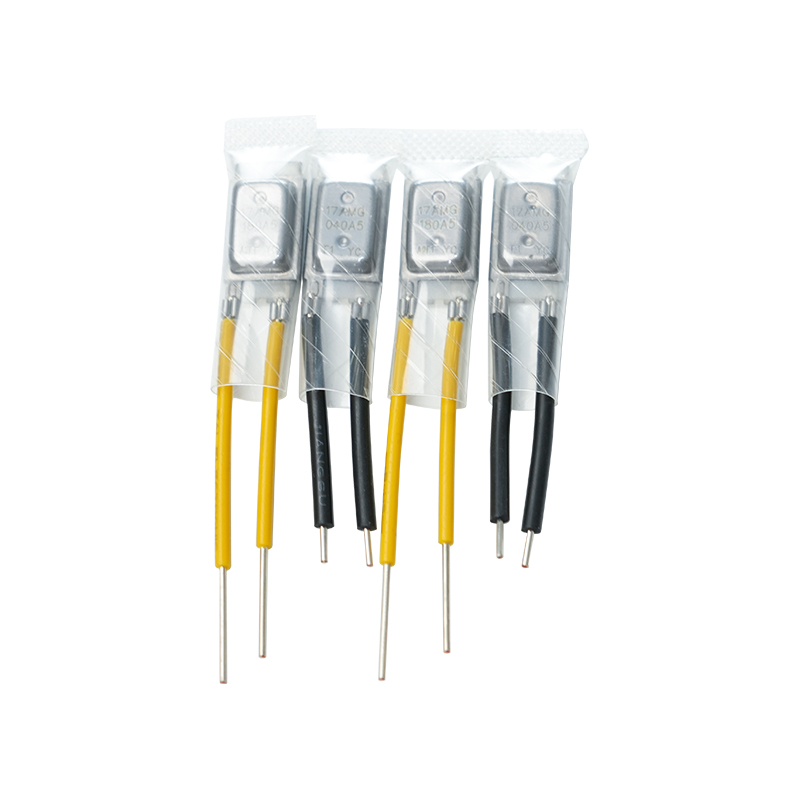
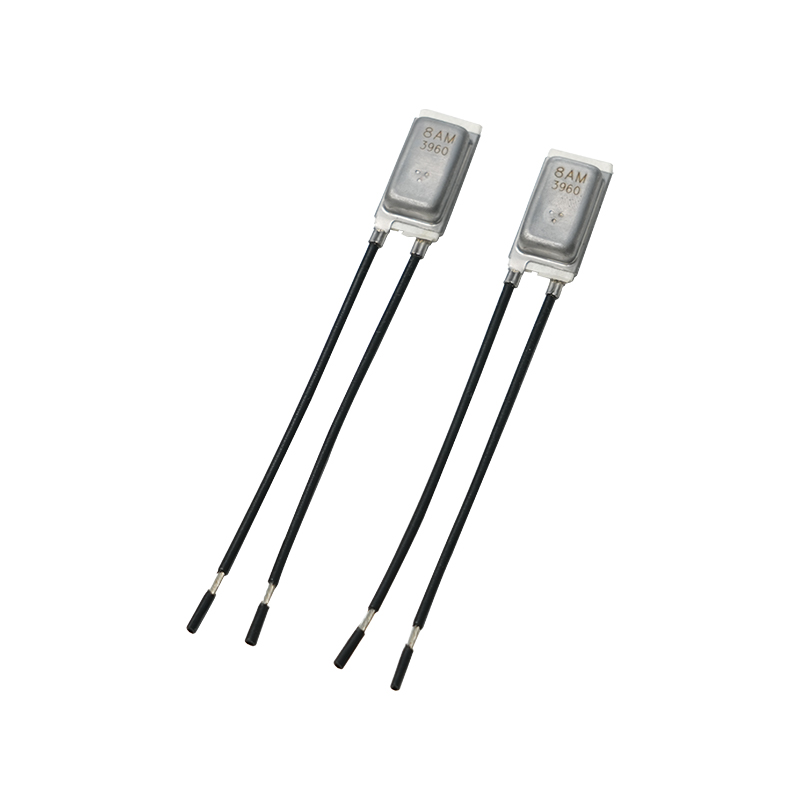
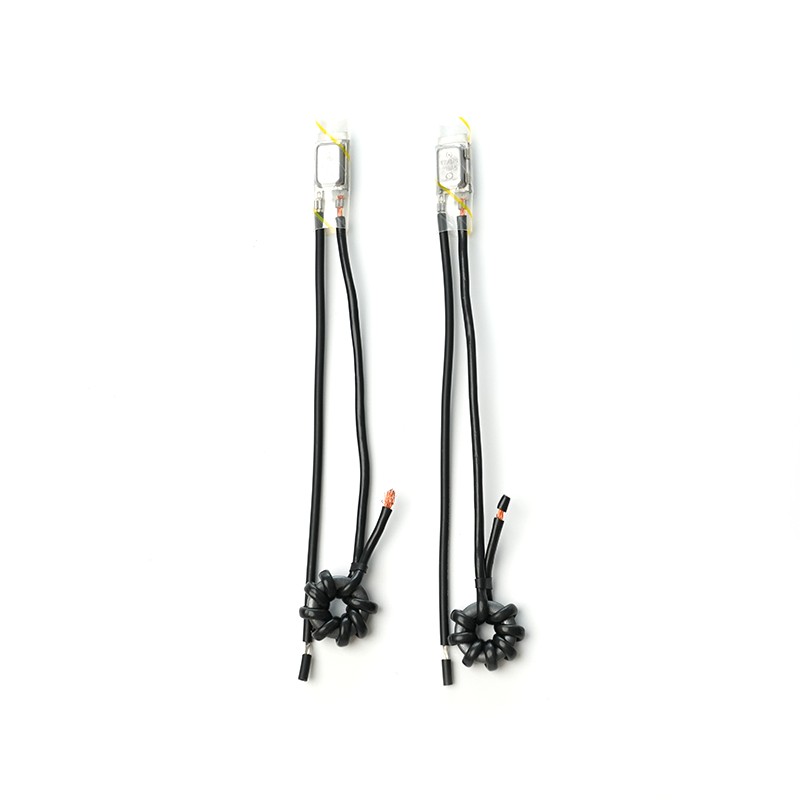
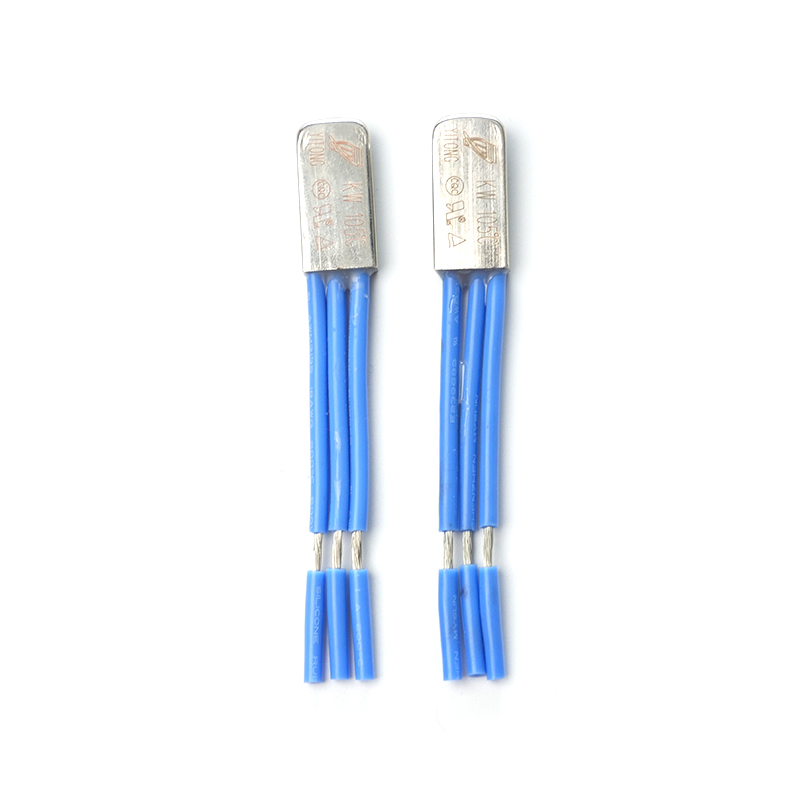



As China Thermal Protectors Manufacturers,Provide customers with high-quality and reliable protectors and electrical product safety protection solutions.
-
Tel:+86-515-88498139
-
Email:[email protected]
-
Phone:+86-13913681876
-
Add: Building C, No. 888 Huanhu West Second Road, Lingang New Area, China (Shanghai) Pilot Free Trade Zone
