

 English

What Does an AC Thermal Protector Do and Why Does It Matter?

What Is an AC Thermal Protector?
An AC thermal protector is a safety device built into air conditioning units — typically embedded within the compressor or motor winding — designed to shut down the system automatically when internal temperatures exceed a safe threshold. Unlike a fuse that breaks permanently, most thermal protectors are self-resetting or manually resettable, meaning they restore operation once the component cools to a safe level. This makes them both a protective and a diagnostic component: repeated tripping is a warning sign that something else in the system needs attention.
Thermal protectors are found in virtually every type of AC unit, from small window air conditioners and split systems to large central air conditioning compressors. They are sometimes called thermal cutouts, motor protectors, or overload protectors, though each term can carry slightly different technical meanings depending on the manufacturer and application.
How Does an AC Thermal Protector Work?
The core operating principle relies on a bimetallic disc or strip — two metals bonded together that expand at different rates when heated. As the temperature inside the motor or compressor rises, this disc bends. Once it reaches the trip temperature, the disc snaps open, breaking the electrical circuit and cutting power to the motor. When the unit cools down, the disc snaps back into position and the circuit closes again, allowing the system to restart.
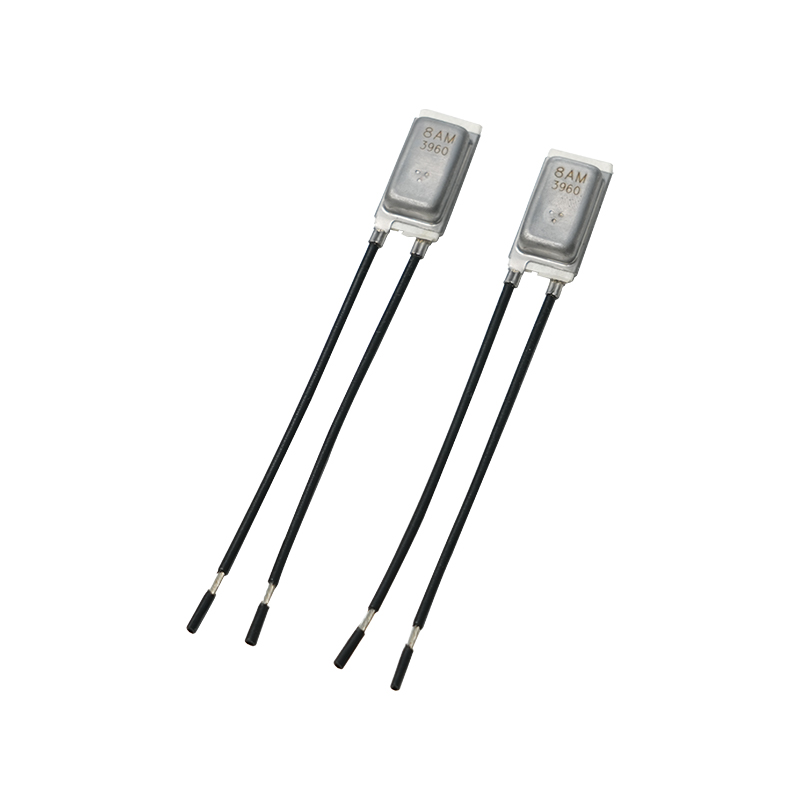
Some modern thermal protectors incorporate a positive temperature coefficient (PTC) thermistor instead of a bimetallic element. PTC devices dramatically increase their electrical resistance as temperature rises, effectively choking current flow rather than breaking the circuit entirely. These are common in smaller fan motors and auxiliary components rather than in high-load compressors.
Thermal protectors also respond to current overloads, not just heat. When a motor draws more current than rated — due to a seized bearing, low voltage, or refrigerant pressure issues — the increased current generates heat in the protector's heater coil, which trips the bimetallic disc even if the ambient temperature is normal. This dual-response capability makes them effective guards against both thermal and electrical faults.
Common Reasons an AC Thermal Protector Trips
Understanding why a thermal protector trips is essential before replacing it. In most cases, the protector is doing its job correctly — the real fault lies elsewhere. Common causes include:
- Dirty or blocked air filters: Restricted airflow forces the compressor and fan motors to work harder, raising operating temperatures significantly.
- Low refrigerant charge: Insufficient refrigerant reduces the cooling effect on the compressor, causing it to overheat during normal operation.
- Condenser coil fouling: Dirt, debris, or vegetation blocking the outdoor condenser prevents proper heat rejection, driving up compressor head temperatures.
- Failed start or run capacitor: Capacitors help motors reach operating speed. A weak or failed capacitor causes the motor to draw excessive current during startup, tripping the thermal protector.
- Electrical supply issues: Low voltage, voltage imbalance, or single-phasing on three-phase systems force motors to draw higher current to maintain torque output.
- Worn motor bearings: Increased mechanical friction from deteriorating bearings raises both current draw and heat generation simultaneously.
If the thermal protector trips repeatedly after resetting, always investigate these root causes before concluding that the protector itself is faulty. Replacing the protector without fixing the underlying issue will simply result in the new protector tripping again — or worse, allowing permanent damage if the replacement has a higher trip threshold.
How to Test an AC Thermal Protector
Testing a thermal protector requires a digital multimeter set to resistance (ohms) mode. Before testing, always disconnect power to the unit completely and discharge any capacitors to avoid electric shock.
Step-by-Step Testing Procedure
- Allow the compressor or motor to cool to room temperature — a tripped protector will show an open circuit even if it is functional.
- Locate the thermal protector terminals. On compressors, the protector is typically wired in series with the common terminal.
- Place the multimeter probes across the two terminals of the protector.
- A good thermal protector at room temperature reads near zero ohms (closed circuit). An open reading (OL or infinite resistance) at room temperature indicates a failed protector.
- Apply gentle heat with a heat gun or warm water (on removable protectors) — a functional bimetallic protector should trip open as temperature rises, then reset as it cools.
If the protector reads open at room temperature and does not reset after cooling for 30 minutes or more, it has likely failed in the open position and must be replaced. A protector that reads closed but the system still does not run suggests the fault lies in the motor windings or another component, not the protector.
Key Specifications When Selecting a Replacement
Not all thermal protectors are interchangeable. Selecting the wrong replacement can result in inadequate protection, nuisance tripping, or permanent motor damage. The following specifications must be matched to the original component:
| Specification | What It Means | Why It Matters |
| Trip Temperature (°C) | Temperature at which the device opens the circuit | Too low causes nuisance trips; too high allows motor damage |
| Current Rating (Amps) | Maximum continuous current the protector handles | Undersized ratings lead to premature failure |
| Voltage Rating (VAC) | Maximum operating voltage | Must meet or exceed system voltage for safe operation |
| Reset Type | Automatic, manual, or one-shot (non-resettable) | Must match original design intent of the system |
| Mounting Style | External clip-on, embedded, or stud-mounted | Affects thermal contact quality and installation compatibility |
Always source replacements from the original equipment manufacturer (OEM) or a reputable aftermarket supplier that provides verified cross-reference data. Generic protectors sold only by physical dimensions without confirmed electrical and thermal ratings present a real safety risk in high-load compressor applications.
Maintenance Practices That Extend Thermal Protector Life
While thermal protectors are designed to be long-lasting passive components, the operating conditions of the broader AC system directly influence how often they cycle and how long they last. Proactive maintenance reduces unnecessary stress on the protector and the motor it guards.
Seasonal and Routine Tasks
- Clean or replace air filters monthly during peak cooling season to maintain unrestricted airflow through the evaporator.
- Clear the outdoor condenser unit of leaves, grass clippings, and debris before each cooling season and after storms.
- Check capacitor health annually with a capacitor tester — capacitors degrade over time and a weak capacitor is one of the leading causes of thermal protector trips.
- Verify supply voltage at the unit at the start of each season, particularly in areas with aging electrical infrastructure or long service runs from the panel.
- Inspect electrical connections for corrosion and looseness — high-resistance connections generate heat and contribute to elevated current draw.
Scheduling a professional tune-up every one to two years allows a technician to check refrigerant charge, measure motor amperage against nameplate ratings, and identify developing issues before they result in thermal protector failures or compressor replacement.
When the Thermal Protector Is the Last Line of Defense
In a well-maintained AC system, the thermal protector should rarely if ever trip during normal operation. Its role is to prevent catastrophic failure when something unexpected happens — a sudden refrigerant leak mid-season, a power surge that damages a run capacitor, or a condenser fan motor seizing without warning. In these situations, the thermal protector is what stands between a manageable repair and a burned-out compressor costing several times more to replace.
This perspective reframes how technicians and homeowners should think about a tripped thermal protector. Rather than being an inconvenient fault, it represents a successful intervention. The appropriate response is always to find out what caused the trip, correct that condition, and then allow the system to reset and resume operation — not to bypass or disable the protector to restore cooling quickly. Bypassing a thermal protector eliminates the system's primary defense against motor burnout and creates a serious fire hazard.
Understanding the AC thermal protector at this level — how it works, what causes it to trip, how to test it accurately, and what to specify when replacing it — gives technicians and informed owners the knowledge to make smart decisions, protect expensive equipment, and keep air conditioning systems running safely through years of demanding service.
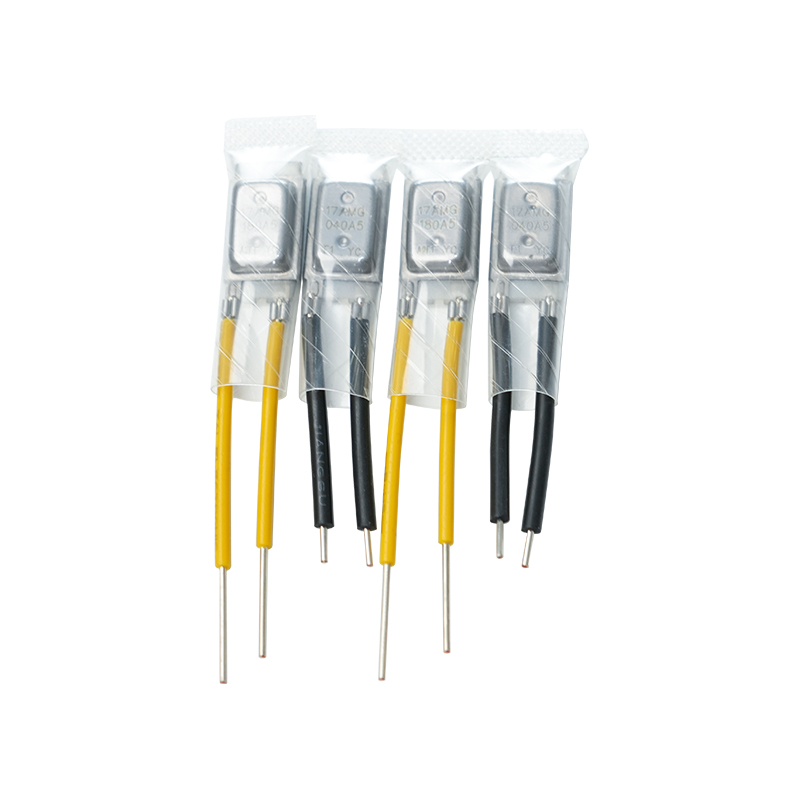

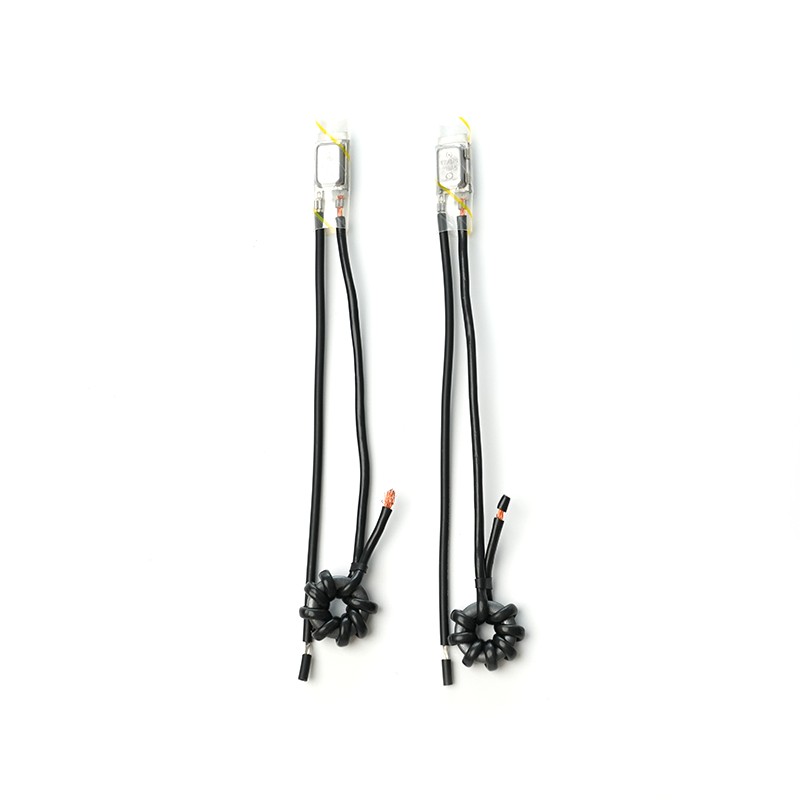
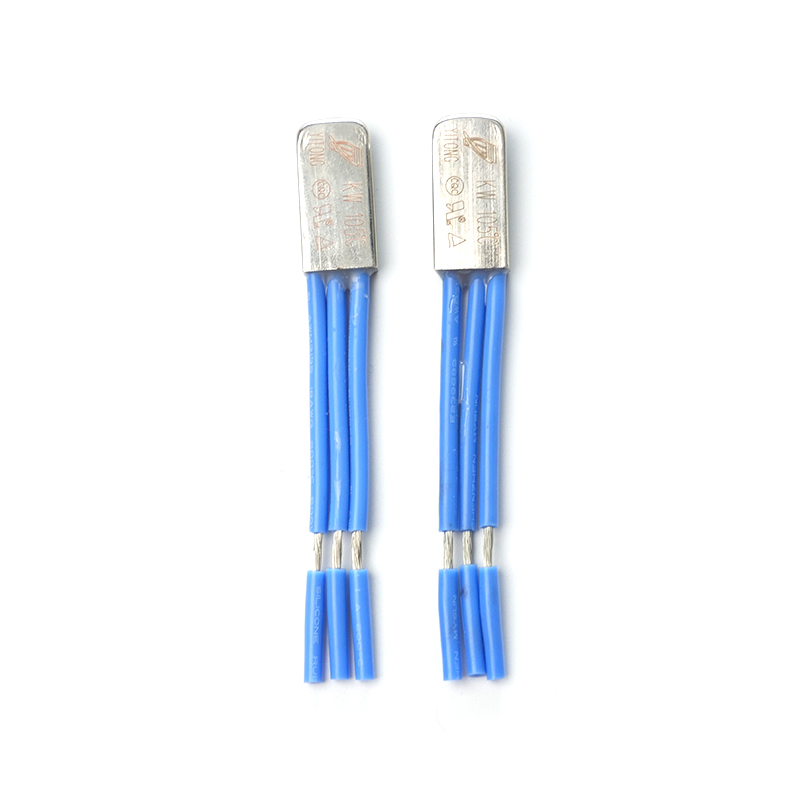



As China Thermal Protectors Manufacturers,Provide customers with high-quality and reliable protectors and electrical product safety protection solutions.
-
Tel:+86-515-88498139
-
Email:[email protected]
-
Phone:+86-13913681876
-
Add: Building C, No. 888 Huanhu West Second Road, Lingang New Area, China (Shanghai) Pilot Free Trade Zone
