

 English

How Does a Bimetal Thermostat Circuit Breaker Work and How Do You Choose the Right One?

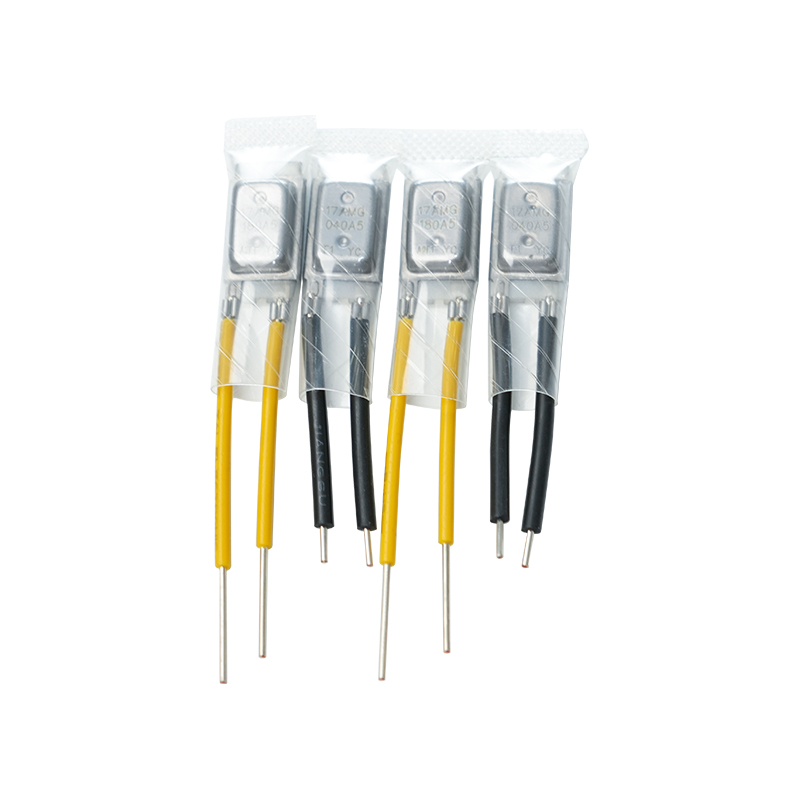
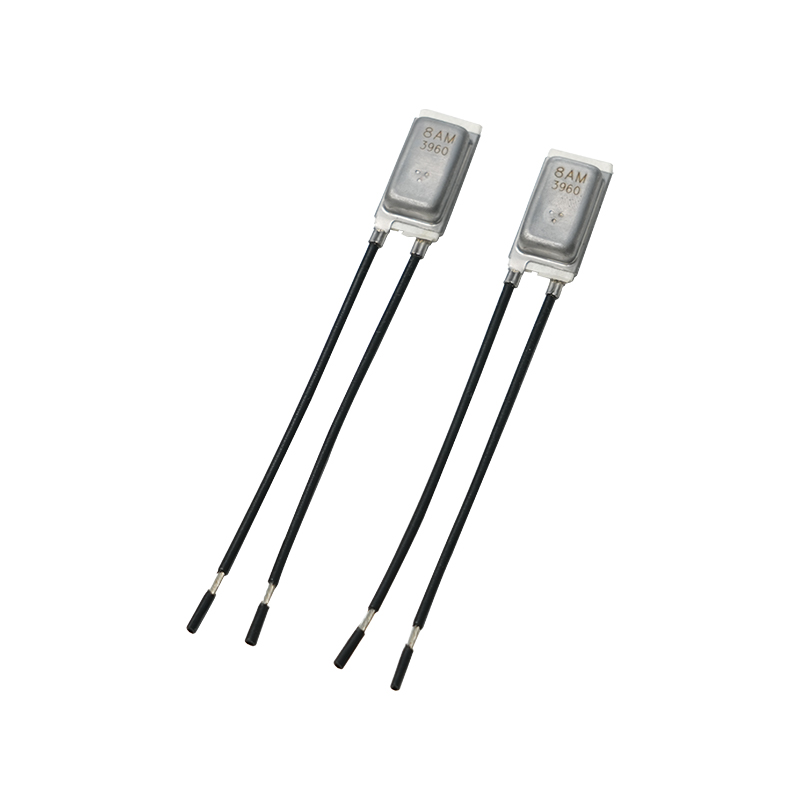
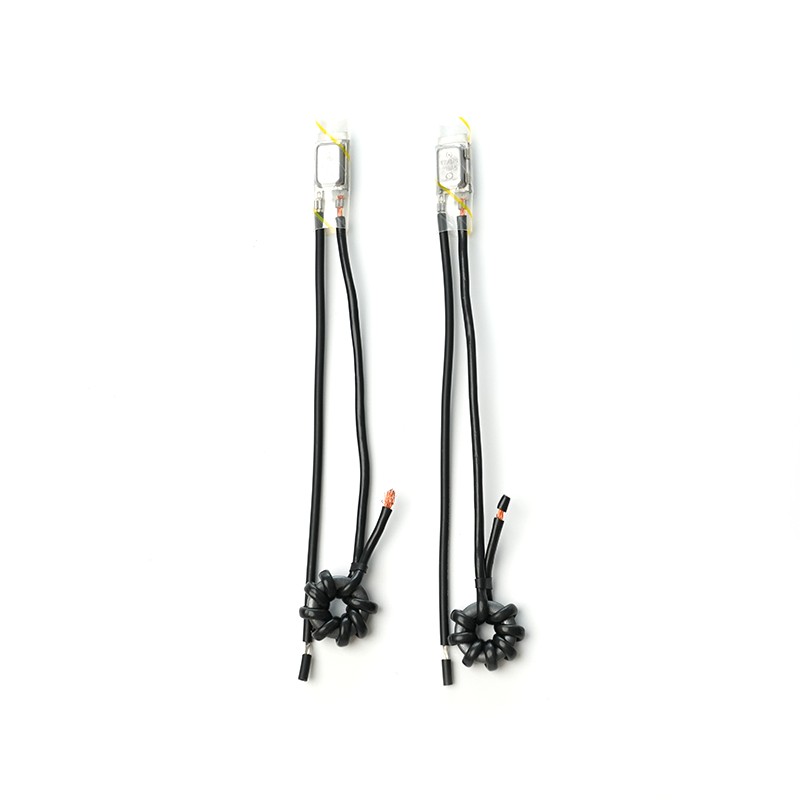
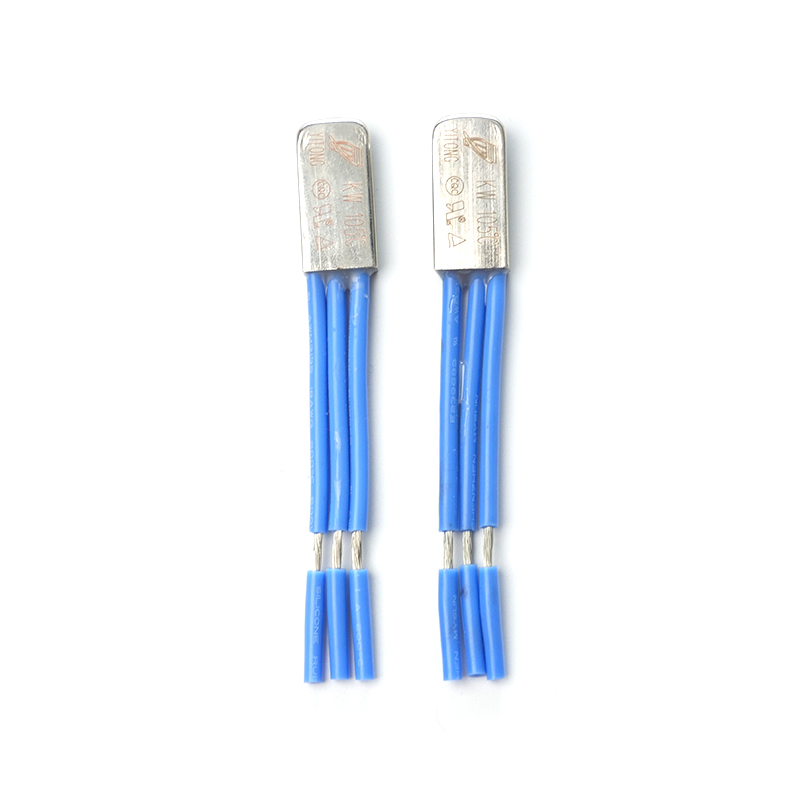
The bimetal thermostat circuit breaker is one of the most elegantly simple and practically reliable overcurrent protection devices in electrical engineering. By combining the temperature-sensing function of a bimetallic element with the circuit interruption function of a mechanical switch in a single compact component, it provides automatic protection against sustained overcurrent conditions — the type of overload that damages motors, wiring, and electrical appliances through gradual thermal accumulation rather than instantaneous short-circuit faults. Understanding precisely how this device works, what distinguishes different types and ratings from one another, and how to match the correct specification to a specific application is fundamental knowledge for electrical engineers, product designers, appliance manufacturers, and maintenance professionals who encounter these devices across a wide range of industrial, commercial, and consumer equipment.
The Bimetallic Element: The Physics Behind the Protection
The operating principle of a bimetal thermostat circuit breaker is rooted in a straightforward but highly reliable physical phenomenon: when two metals with significantly different coefficients of thermal expansion are bonded together along their length, the composite strip bends when heated because the higher-expansion metal elongates more than the lower-expansion metal, forcing the bonded assembly to curve toward the lower-expansion side. This bending motion — directly proportional to the temperature rise of the strip — is the mechanism that actuates the circuit breaker's trip mechanism.
In a bimetal thermostat circuit breaker, the bimetallic strip serves simultaneously as the current-carrying conductor and the temperature sensor. When current flows through the strip, the electrical resistance of the metal generates heat — a phenomenon described by Joule's law (P = I²R). Under normal operating current, the heat generated is insufficient to cause significant bending, and the strip remains in its natural position with the circuit contacts closed. When current exceeds the rated value for a sustained period — as occurs during a motor overload, a partially shorted winding, or an undersized conductor condition — the accumulated heat causes the strip to bend progressively toward its trip position. When the deflection reaches the point designed into the mechanism, the strip actuates a snap-action contact mechanism that opens the circuit, interrupting current flow and protecting the connected equipment from thermal damage.

The thermal mass of the bimetallic element — its ability to absorb heat before reaching the trip temperature — is deliberately designed to give the device an inverse time-current characteristic: at moderate overloads (for example, 125% of rated current), the device takes minutes to trip, allowing brief overloads such as motor starting inrush to pass without nuisance tripping; at severe overloads (200% or more of rated current), the device trips in seconds, providing more urgent protection proportional to the severity of the overload. This inverse time behavior is the defining characteristic of thermal overload protection and is what distinguishes bimetal thermostat circuit breakers from purely instantaneous magnetic circuit breakers that trip only on high-magnitude short-circuit faults.
Construction of a Bimetal Thermostat Circuit Breaker
While bimetal thermostat circuit breakers vary considerably in size, current rating, and contact configuration, the major functional components are consistent across the product category and understanding them clarifies both how the device works and which components are most subject to wear and failure over the device's service life.
Bimetallic Strip Assembly
The bimetallic strip is typically manufactured by roll bonding or cladding two alloy strips — the high-expansion layer commonly using a nickel-manganese or nickel-chromium alloy, and the low-expansion layer commonly using an iron-nickel alloy such as Invar (36% nickel, 64% iron, with a very low thermal expansion coefficient). The bonded composite is then formed, punched, or machined into the specific shape required for the circuit breaker's trip mechanism geometry. The strip's dimensions — thickness, width, and free length between the fixed mounting point and the contact actuation point — determine the trip temperature at a given current level. Thicker, wider strips have higher thermal mass and trip more slowly at a given overload; longer strips produce greater deflection per degree of temperature rise, potentially allowing more precise trip point calibration.
Contact System
The electrical contacts that open when the bimetallic strip trips must withstand repeated make-and-break operations under load without excessive contact erosion, welding, or increased contact resistance that would cause nuisance tripping or failure to interrupt. For bimetal thermostat circuit breakers in low to medium current applications (up to approximately 30 amperes), silver alloy contacts — most commonly silver cadmium oxide or the more environmentally preferred silver tin oxide — provide the combination of low contact resistance, arc erosion resistance, and resistance to contact welding that sustained service life requires. The contact geometry — typically a moving contact arm spring-loaded against a fixed contact — creates a wiping action during opening that clears oxidation films and maintains consistent contact resistance over thousands of operation cycles.
Reset Mechanism
After the bimetal thermostat circuit breaker trips, the circuit remains open until the bimetallic strip cools sufficiently to return to its undeflected position and the contacts can be reclosed — either automatically or through manual intervention depending on the device's reset type. Manual reset devices require the operator to physically press a reset button or toggle after the strip has cooled, providing a deliberate interruption that prompts investigation of the overload cause before power restoration. Automatic reset devices reclose the contacts as the strip cools without operator intervention — useful in applications such as motor protection where automatic restart after a thermal shutdown is operationally desirable, but potentially hazardous in applications where automatic restart of equipment after an overload trip could cause injury or equipment damage if the overload condition persists.
Key Specifications and What They Mean
Selecting a bimetal thermostat circuit breaker for a specific application requires evaluating a set of specifications that collectively define the device's electrical capability, thermal characteristics, and physical compatibility with the application's requirements. The following table summarizes the most important parameters.
| Specification | Typical Range | What It Determines |
| Rated Current (In) | 0.5 – 30 A (typical) | Maximum continuous current without tripping |
| Rated Voltage (Ue) | 12 – 480 V AC/DC | Maximum circuit voltage the contacts can safely interrupt |
| Trip Current Threshold | 110% – 150% of In | Minimum overload level that will cause eventual trip |
| Interrupt Capacity (Icu) | 50 – 10,000 A | Maximum fault current the device can safely interrupt |
| Ambient Temperature Range | -25°C to +85°C | Operating environment limits; affects trip calibration |
| Reset Type | Manual / Automatic | Whether operator intervention is required after trip |
| Pole Configuration | 1-pole, 2-pole, 3-pole | Number of circuit conductors protected |
| Mechanical Life | 1,000 – 10,000 operations | Number of trip-reset cycles before replacement needed |
The interrupt capacity specification deserves particular attention. Bimetal thermostat circuit breakers are thermal protection devices optimized for overload conditions, not for high-magnitude short-circuit fault interruption. Their interrupt capacity — the maximum fault current at which the contacts can safely open without contact welding, explosive arcing, or device destruction — is substantially lower than that of molded case circuit breakers (MCCBs) designed for short-circuit protection. In systems with high available fault current, a bimetal thermostat circuit breaker must be installed in series with a upstream current-limiting fuse or MCCB rated for the full available fault current, so that the upstream protective device clears high-magnitude faults before the bimetal device is required to interrupt them. Failing to account for the interrupt capacity limitation of bimetal thermostat circuit breakers in high fault-current systems is a serious safety and compliance error.
Ambient Temperature Compensation and Its Importance
Because the bimetallic strip's trip behavior is thermally driven, ambient temperature directly affects the device's trip characteristics. A device calibrated to trip at a specific current level at 25°C ambient will trip at a lower current in a hot environment (40°C or above) because the additional ambient heat pre-heats the strip, reducing the additional temperature rise required to reach the trip point. Conversely, in a cold environment (below 10°C), the same device requires higher current to generate sufficient Joule heating to overcome the greater temperature differential between the strip and the trip threshold. This ambient temperature sensitivity is a fundamental characteristic of bimetal thermostat circuit breakers, not a defect, but it must be accounted for in application engineering to ensure the device provides appropriate protection across the full range of ambient temperatures the application will experience.
Manufacturers publish derating curves for their bimetal thermostat circuit breakers showing how the effective trip current varies with ambient temperature — typically expressed as a percentage of the rated trip current at each temperature. For example, a device rated at 10 A at 25°C might have an effective trip current of 9.2 A at 40°C and 11.1 A at 10°C. Applications where the device will be installed inside a sealed enclosure — where the internal ambient temperature significantly exceeds external ambient due to heat from other components — must apply this derating based on the internal enclosure temperature, not the external ambient. Neglecting enclosure temperature rise is a common error that results in devices tripping at currents below the rated continuous load current of the connected equipment, causing repeated nuisance trips during normal operation.
Common Applications of Bimetal Thermostat Circuit Breakers
Bimetal thermostat circuit breakers are deployed across an exceptionally wide range of electrical equipment categories, typically as the primary overcurrent protection device for individual circuits or as the motor overload protection element within larger motor control assemblies. Their combination of self-contained operation (no external power required for the protection function), compact size, and reliable thermal response makes them particularly suitable for applications where simplicity, reliability, and low cost are priorities alongside adequate protection performance.
- Small motor protection: Fractional horsepower motors in household appliances, power tools, HVAC fan motors, and small pumps are among the most common applications for bimetal thermostat circuit breakers. The device protects the motor windings from thermal damage during stalled rotor conditions (where the motor draws locked-rotor current — typically 5 to 8 times rated current — continuously without rotating) and during sustained mechanical overloads that cause the motor to draw above-rated current indefinitely.
- Consumer electronics and IT equipment: Power supply units in computers, telecommunications equipment, audio amplifiers, and consumer electronics use bimetal thermostat circuit breakers — typically accessible from the equipment rear panel as a push-button reset — to protect against secondary circuit overloads that exceed the primary input fuse current level. The manual reset function in these applications requires the user to identify and correct the overload condition before power can be restored.
- Marine and automotive electrical systems: The vibration resistance, self-resetting capability (in automatic reset variants), and compact size of bimetal thermostat circuit breakers make them widely used for branch circuit protection in marine electrical systems, recreational vehicles, and automotive accessory circuits where conventional fuses would require frequent replacement in high-cycle applications and where automatic recovery after a transient overload is operationally convenient.
- Heating element protection: Electric heating elements in water heaters, space heaters, industrial process heaters, and laboratory ovens use bimetal thermostat circuit breakers — sometimes in combination with separate thermostatic temperature controllers — to provide backup overtemperature protection that interrupts the heating circuit if the primary temperature control fails and allows the heater to exceed safe operating limits.
- Lighting and ballast circuits: Fluorescent and HID lighting ballasts, LED driver assemblies, and transformer-fed lighting circuits use bimetal thermostat circuit breakers for overload protection of the ballast or transformer windings against sustained overloads from lamp failures, wiring faults, or misapplied lamp types that draw excessive current from the ballast output.
Bimetal Thermostat Circuit Breaker vs. Related Devices
Understanding how bimetal thermostat circuit breakers relate to other common protective devices clarifies when each is the appropriate choice and prevents common misapplication errors.
| Device Type | Protection Mechanism | Resettable | Best Application |
| Bimetal Thermostat Circuit Breaker | Thermal (inverse time-current) | Yes (manual or auto) | Sustained overload protection; motor overload |
| Cartridge / Blade Fuse | Thermal (fusible element melts) | No (replace after operation) | Short-circuit and high-magnitude overload |
| Magnetic Circuit Breaker | Electromagnetic (instantaneous) | Yes (manual reset) | Short-circuit protection; fast-trip applications |
| Thermal-Magnetic MCCB | Combined thermal + magnetic | Yes (manual reset) | Both overload and short-circuit; higher currents |
| PTC Thermistor (Resettable Fuse) | Resistance increase limits current | Yes (automatic on cooling) | PCB-level protection; very low currents |
Common Failure Modes and Troubleshooting
Understanding the failure modes of bimetal thermostat circuit breakers helps in both troubleshooting existing installations and selecting devices with adequate service life for new applications. While these devices are generally very reliable, specific failure patterns emerge with predictable regularity in misapplied or aged installations.
- Nuisance tripping at normal load: The most common complaint. Usually caused by: device ambient temperature higher than the calibration temperature due to enclosure heat buildup; current rating selected too close to the actual load current without adequate margin; or device aging — after thousands of trip-reset cycles, the bimetallic strip may develop residual curvature that shifts the effective trip threshold downward. Corrective action: verify enclosure ambient temperature, confirm actual load current, and replace aged devices showing calibration drift.
- Failure to trip under genuine overload: Occurs when contact welding from a previous high-fault-current interruption prevents the contacts from opening despite correct bimetallic strip actuation, or when the bimetallic strip has been permanently deformed (set) by sustained extreme overtemperature, shifting the trip threshold upward. In either case, the device has failed in a dangerous direction — it no longer provides the protection it was specified for — and must be replaced immediately.
- Failure to reset after cooling: Indicates mechanical damage to the reset mechanism, contact welding preventing contact separation even when the bimetallic strip has returned to its undeflected position, or permanent deformation of the bimetallic strip due to extreme overtemperature that has curved the strip beyond its elastic limit into a permanent trip-position set. Replace the device — a circuit breaker that cannot be reset provides no protection and no circuit continuity.
- Increased contact resistance causing heating at rated current: Progressive contact erosion from repeated arcing on opening — particularly in high-cycle applications with frequent thermal trips — increases contact resistance, causing the contacts themselves to become a heat source at normal operating currents. This can produce a self-reinforcing heating cycle where contact heating causes additional nuisance tripping independent of load current. Detectable by measuring voltage drop across closed contacts; replace device if contact drop exceeds manufacturer's maximum specification.
Practical Selection Checklist
Bringing together the technical parameters into a structured selection process prevents the most common specification errors and ensures the selected bimetal thermostat circuit breaker delivers appropriate protection throughout the application's full operating range.
- Establish the maximum continuous operating current: Measure or calculate the actual load current at maximum operating conditions — not the theoretical connected load. Motor loads draw significantly higher inrush current during starting; verify that the selected device's time-current curve allows this inrush without tripping while still providing protection at the motor's locked-rotor current level.
- Select current rating with appropriate margin: The device's rated continuous current should be at least 125% of the maximum continuous load current to prevent operation near the trip threshold under normal conditions. For motor applications, follow the applicable electrical code's motor overload protection sizing requirements, which specify the maximum allowable trip current as a percentage of motor full-load ampere rating.
- Verify interrupt capacity against available fault current: Calculate or obtain from the utility or system study the maximum available short-circuit current at the installation point. If this exceeds the bimetal thermostat circuit breaker's rated interrupt capacity, provide a series upstream protective device with adequate interrupt rating before specifying the bimetal device for branch protection.
- Apply ambient temperature derating: Identify the worst-case ambient temperature at the device's installation location — including the temperature rise contribution from other heat-generating equipment in the same enclosure — and apply the manufacturer's derating factor to confirm the effective trip current remains appropriate for the load at that temperature.
- Select reset type appropriate for the application: Choose manual reset for applications where operator awareness of the trip event and deliberate intervention before restart is important for safety or process control; choose automatic reset for applications where unattended automatic recovery is safe and operationally desirable, confirming that automatic restart of the connected equipment after a thermal shutdown does not create a hazard to personnel or the process.
The bimetal thermostat circuit breaker remains, after more than a century of development and refinement, one of the most cost-effective and reliable thermal protection solutions in electrical engineering — precisely because its protection function derives from fundamental physics rather than complex electronics, requiring no external power, no control signal, and no programming to deliver consistent, calibrated overload protection throughout its service life. Applied correctly, with specifications matched to the load characteristics, ambient environment, fault current availability, and reset requirements of the application, it provides robust protection that is difficult to surpass at its price point in the small to medium current protection segment.



As China Thermal Protectors Manufacturers,Provide customers with high-quality and reliable protectors and electrical product safety protection solutions.
-
Tel:+86-515-88498139
-
Email:[email protected]
-
Phone:+86-13913681876
-
Add: Building C, No. 888 Huanhu West Second Road, Lingang New Area, China (Shanghai) Pilot Free Trade Zone
