

 English

What Does a Motor Thermal Protector Do and How Does It Work?

Electric motors are workhorses found in everything from household appliances and HVAC systems to industrial compressors and pump stations. Despite their reliability, motors are vulnerable to one particularly destructive condition: overheating. Excessive temperature degrades winding insulation, accelerates bearing failure, and in severe cases causes permanent motor burnout. The motor thermal protector is the dedicated safety device engineered to detect dangerous temperature rises inside the motor and interrupt the circuit before irreversible damage occurs. Understanding how thermal protectors work, which type suits your application, and how to install and test them correctly is essential knowledge for engineers, maintenance technicians, and equipment designers alike.
What Is a Motor Thermal Protector?
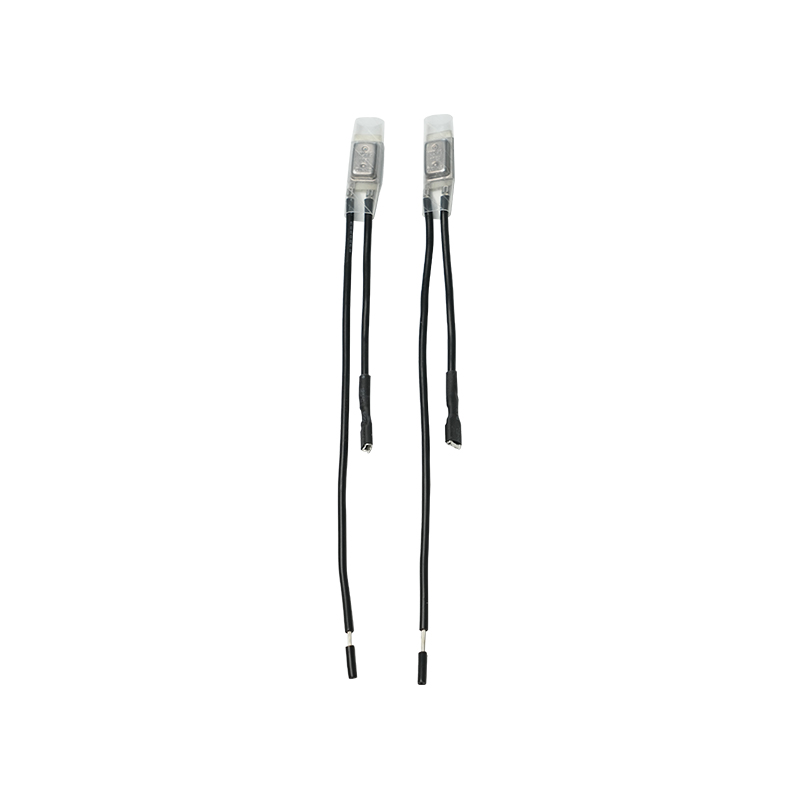
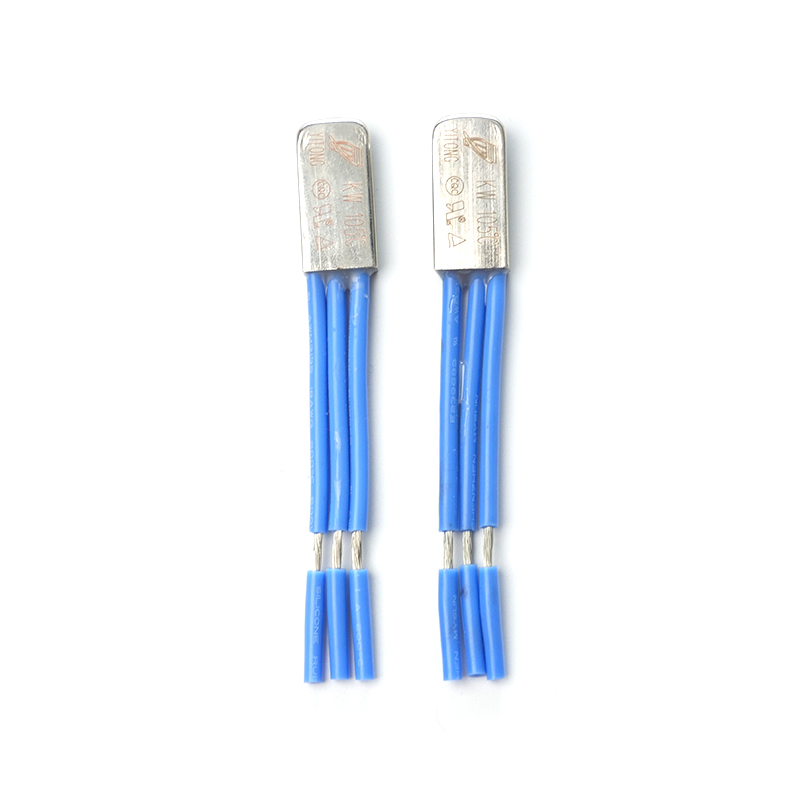
A motor thermal protector is a temperature-sensitive switching device embedded within or mounted on a motor winding to monitor operating temperature and disconnect the motor from its power supply when a preset trip temperature is exceeded. Unlike external overload relays that infer temperature from current draw, a thermal protector responds directly to the actual temperature at the motor winding surface, providing a more accurate and faster protective response to thermal stress regardless of its cause.
Thermal protectors are used in single-phase and three-phase motors across a wide range of power ratings, from fractional horsepower motors in household fans and refrigerators to multi-kilowatt motors in industrial machinery. They are classified as either automatic reset — where the device reconnects the circuit once the motor cools to a safe temperature — or manual reset, where operator intervention is required before the motor can restart. The choice between these two reset modes carries significant implications for safety and application suitability.
How a Motor Thermal Protector Works
The operating principle of most motor thermal protectors is based on the bimetallic disc mechanism. A bimetallic disc is a precision-manufactured element made from two bonded metal alloys with different coefficients of thermal expansion. At normal operating temperatures, the disc maintains a convex shape and holds electrical contacts in a closed (conducting) position. As temperature rises to the trip threshold — typically between 115°C and 150°C depending on motor insulation class — the differential expansion between the two metal layers causes the disc to snap to its inverted concave shape, physically separating the electrical contacts and opening the circuit.
Once the motor cools to the reset temperature — which is always lower than the trip temperature to provide a thermal hysteresis gap — the bimetallic disc snaps back to its original position, closing the contacts and allowing the motor to restart. This snap-action mechanism is important because it ensures a clean, rapid contact opening rather than a gradual separation that would cause arcing and contact erosion. Some advanced thermal protectors incorporate a heater resistor element alongside the bimetallic disc, which generates supplementary heat proportional to motor current, combining the benefits of direct temperature sensing with current-responsive protection.
Types of Motor Thermal Protectors
Several distinct types of motor thermal protectors are available, each suited to different motor designs, installation requirements, and protection philosophies.
Automatic Reset Thermal Protectors
Automatic reset protectors restore power to the motor without operator involvement once the motor has cooled sufficiently. They are widely used in appliances such as refrigerators, air conditioners, and washing machines where continuous operation with minimal supervision is expected. The main risk with automatic reset devices is that the motor may restart unexpectedly after a trip, which is unacceptable in applications where spontaneous restart could injure personnel or damage equipment. In such cases, the automatic reset protector should be used in combination with an external lockout or contactor control circuit.
Manual Reset Thermal Protectors
Manual reset protectors require the operator to press a reset button before the motor can restart after a thermal trip. This type is mandated by safety regulations for motors used in equipment where unexpected restart is hazardous, such as power tools, pumps, and industrial machinery. The manual reset requirement forces an operator to physically attend to the motor, providing an opportunity to investigate the cause of overheating before returning the equipment to service — an important step in preventing repeat thermal events.
Klixon-Style Disc Protectors
The Klixon-style protector (named after the original brand but now used generically) is a compact, hermetically sealed bimetallic disc device designed for embedding directly in motor windings. Its small form factor allows it to be placed at the hottest point of the winding during motor manufacturing, ensuring the most direct and responsive temperature monitoring. Klixon-style devices are standard in hermetic compressor motors used in refrigeration and air conditioning systems.
PTC Thermistor-Based Protectors
Positive Temperature Coefficient (PTC) thermistors are semiconductor sensors whose electrical resistance increases sharply at a specific temperature threshold. When embedded in motor windings and connected to an external relay or control module, a PTC thermistor provides a signal-level output rather than a direct circuit interruption. The control module monitors resistance and trips a contactor when resistance exceeds the threshold value. PTC thermistor protection is preferred in three-phase industrial motors because it allows remote monitoring, integration with motor control centers, and response to gradual thermal drift that bimetallic protectors may not detect.
Key Specifications to Understand Before Selecting a Thermal Protector
Selecting the correct thermal protector requires matching its specifications to the motor's electrical characteristics and the ambient environment in which it will operate. Using a protector with incorrect ratings leads to either nuisance tripping under normal operating conditions or, worse, failure to trip when genuine overheating occurs.
| Specification | Description | Typical Range |
| Trip Temperature | Temperature at which contacts open | 100°C – 175°C |
| Reset Temperature | Temperature at which contacts reclose | 25°C – 40°C below trip temp |
| Rated Current (FLA) | Maximum continuous current the contacts carry | 1 A – 25 A |
| Locked Rotor Current (LRA) | Maximum current during motor starting | Up to 6× FLA |
| Voltage Rating | Maximum circuit voltage across open contacts | 120 V – 480 V AC |
| IP / Enclosure Rating | Protection against dust and moisture ingress | IP00 – IP67 |
The trip temperature must be selected to match the motor's insulation class. Class B insulation (rated to 130°C) typically pairs with a 120°C to 130°C trip temperature, while Class F insulation (rated to 155°C) can tolerate trip temperatures up to 145°C to 155°C. Selecting a trip temperature too close to the insulation class limit reduces the protective margin; selecting one too low results in nuisance trips under normal heavy-load operation.
Common Causes of Motor Overheating That Thermal Protectors Guard Against
A motor thermal protector is the last line of defense against a range of operating abnormalities that all converge on the same outcome: dangerously elevated winding temperature. Understanding these causes helps maintenance teams address root causes rather than repeatedly relying on the thermal protector to mask underlying problems.
- Overloading: Operating a motor above its rated full-load current causes I²R losses in the windings to increase proportionally to the square of the excess current. Even a 10% current overload sustained for extended periods significantly accelerates thermal stress on winding insulation.
- Locked rotor condition: When the rotor is mechanically jammed and cannot rotate, the motor draws locked rotor current — typically five to seven times the full-load current — continuously. Without a thermal protector, this condition destroys a motor within seconds to minutes depending on motor size.
- Voltage imbalance or single phasing: In three-phase motors, a voltage imbalance of as little as 3.5% causes a current imbalance of up to 25%, dramatically increasing heat in the affected phase windings. Single phasing — loss of one supply phase — causes the motor to attempt to maintain load on two phases, creating extreme current and thermal stress.
- Frequent starts and stops: Each motor start draws high inrush current that generates a pulse of heat in the windings. Motors subjected to unusually frequent start-stop cycles accumulate thermal stress faster than their steady-state ratings suggest, making internal thermal protection particularly important.
- Inadequate ventilation: Blocked cooling airways, clogged air filters, or excessive ambient temperature reduces the motor's ability to dissipate heat. A motor operating in a 50°C ambient environment has significantly less thermal headroom than one operating at the standard 40°C ambient basis of its nameplate rating.
- Bearing failure: Seized or heavily worn bearings increase mechanical friction load, forcing the motor to draw higher current to maintain speed. The additional I²R losses generate heat directly at the winding, and the friction itself generates heat at the bearing location, both of which contribute to overall thermal rise.
Wiring and Installation of Motor Thermal Protectors
Correct wiring is essential for a thermal protector to function as intended. An incorrectly wired protector may fail to interrupt the circuit on a trip or may cause unnecessary nuisance tripping due to poor thermal contact with the winding.
Series Wiring in the Main Circuit
In fractional horsepower single-phase motors, the thermal protector is wired directly in series with the main winding circuit. When the bimetallic disc trips, it directly interrupts the current supply to the motor. This is the simplest and most direct protection method, requiring no external relay or control circuit. The protector must be rated for the full motor current and the supply voltage to ensure safe contact interruption under all fault conditions including locked rotor.
Control Circuit Wiring for Larger Motors
For larger motors where the protector contact rating is insufficient to carry the full motor current, the thermal protector is wired in the control circuit of a motor contactor or starter. The protector's contacts carry only the low control circuit current (typically 5 A or less) and, when tripped, de-energize the contactor coil, which then opens the main power contacts and disconnects the motor from the supply. This arrangement provides full protection for high-current motors using a compact, inexpensive thermal protector element. In three-phase applications, PTC thermistors wired to a dedicated relay module follow the same control circuit interruption principle.
Physical Placement in the Winding
For embedded thermal protectors installed during motor manufacturing, the device must be placed directly against the winding end turns at the hottest point of the stator, typically at the midpoint of the winding overhang. Good thermal contact between the protector body and the winding is critical. Protectors should be secured with heat-resistant varnish or epoxy and covered with the same insulating material as the surrounding winding. Air gaps between the protector and the winding surface reduce thermal coupling and cause the device to trip later than intended — reducing protection effectiveness.
Testing and Troubleshooting Motor Thermal Protectors
A thermal protector that has tripped and not reset, or one that trips repeatedly without apparent cause, requires systematic diagnosis before the motor is returned to service. Blindly resetting and restarting without investigation risks motor damage and safety incidents.
- Continuity test at ambient temperature: Use a multimeter in continuity or resistance mode to check the thermal protector contacts when the motor is cold. A properly functioning automatic reset protector should show near-zero resistance (closed contacts) at ambient temperature. An open reading at cold temperature indicates a failed device or a manual reset protector that has not been reset.
- Verify trip temperature with controlled heating: For removed protectors, an oven or heat gun with a calibrated thermocouple can confirm that the device trips within its specified temperature range. This test is useful when validating replacement parts or investigating suspected out-of-specification devices.
- Check for nuisance tripping causes: If a protector trips repeatedly during normal operation, measure the actual motor current against the nameplate full-load ampere (FLA) rating. A current reading above FLA indicates mechanical overload, low supply voltage, or a motor fault — all of which must be corrected before the protector can provide stable protection.
- Inspect for poor thermal contact: In motors where the protector is accessible, check that it remains firmly seated against the winding with no visible air gap. Vibration over time can loosen protectors, reducing their thermal coupling and causing delayed or missed trip responses.
Conclusion
A motor thermal protector is a compact but critically important device that guards against one of the most common and costly causes of motor failure. By selecting the correct type — automatic or manual reset, bimetallic disc or PTC thermistor — and matching its trip temperature, current rating, and voltage rating precisely to the motor's specifications and application requirements, engineers and maintenance professionals can ensure that motors receive reliable, responsive thermal protection throughout their service life. Combined with good maintenance practices that address the root causes of motor overheating, a properly specified and installed thermal protector reduces unplanned downtime, extends motor life, and improves the safety of equipment across every industry that depends on electric motor-driven systems.
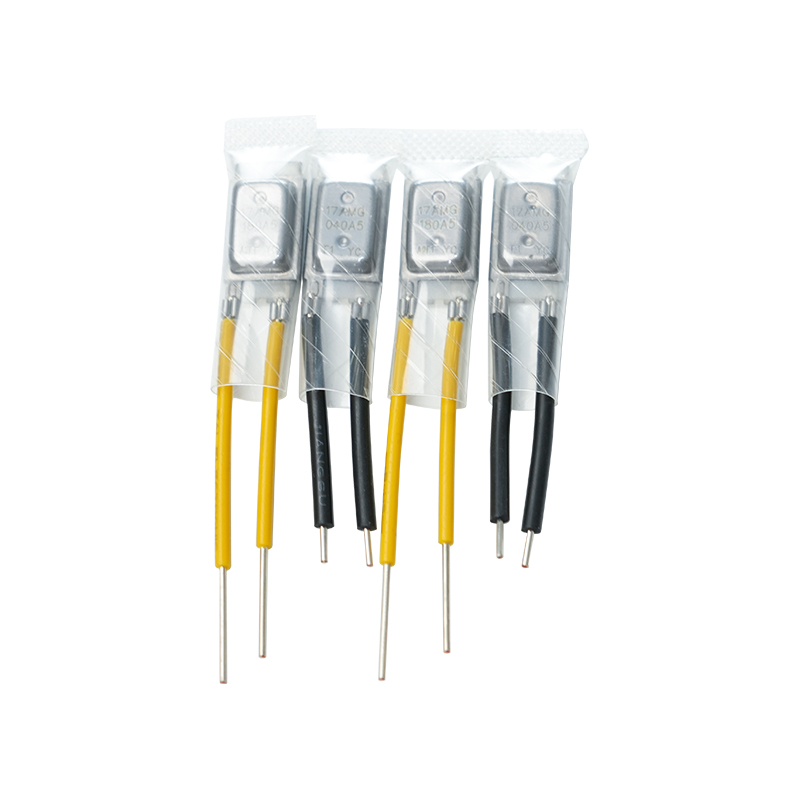
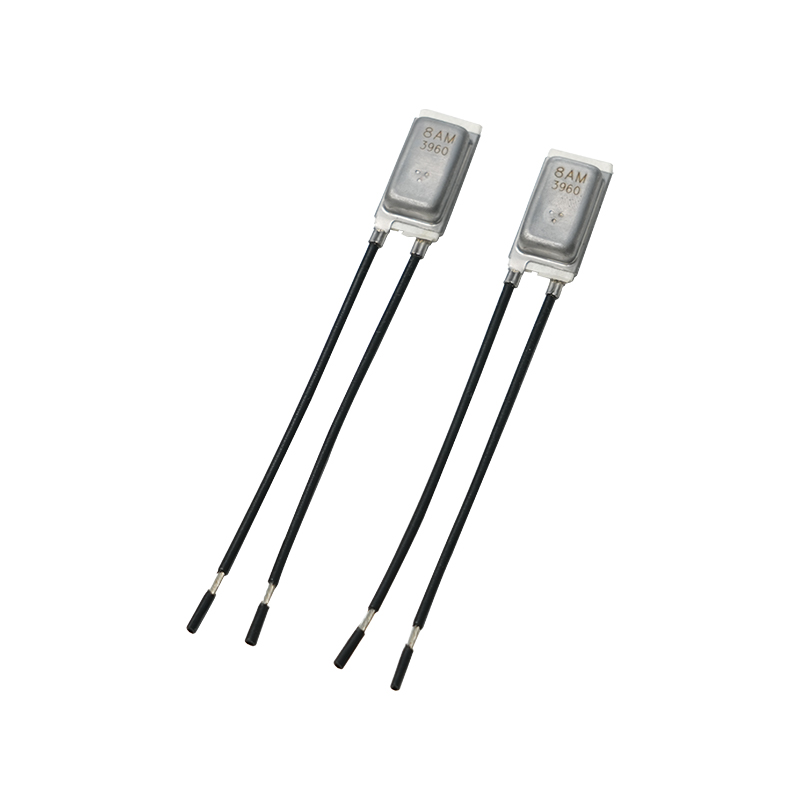
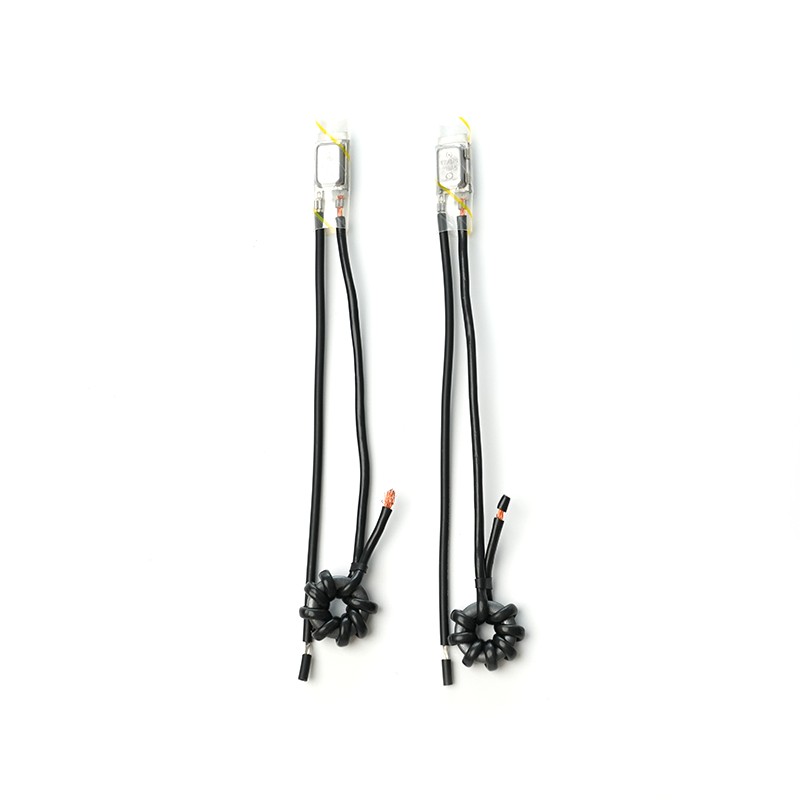



As China Thermal Protectors Manufacturers,Provide customers with high-quality and reliable protectors and electrical product safety protection solutions.
-
Tel:+86-515-88498139
-
Email:[email protected]
-
Phone:+86-13913681876
-
Add: Building C, No. 888 Huanhu West Second Road, Lingang New Area, China (Shanghai) Pilot Free Trade Zone
