

 English

How to Select the Right Thermal Overload Protector for Your Motor or Appliance

In modern electrical and mechanical systems, safety and reliability are paramount. Motors, compressors, and household or industrial appliances operate under varying load conditions that can cause overheating and potential damage if left unprotected. One of the most effective solutions to this problem is the Thermal Overload Protector (TOP). It serves as a safeguard against excessive current and heat, automatically interrupting power to prevent burnout or fire hazards.
However, with many types and specifications available, choosing the right thermal overload protector for your specific motor or appliance requires understanding how it works, what parameters to consider, and how to match it correctly to your application. This article provides a detailed guide on how to select the most suitable thermal overload protector to ensure performance, efficiency, and long-term reliability.
1. Understanding the Function of a Thermal Overload Protector
A Thermal Overload Protector is a temperature-sensitive safety device designed to protect electrical equipment from overheating due to excessive current or mechanical overload. When a motor or appliance draws more current than its rated capacity, heat builds up in the winding or circuit. The protector senses this temperature rise and disconnects the circuit before permanent damage occurs.
After cooling down, some types of protectors automatically reset, while others require manual resetting to restore operation.
The key purpose of a thermal overload protector is to:
- Prevent motor burnout due to prolonged overload.
- Protect wiring insulation from excessive heat.
- Reduce fire hazards and equipment downtime.
- Extend the lifespan of motors and electrical appliances.
2. Working Principle of a Thermal Overload Protector
Thermal overload protectors work on the principle of thermal expansion. Inside the device, a bimetallic strip or thermally responsive element bends when heated by excessive current. This mechanical action opens a set of electrical contacts, cutting off the circuit.
The sequence typically occurs as follows:
- Current flow generates heat through resistive elements.
- The bimetallic element heats up and deforms.
- Once the preset temperature is reached, the contacts open.
- When the device cools, the contacts either reset automatically or wait for manual reset.
This simple yet highly effective mechanism provides both current-dependent and temperature-dependent protection.
3. Key Factors to Consider When Selecting a Thermal Overload Protector
Choosing the right thermal overload protector involves evaluating electrical, mechanical, and environmental factors. Below are the most important parameters:
(1) Rated Current (Full Load Current)
The protector must match the motor’s rated full-load current (FLC).
- If the protector’s rating is too low, it may trip unnecessarily during normal operation.
- If it’s too high, it might fail to trip when the motor overheats.
Always select a device rated 110%–125% of the motor’s full-load current for optimal protection.
(2) Operating Voltage
Ensure the protector’s voltage rating equals or exceeds the system voltage (e.g., 110V, 220V, 380V). An underrated protector could fail to interrupt the circuit effectively, causing arcing or insulation damage.
(3) Response Time and Trip Class
Thermal overload protectors are categorized by trip class, which defines how quickly they react to overloads.
- Class 10: Trips within 10 seconds (used for fast-start motors).
- Class 20: Trips within 20 seconds (standard industrial motors).
- Class 30: Trips within 30 seconds (high inertia or slow-start motors).
Selecting the right trip class ensures reliable protection without nuisance tripping.
(4) Reset Type
There are three main reset types:
- Automatic Reset: Reconnects automatically after cooling. Ideal for small appliances and fans.
- Manual Reset: Requires manual intervention to restart. Common in industrial motors for safety.
- Remote/Electrical Reset: Controlled externally; used in automation systems.
Choose based on safety requirements and application environment.
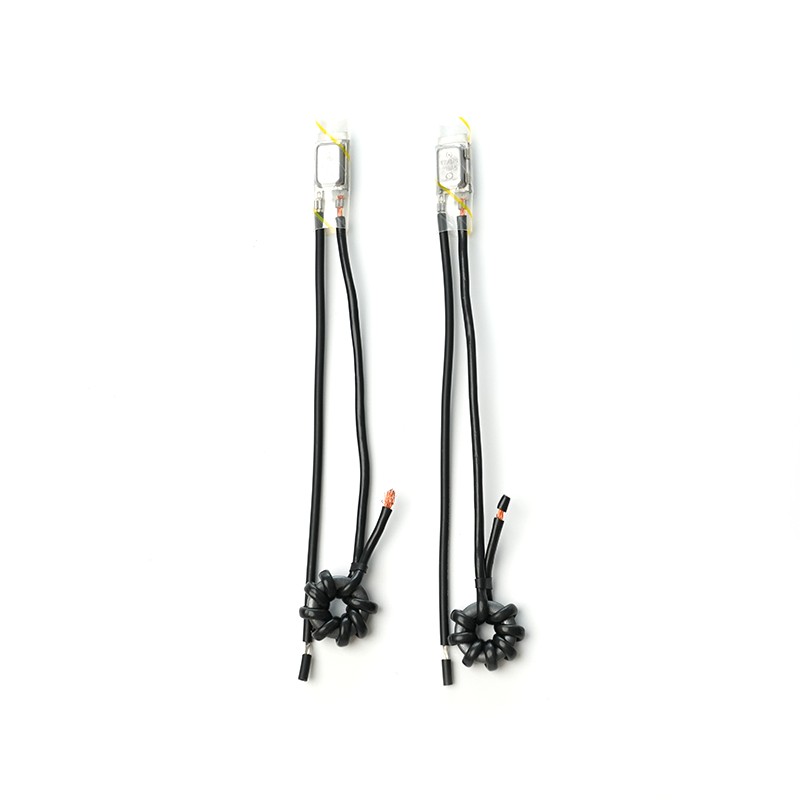
(5) Mounting Method and Size Compatibility
Thermal overload protectors come in various forms: embedded, surface-mount, or plug-in modules.
- Embedded types are placed directly in motor windings.
- Surface-mount types attach to motor housings.
- Plug-in units fit control panels or contactors.
The protector should fit securely within available space and meet mechanical design constraints.
(6) Ambient Temperature and Environment
Environmental conditions greatly affect performance. For example:
- In high-temperature environments, choose a protector with a higher thermal tolerance or compensation feature.
- For outdoor or humid environments, use sealed or waterproof designs to prevent corrosion.
- In vibration-prone areas, choose protectors with shock resistance and firm contact mechanisms.
(7) Duty Cycle and Load Type
Continuous-duty motors (e.g., pumps, conveyors) require more stable, heavy-duty protection than intermittent loads (e.g., mixers or compressors). Consider the type of load and its starting current characteristics before selecting a protector.
4. Types of Thermal Overload Protectors
There are several categories of thermal overload protectors based on their construction and application.
(1) Bimetallic Thermal Protectors
These are the most common type. They use a bimetal strip to sense heat and trip the circuit. Suitable for small motors, fans, and compressors.
(2) Thermistor-Based Protectors (PTC or NTC Sensors)
These use temperature-sensitive resistors that change resistance with heat. They are typically used in electronics, transformers, and smart motor controllers for precise thermal monitoring.
(3) Thermal Overload Relays
Installed in conjunction with contactors, these are used in three-phase industrial motors. They provide adjustable current settings and manual reset options.
(4) Integrated Thermal Protectors
Many modern motors and compressors include built-in protectors, embedded directly in the winding for faster and more accurate temperature response.
5. Application Examples
To illustrate proper selection, consider a few typical cases:
-
Small Household Appliance (e.g., Hair Dryer or Blender):
Use an automatic reset bimetal protector rated slightly above the device’s operating current. -
HVAC Compressor or Fan Motor:
Choose a manual reset protector with Class 20 trip characteristics to prevent automatic restarts after overheat. -
Industrial Pump or Conveyor Motor:
Use an adjustable thermal overload relay with Class 30 response for heavy startup loads. -
Electronic Equipment or Transformer:
A PTC thermistor-based protector provides continuous temperature monitoring and precision control.
6. Testing and Calibration
Before final installation, it is recommended to:
- Verify trip current and temperature ratings using a calibrated test setup.
- Check reset function to ensure proper operation.
- Test under simulated overload conditions to confirm that tripping occurs within the specified time.
- Regularly inspect contacts and terminals for corrosion or wear during maintenance intervals.
Proper testing ensures that the protector operates reliably without false trips or delayed response.
7. Common Mistakes to Avoid
- Selecting Incorrect Current Rating: Leads to nuisance tripping or inadequate protection.
- Ignoring Ambient Temperature Compensation: Causes premature or delayed trips.
- Installing in Poor Ventilation: Reduces cooling efficiency and skews temperature sensing.
- Mixing Automatic and Manual Resets Improperly: May cause unsafe automatic restarts.
- Neglecting Regular Inspection: Dust, vibration, and corrosion can degrade performance over time.
Avoiding these mistakes can significantly extend equipment lifespan and enhance operational safety.
8. Conclusion
Selecting the right Thermal Overload Protector is not just about matching current ratings—it requires understanding your motor’s operational profile, environmental conditions, and safety needs. A properly chosen protector ensures reliable operation, reduces downtime, and prevents costly damage to motors and appliances.
By carefully evaluating rated current, voltage, trip class, reset type, and environmental factors, engineers and technicians can choose a thermal overload protector that perfectly balances protection sensitivity and operational stability. In the long run, this not only safeguards equipment but also contributes to energy efficiency, reduced maintenance costs, and improved system reliability.
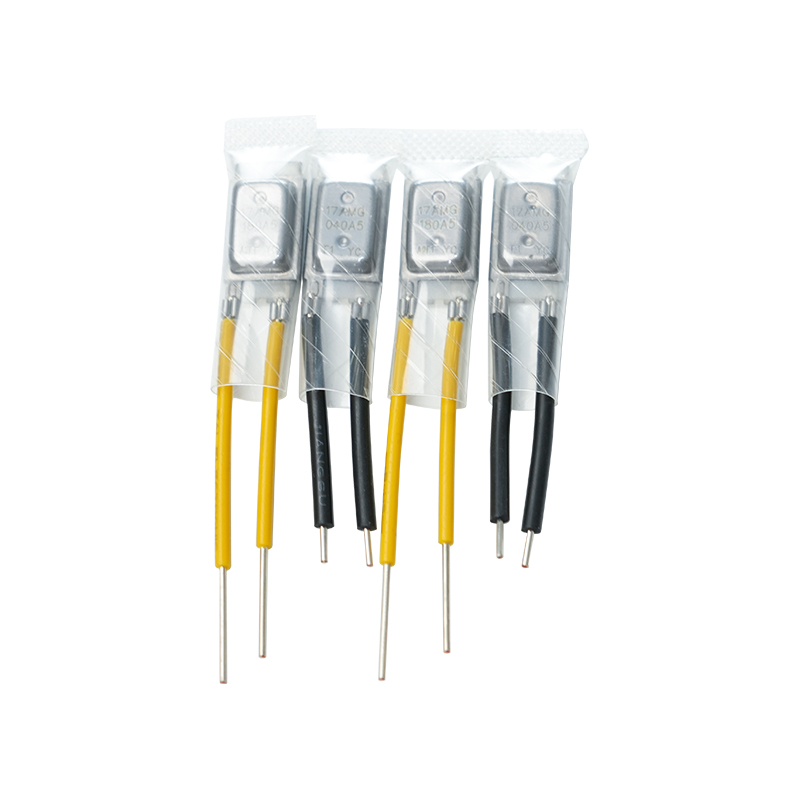
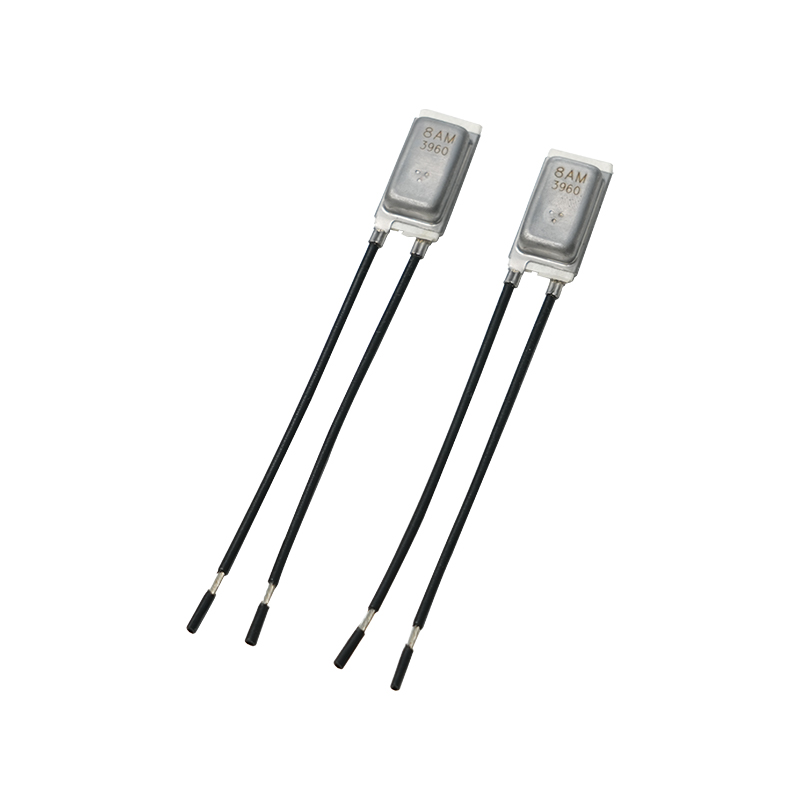

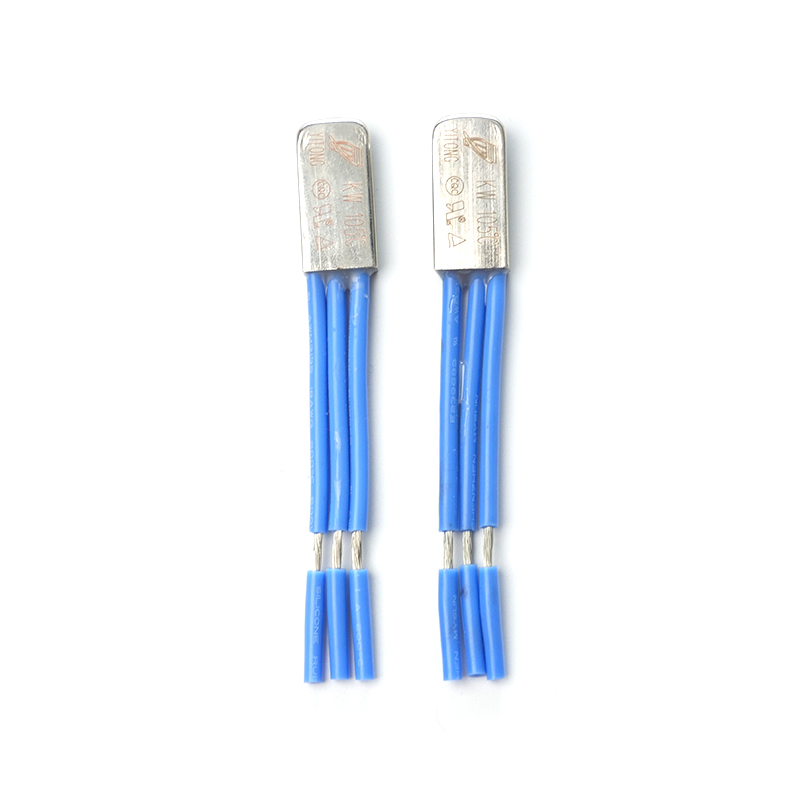



As China Thermal Protectors Manufacturers,Provide customers with high-quality and reliable protectors and electrical product safety protection solutions.
-
Tel:+86-515-88498139
-
Email:[email protected]
-
Phone:+86-13913681876
-
Add: Building C, No. 888 Huanhu West Second Road, Lingang New Area, China (Shanghai) Pilot Free Trade Zone
