

 English

Why is Thermal Protection Crucial for Single-Phase AC Electric Motors?

Single-phase alternating current (AC) electric motors are widely used in homes, small businesses, and light industrial applications due to their simplicity, reliability, and cost-effectiveness. However, like any electrical equipment, these motors are susceptible to overheating, which can lead to damage, reduced lifespan, or even complete failure. This is where thermal protection plays a vital role. In this article, we will explore why thermal protection is crucial for single-phase AC electric motors, how it works, the types of protection mechanisms available, and the consequences of neglecting thermal safeguards.
What Is Thermal Protection for Electric Motors?
Thermal protection refers to any system or device integrated into or attached to an electric motor to prevent it from overheating. Overheating is one of the most common causes of motor failure, and it can occur due to various reasons, including excessive load, insufficient ventilation, or electrical faults. Thermal protection monitors the temperature of the motor and automatically interrupts the power supply if the temperature exceeds a preset threshold.
There are two primary types of thermal protection: manual reset and automatic reset. The former requires the operator to reset the motor once it cools down, while the latter resets automatically once the motor returns to a safe operating temperature.
Why is Thermal Protection Important for Single-Phase AC Motors?
Single-phase AC motors are designed to operate under specific conditions, but they can be vulnerable to temperature changes. The key reasons why thermal protection is essential for these motors include:
-
Preventing Overheating and Damage to Windings:
Overheating is the most common form of damage to electric motors. The motor’s windings, made of copper wire, are coated with an insulating material that can degrade or burn off if exposed to excessive heat. When the insulation deteriorates, the motor may short-circuit or suffer other irreversible damage. -
Improving Efficiency and Reliability:
Motors that overheat are not only more likely to fail, but they also operate less efficiently. Thermal protection helps maintain consistent performance, ensuring that the motor does not overheat and operates at peak efficiency. -
Extending Motor Lifespan:
Excessive heat is one of the leading factors that contribute to the early demise of electric motors. Thermal protection helps prevent overheating, which significantly extends the motor’s lifespan, ultimately reducing repair or replacement costs. -
Safety Considerations:
Overheated motors can pose a fire hazard, especially if they are installed in poorly ventilated areas or are subjected to excessive load. Thermal protection acts as a safety mechanism, ensuring that the motor does not reach temperatures that could lead to a fire or electrical hazard.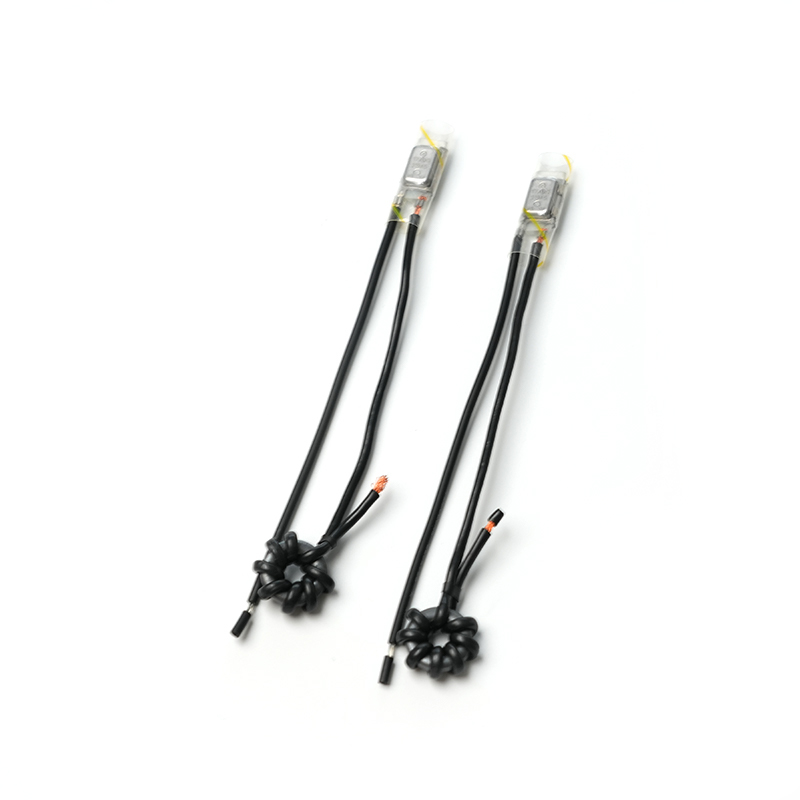
How Does Thermal Protection Work?
Thermal protection works by monitoring the temperature of the motor’s components, especially the windings. It uses temperature sensors or thermistors to measure the motor’s temperature and compares it with a predetermined safe operating range. If the temperature exceeds this range, the thermal protection system intervenes by either shutting off the motor or reducing its power supply. Here are some of the most common ways thermal protection systems function:
-
Thermal Overload Relays:
These relays are designed to detect when the motor is operating beyond its thermal limit. They are typically integrated into the motor’s control system or mounted externally in the circuit. Once the temperature exceeds a set point, the relay opens the circuit, disconnecting power to the motor and preventing overheating. -
Thermistors:
Thermistors are temperature-sensitive resistors that change their resistance with temperature fluctuations. These devices can be embedded within the motor windings or placed externally to measure the motor’s temperature. When the temperature rises above a certain threshold, the resistance of the thermistor changes, signaling a need to cut off the power. -
Temperature Switches:
A temperature switch is another device used for thermal protection. It operates by sensing the motor’s temperature using a mechanical or electronic sensor. When the temperature reaches a dangerous level, the switch triggers a signal to stop the motor or alert the operator of the overheating condition. -
PTC (Positive Temperature Coefficient) Thermistors:
PTC thermistors are commonly used in smaller motors or in situations where precise thermal protection is needed. They have the characteristic of increasing resistance as their temperature rises. If the motor becomes too hot, the resistance of the PTC thermistor increases, which effectively reduces the motor’s current supply, preventing further overheating.
Types of Thermal Protection Mechanisms for Single-Phase AC Motors
There are various types of thermal protection systems, and each offers different levels of protection. The choice of protection mechanism depends on the motor’s application, size, and specific requirements.
-
Internal Thermal Protection:
Some motors come with built-in thermal protection. This type of protection is integrated within the motor housing or winding insulation. It is usually in the form of a temperature-sensitive switch that cuts off the power when the motor overheats. While convenient, internal protection can sometimes be less reliable or harder to repair if it fails. -
External Thermal Protection:
External protection devices are typically mounted outside the motor. These could include thermal overload relays, temperature sensors, or control devices that monitor the motor’s performance. External thermal protection tends to offer more flexibility and can be easier to replace or repair when needed. -
Thermal Cutoff Devices:
Thermal cutoff devices are one-time-use fuses that open the circuit when they detect excessive heat. These are typically used in smaller motors or where simpler protection mechanisms are preferred. Once the fuse blows, the motor must be manually reset or replaced. -
Electronic Thermal Protection:
More advanced single-phase AC motors may use electronic thermal protection systems that offer greater precision in monitoring motor temperature. These systems can adjust power to the motor based on real-time temperature readings, allowing for more sophisticated and dynamic protection.
What Happens if Thermal Protection Is Not Installed or Malfunctions?
Neglecting to install thermal protection or allowing it to malfunction can result in serious consequences:
-
Motor Damage:
The motor’s windings can overheat and degrade if thermal protection is not present. This could lead to insulation breakdown, short circuits, or total failure of the motor. -
Fire Hazard:
Overheated motors can pose significant fire risks, especially if they are used in high-load or enclosed environments. A lack of thermal protection increases the likelihood of a fire starting due to electrical faults. -
Increased Maintenance Costs:
Without proper thermal protection, motors are more likely to fail prematurely, requiring costly repairs or replacements. Additionally, downtime due to motor failure can disrupt business operations, leading to lost productivity and revenue. -
Reduced Efficiency:
A motor operating without thermal protection may not run at its optimal efficiency. Overheating can cause energy losses, reducing the overall performance and increasing energy consumption.
Conclusion: The Importance of Regular Maintenance and Protection
In conclusion, thermal protection is a critical component in ensuring the longevity, efficiency, and safety of single-phase AC electric motors. By preventing overheating, thermal protection helps avoid motor damage, extends the motor’s operational life, and reduces the risk of fires and other safety hazards.
It’s important to regularly inspect and maintain thermal protection systems, including checking for potential malfunctions in thermal overload relays, thermistors, and other protective devices. Whether you’re a homeowner, business owner, or technician, ensuring that your motor has proper thermal protection is not just a matter of performance—it’s a matter of safety.
By integrating reliable thermal protection mechanisms and keeping an eye on regular maintenance schedules, you can ensure that your motor remains in optimal working condition, offering years of service without unexpected failures or costly repairs.
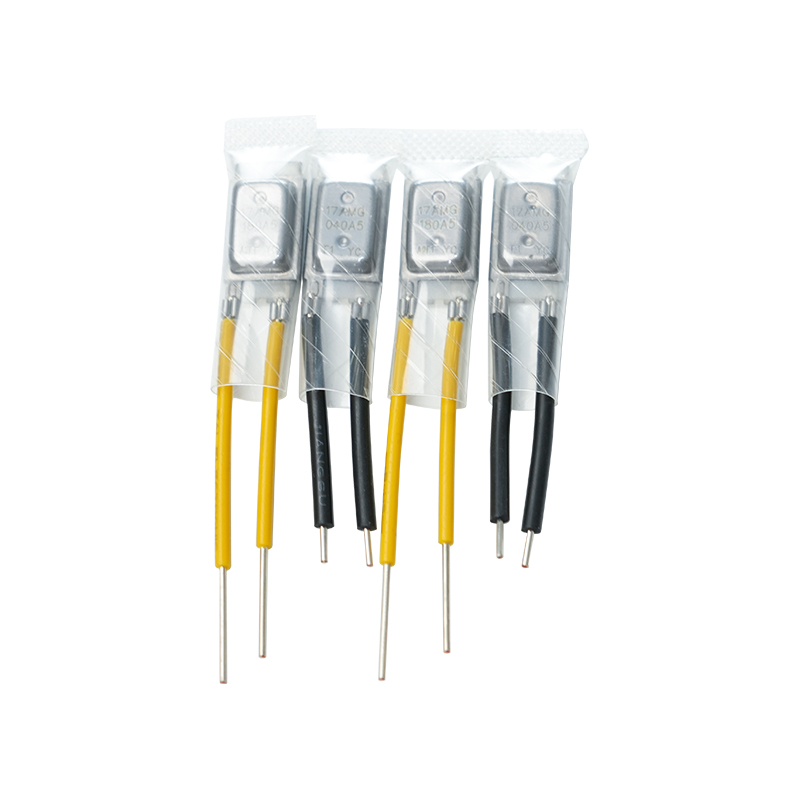
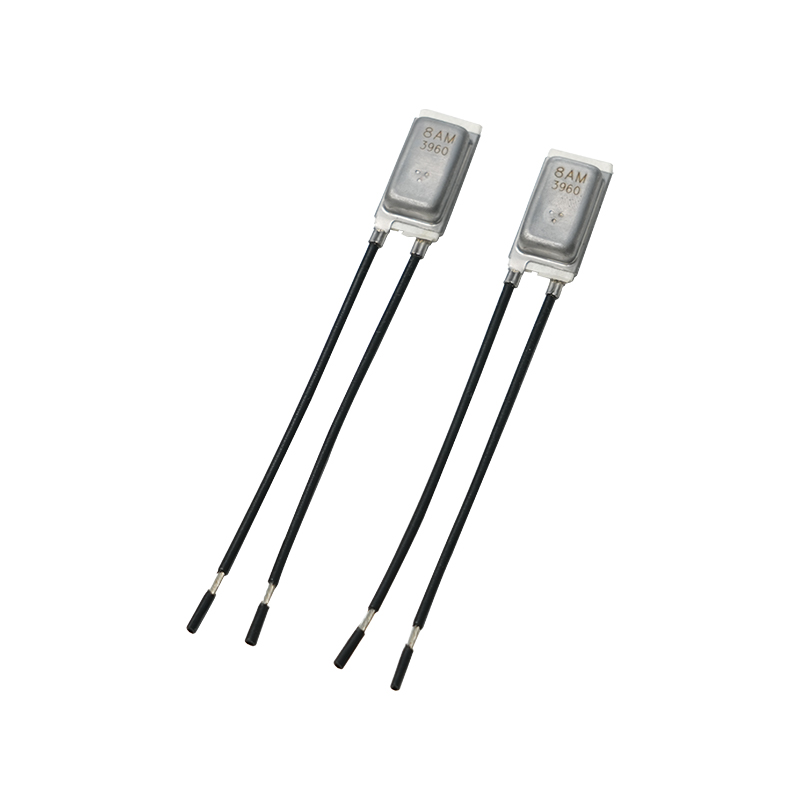
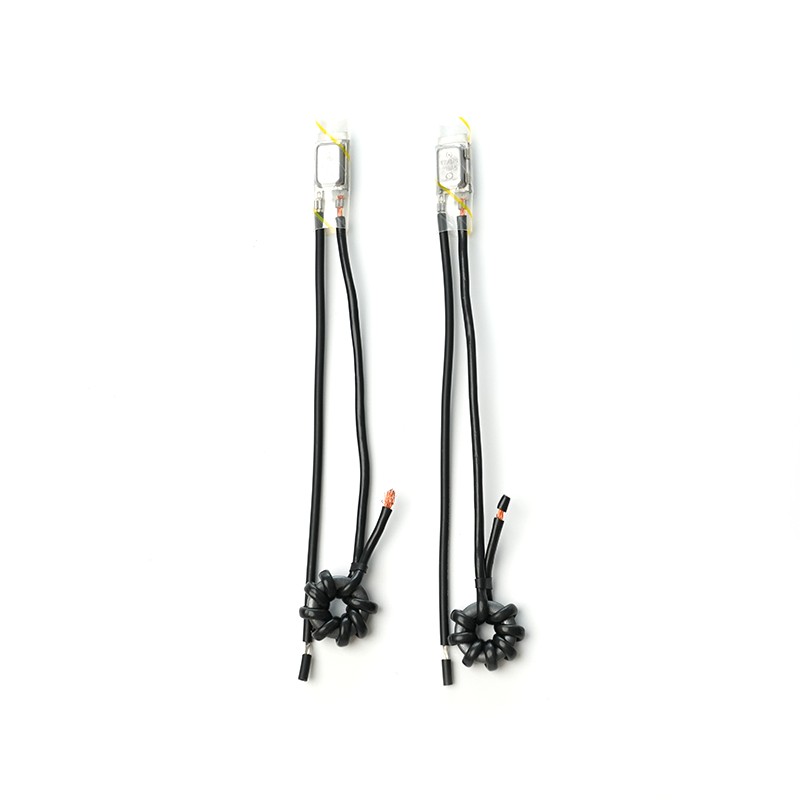
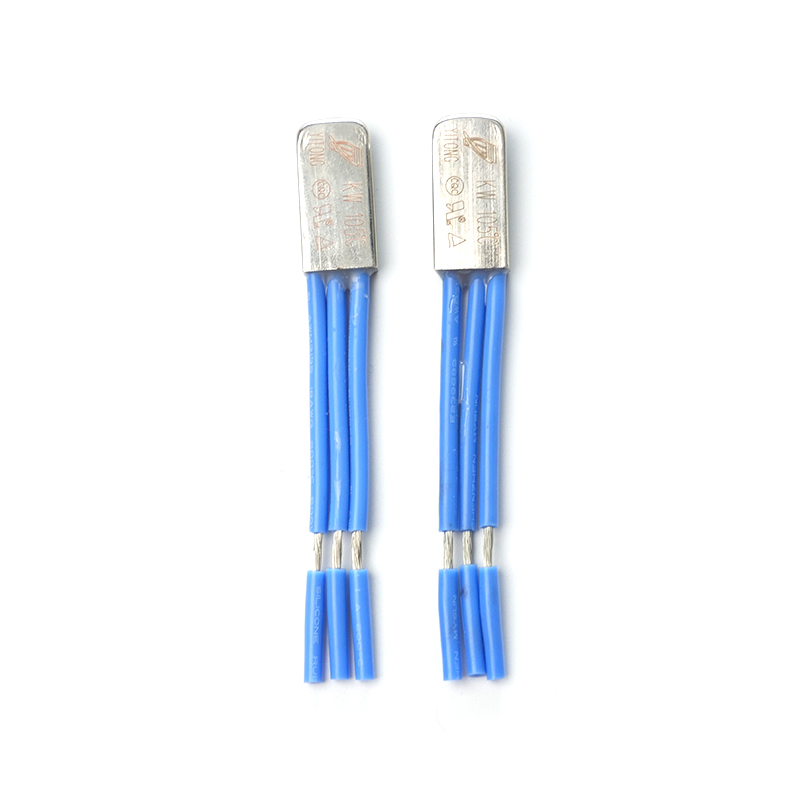



As China Thermal Protectors Manufacturers,Provide customers with high-quality and reliable protectors and electrical product safety protection solutions.
-
Tel:+86-515-88498139
-
Email:[email protected]
-
Phone:+86-13913681876
-
Add: Building C, No. 888 Huanhu West Second Road, Lingang New Area, China (Shanghai) Pilot Free Trade Zone
