

 English

What Are 17AM Thermal Protectors and How Do They Protect Motors from Overheating?

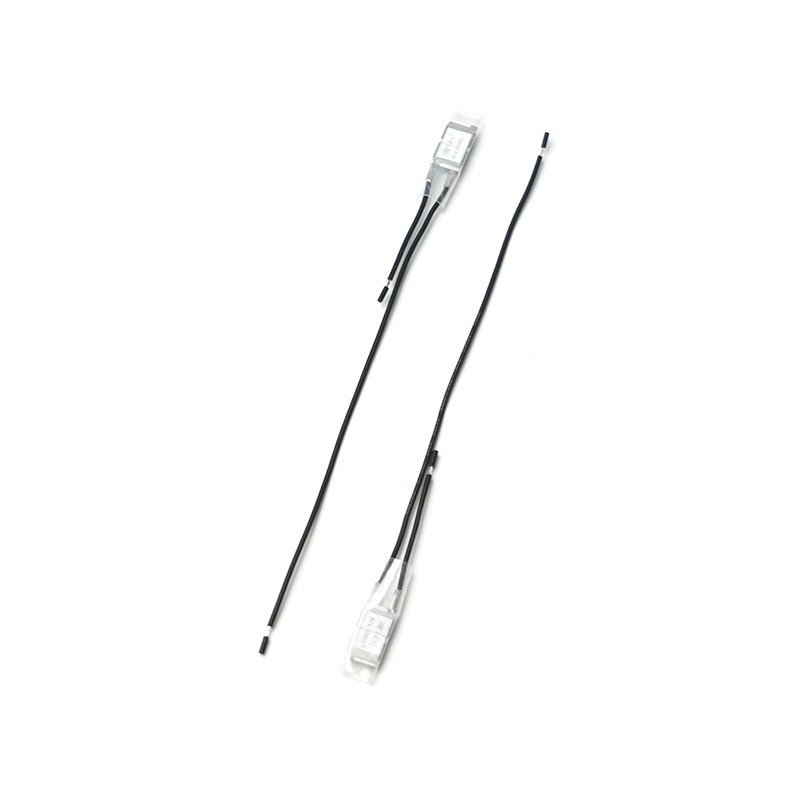
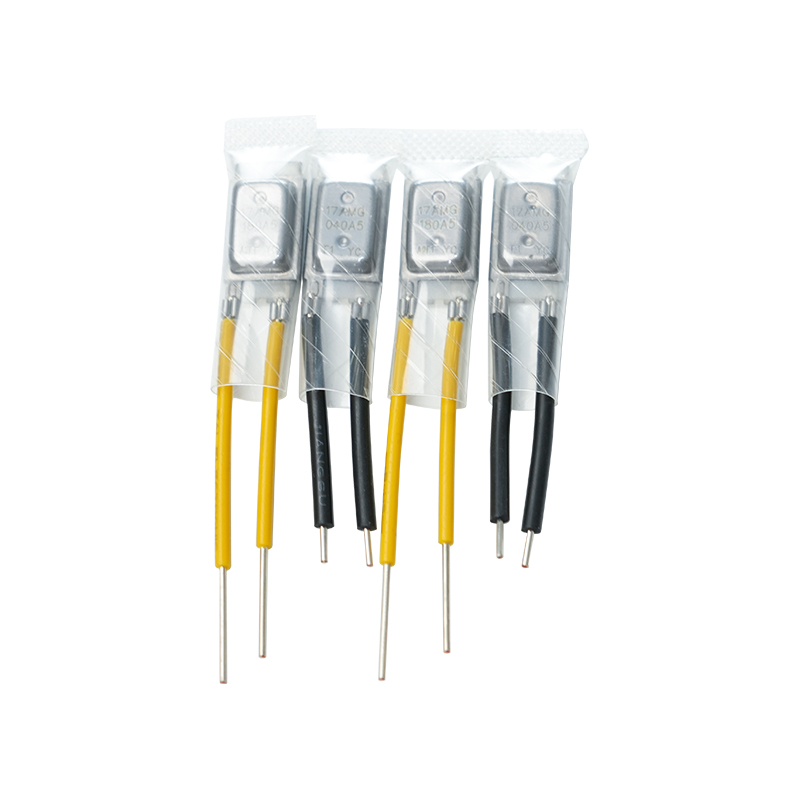
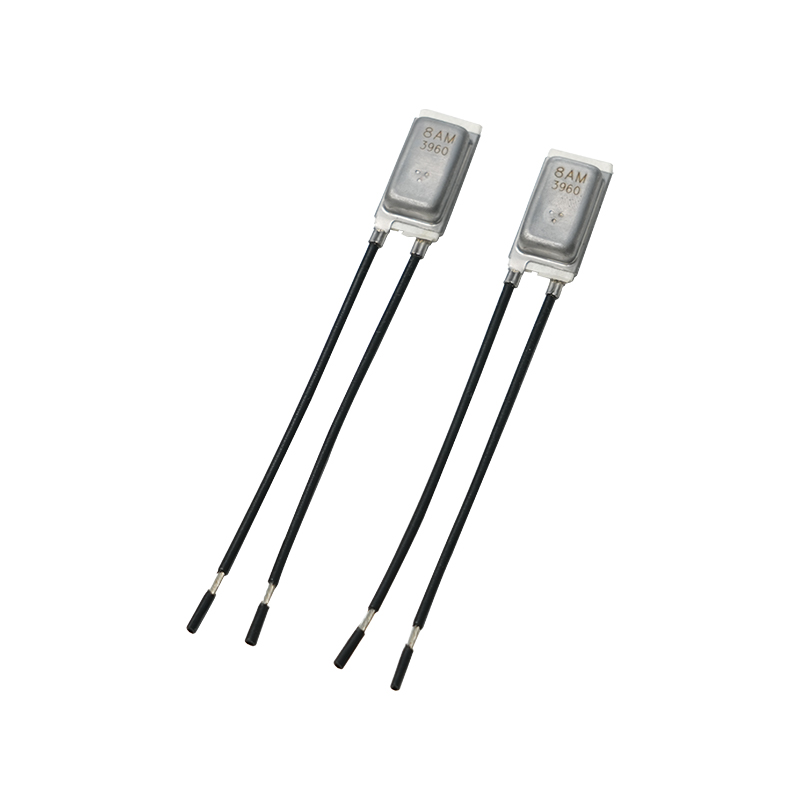
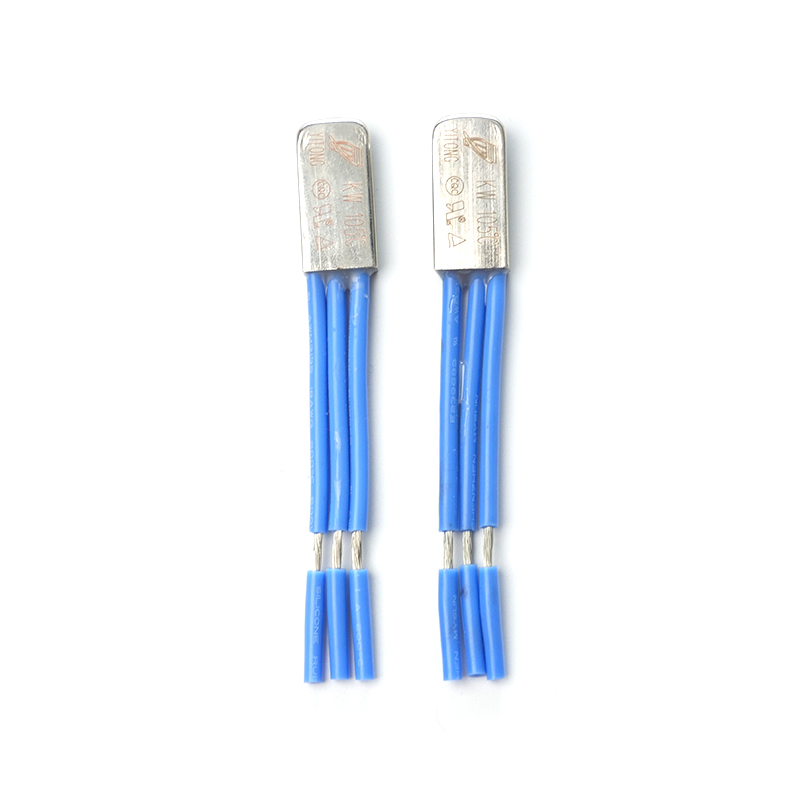
A 17AM thermal protector is a compact temperature-sensitive safety device designed to protect electric motors, compressors, and other electrical equipment from overheating. It is widely used in household appliances such as refrigerators, air conditioners, water pumps, and small industrial motors. The “17AM” refers to a specific series or model type, often indicating standardized dimensions and mounting features suitable for automatic reset or manual reset configurations. These protectors are built to interrupt the electrical circuit when the internal temperature exceeds a predetermined threshold, preventing insulation damage, winding failure, or fire hazards.
How 17AM Thermal Protectors Work
The core component of a 17AM thermal protector is a bimetallic strip or disc that bends or snaps when heated. Under normal operating temperatures, the bimetallic element remains stable, allowing current to flow through the device. When the temperature rises beyond the set point—due to overload, stalled rotor, blocked airflow, or other fault conditions—the bimetallic element changes shape quickly. This action opens the internal contacts, cutting off the power supply to the motor. After the device cools down, an automatic reset protector will close the contacts again, restoring operation. In contrast, a manual reset type requires a physical reset to restart the equipment, adding an extra safety step.
Key Features and Specifications of 17AM Protectors
The performance of a 17AM thermal protector is defined by several technical parameters. The most important include the cut-out temperature, reset temperature, rated current, and mounting style. Cut-out temperature is the point at which the protector interrupts the circuit, while reset temperature is the temperature at which the device restores conduction. These values must be carefully matched to the motor’s operating range and insulation class.
Other key features include:
- Compact size for easy integration into motor windings or terminal boxes
- Fast response time to prevent thermal runaway
- High mechanical durability to withstand vibration and frequent cycling
- Stable performance over long service life
- Availability in both automatic reset and manual reset versions
Typical Applications of 17AM Thermal Protectors
17AM thermal protectors are commonly used in motors and equipment where space is limited and reliable thermal protection is essential. They are widely found in:
- Refrigeration compressors and HVAC systems
- Water pumps and booster pumps
- Household appliances such as washing machines and dryers
- Industrial small motors used in fans, blowers, and conveyors
- Air compressors and refrigeration units in commercial settings
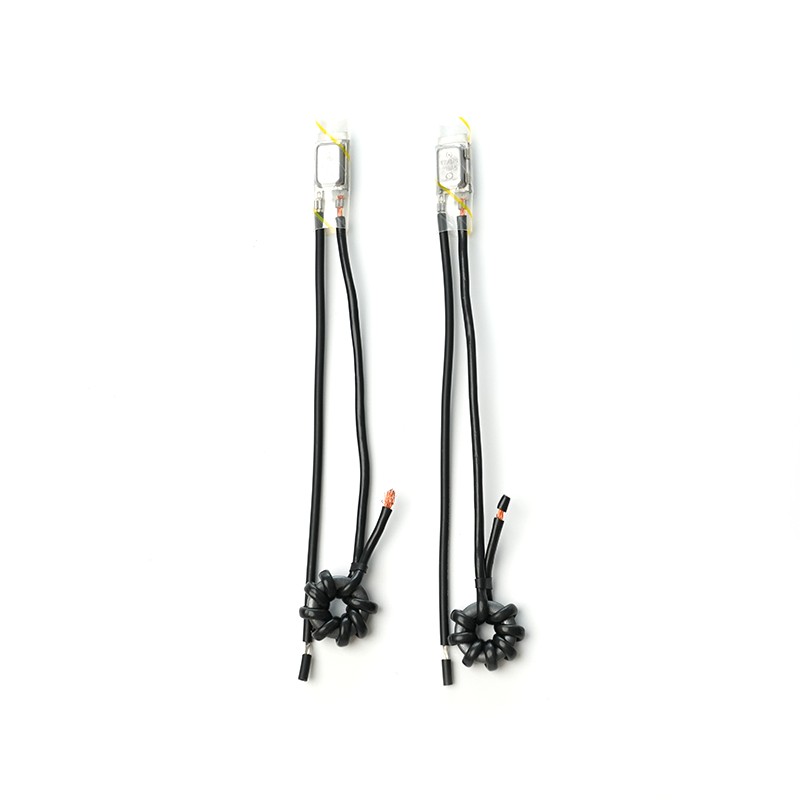
In these applications, the protector is usually embedded in the motor winding or attached to the motor casing to monitor temperature accurately. This ensures the device responds promptly to abnormal heat buildup, which is often a sign of electrical or mechanical failure.
How to Choose the Right 17AM Thermal Protector
Selecting the correct 17AM thermal protector requires a clear understanding of the motor’s characteristics and the operating environment. Key selection steps include:
- Identify the motor type, power rating, and insulation class
- Determine the normal operating temperature range and maximum allowable temperature
- Choose the correct cut-out and reset temperature values
- Select automatic or manual reset based on safety requirements
- Confirm mounting style and lead wire length for installation convenience
For example, motors used in refrigeration often require protectors with lower cut-out temperatures due to continuous operation and high thermal sensitivity. In contrast, industrial motors with higher ambient temperatures may need protectors with higher cut-out values to avoid nuisance tripping.
Installation and Wiring Best Practices
Proper installation is critical to ensure accurate temperature sensing and reliable operation. The protector should be positioned where it can closely monitor the hottest part of the motor, typically within the winding or near the motor casing. Lead wires should be routed away from sharp edges and heat sources to prevent insulation damage. It is also important to ensure firm contact between the protector and the motor surface, using thermal adhesive or mechanical clamping if needed.
In wiring, the protector can be connected in series with the motor’s power supply or control circuit. For automatic reset protectors, the device should be placed in a location that allows natural cooling before resetting. For manual reset types, ensure the reset mechanism is accessible for maintenance personnel.
Troubleshooting Common Issues
Even with proper selection and installation, thermal protectors can experience issues due to environmental or operational factors. Common problems include nuisance tripping, failure to reset, and inaccurate temperature sensing. Nuisance tripping often results from high ambient temperatures, poor ventilation, or temporary overload conditions. In such cases, improving airflow or selecting a protector with a higher cut-out temperature may help.
If the protector fails to reset, it may be damaged, or the motor may still be overheating. Check for mechanical blockages, bearing failure, or electrical issues such as short circuits. Inaccurate sensing can be caused by improper mounting or loose contact with the motor surface. Regular inspection and testing can prevent these issues and ensure long-term reliability.
Comparison Table: Automatic vs Manual Reset
| Feature | Automatic Reset | Manual Reset |
| Safety Level | Medium | High |
| Convenience | High | Low |
| Best Use | Continuous operation devices | Critical safety applications |
Conclusion: Ensuring Reliable Motor Protection
17AM thermal protectors are essential components in modern electrical systems, providing reliable overheating protection for motors and compressors. Their compact design, fast response, and stable performance make them suitable for a wide range of applications, from household appliances to industrial equipment. By choosing the correct cut-out and reset temperatures, installing the device properly, and conducting regular maintenance, manufacturers and users can significantly reduce the risk of motor failure and extend equipment lifespan. For any application requiring thermal protection, the 17AM series offers a practical and cost-effective solution.



As China Thermal Protectors Manufacturers,Provide customers with high-quality and reliable protectors and electrical product safety protection solutions.
-
Tel:+86-515-88498139
-
Email:[email protected]
-
Phone:+86-13913681876
-
Add: Building C, No. 888 Huanhu West Second Road, Lingang New Area, China (Shanghai) Pilot Free Trade Zone
