

 English

What Is the Role of a 17AM Motor Thermal Protector in Preventing Motor Overheating?

Electric motors are vital components in industrial machinery, HVAC systems, appliances, and many other applications. However, they are prone to overheating due to overcurrent, mechanical load, or environmental conditions. To prevent damage and ensure reliable operation, motor thermal protectors are widely used. The 17AM motor thermal protector is a popular solution designed to automatically disconnect the motor in case of excessive temperature, safeguarding the motor and connected systems.
This article provides a comprehensive look at the role of the 17AM motor thermal protector, its design features, operating principles, and benefits in preventing motor overheating.
How a 17AM Motor Thermal Protector Works
The 17AM thermal protector is a temperature-sensitive device integrated with the motor windings or installed in proximity to the motor. Its core component is a bimetallic strip or thermistor that responds to heat. When the motor temperature exceeds a predefined threshold, the thermal protector triggers a switch that interrupts the electrical circuit, shutting off the motor and preventing further heating.
Once the motor cools down, the protector either automatically resets or requires manual reset depending on the design. This simple yet effective mechanism prevents insulation damage, winding burnout, and potential fire hazards caused by overheating.
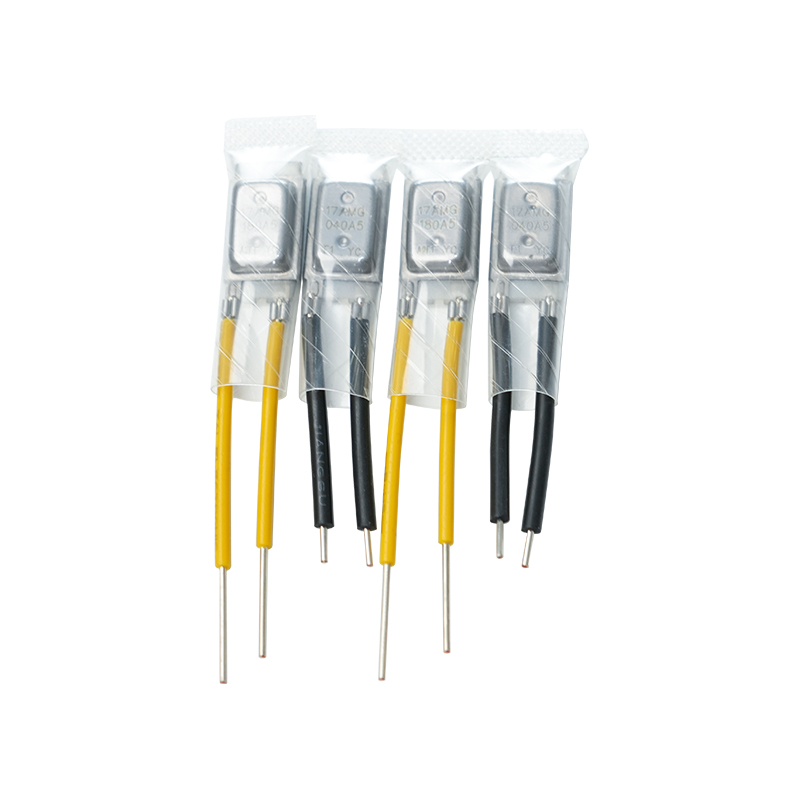
Key Components of a 17AM Thermal Protector
Understanding the components helps in appreciating the device's reliability and efficiency:
- Bimetallic strip or thermistor: Senses temperature changes and activates the switching mechanism.
- Switching contacts: Open the electrical circuit when a critical temperature is reached.
- Housing: Protects the internal components and ensures stable installation within the motor assembly.
- Reset mechanism: Allows the device to resume normal operation after cooling.
Importance in Preventing Motor Overheating
Overheating is one of the most common causes of motor failure. Excessive heat can degrade insulation, warp windings, and reduce the efficiency and lifespan of the motor. The 17AM thermal protector addresses these risks by providing immediate response to abnormal temperature rises.
By cutting off the power supply, it prevents:
- Permanent winding damage due to insulation breakdown.
- Overheating-related mechanical stress on motor components.
- Potential fire hazards in industrial or residential environments.
Applications of 17AM Thermal Protectors
The 17AM motor thermal protector is widely used across various motor applications, including:
- Household appliances such as fans, air conditioners, refrigerators, and washing machines.
- Industrial motors in conveyors, pumps, compressors, and HVAC systems.
- Electric tools and machinery requiring reliable protection against intermittent overloads.
Its versatility ensures both small and large motors can benefit from enhanced safety and longer service life.
Benefits of Using a 17AM Thermal Protector
Using a 17AM thermal protector provides multiple advantages:
- Reliable overheating protection ensures motor longevity and reduces repair costs.
- Prevents downtime by avoiding catastrophic motor failure.
- Provides automatic or manual reset options for flexible motor control.
- Compact design allows easy integration into existing motor assemblies without significant modifications.
Installation and Maintenance Tips
Proper installation is critical to ensure accurate temperature sensing and reliable operation. Tips include:
- Install the thermal protector as close to the motor windings as possible for precise temperature monitoring.
- Ensure electrical connections are secure and comply with the motor’s voltage and current specifications.
- Test the thermal protector periodically by simulating over-temperature conditions to verify its responsiveness.
- Clean contacts and housing periodically to prevent dust and debris from affecting performance.
Troubleshooting Common Issues
Even high-quality 17AM thermal protectors can encounter issues, typically related to improper installation, electrical surges, or aging components. Common troubleshooting steps include:
- Check continuity and resistance of the protector to ensure proper operation.
- Inspect for physical damage or corrosion of contacts and terminals.
- Ensure the protector’s temperature rating matches the motor’s thermal characteristics.
- Replace the protector if it fails to trip or reset correctly.
Conclusion
The 17AM motor thermal protector plays a vital role in preventing motor overheating, extending motor life, and improving operational reliability. By providing precise temperature monitoring and automatic circuit interruption, it safeguards both the motor and connected systems from thermal damage. Proper installation, maintenance, and periodic testing ensure that the 17AM thermal protector continues to provide dependable protection for a wide range of industrial and household motor applications.

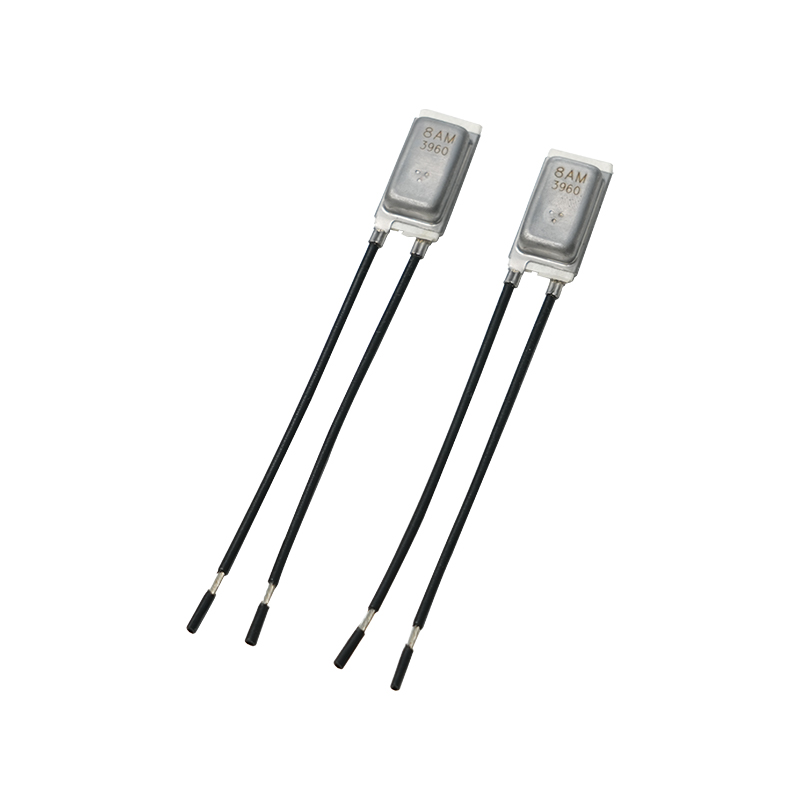
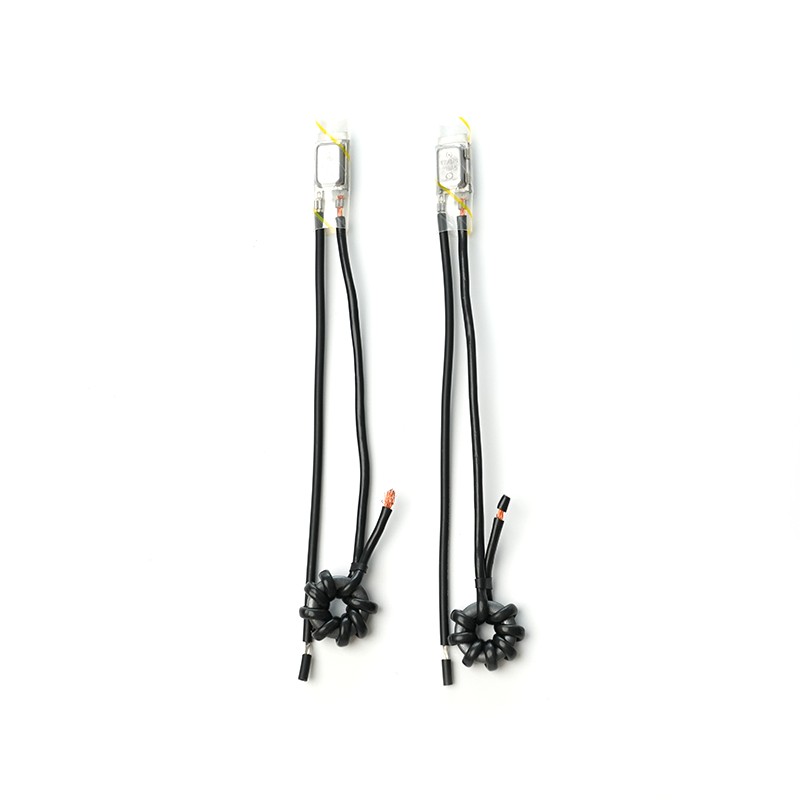
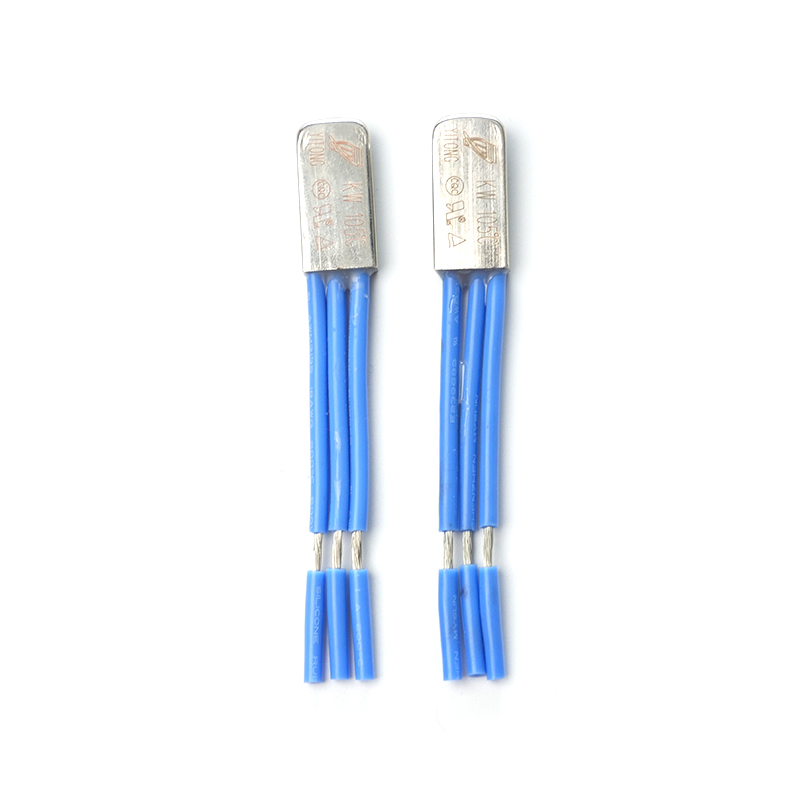



As China Thermal Protectors Manufacturers,Provide customers with high-quality and reliable protectors and electrical product safety protection solutions.
-
Tel:+86-515-88498139
-
Email:[email protected]
-
Phone:+86-13913681876
-
Add: Building C, No. 888 Huanhu West Second Road, Lingang New Area, China (Shanghai) Pilot Free Trade Zone
