

 English

What Do Thermal Protectors And Resets In Your Motors Mean?

Fundamental Principles of Motor Thermal Protection
Motor thermal protectors are critical safety devices designed to prevent permanent damage to electric motors by monitoring temperature and interrupting power when dangerous heat levels are detected. These protective components respond to the heat generated within motor windings during operation, automatically disconnecting electrical current before temperatures reach levels that would destroy insulation, degrade bearings, or cause catastrophic motor failure. Understanding what thermal protectors are and how they function is essential for anyone working with electric motors in industrial, commercial, or residential applications, as these devices represent the primary defense against motor burnout and the costly downtime and replacement expenses that accompany motor failures.
The reset function in motor thermal protectors refers to the mechanism by which the device restores power to the motor after it has cooled sufficiently following a thermal trip event. Reset mechanisms come in two primary categories: automatic reset, where the protector self-restores when temperature drops below a predetermined threshold, and manual reset, which requires human intervention to restore motor operation. The choice between automatic and manual reset configurations has significant implications for safety, operational continuity, and maintenance requirements. This fundamental distinction affects how systems respond to overheating conditions and determines the appropriate protective strategy for different motor applications based on accessibility, supervision levels, and operational criticality.
Types of Motor Thermal Protectors Explained
Bimetallic Thermal Protectors
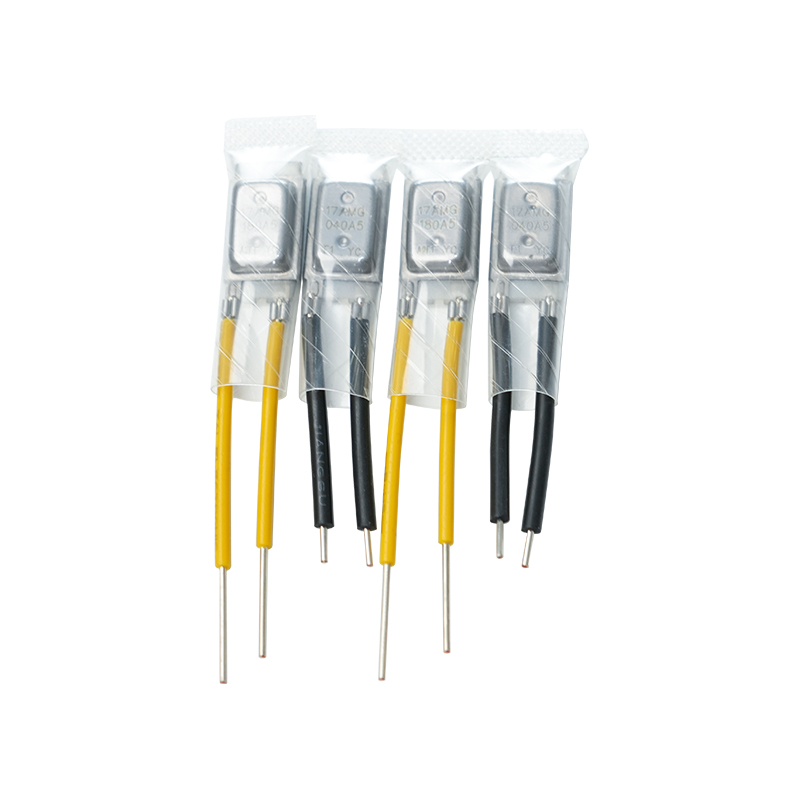
Bimetallic thermal protectors utilize two dissimilar metals bonded together that expand at different rates when heated, creating mechanical movement that opens electrical contacts at a specific temperature. These devices are among the most common thermal protection mechanisms due to their simplicity, reliability, and cost-effectiveness. The bimetallic element is typically formed into a disc or strip configuration, carefully calibrated to snap open at precise temperatures ranging from 60°C to 180°C depending on the motor application and protection requirements. When current flows through the protector or heat conducts from surrounding motor components, the bimetallic element heats up until it reaches its transition temperature, at which point the mechanical stress causes it to snap to a different position, opening the electrical contacts and interrupting motor current.
The elegance of bimetallic protectors lies in their self-contained operation requiring no external power source or control circuitry. As the motor and protector cool following a trip event, the bimetallic element gradually returns to its original shape. In automatic reset designs, this cooling process eventually allows the contacts to close again, restoring power to the motor without any external intervention. Manual reset bimetallic protectors incorporate a mechanical latch that holds the contacts open even after cooling, requiring someone to physically press a reset button to restore the device to its operational state. This simple yet effective technology has protected electric motors for decades and remains widely used across numerous applications from small appliance motors to industrial equipment.
Thermistor-Based Protection Systems
Thermistor-based motor protection systems employ temperature-sensitive resistors embedded directly in motor windings to provide highly accurate temperature monitoring. These semiconductor devices exhibit predictable resistance changes with temperature variations, typically using positive temperature coefficient (PTC) thermistors that dramatically increase resistance when a specific temperature threshold is exceeded. Unlike bimetallic protectors that directly interrupt motor current, thermistor systems provide temperature information to external relay or control modules that make the switching decision. This architecture allows for more sophisticated protection strategies including graduated responses, data logging, and integration with building management or industrial control systems.
The primary advantage of thermistor-based protection is accuracy and flexibility. By embedding sensors directly in the hottest portions of motor windings, these systems respond to actual winding temperature rather than inferring it from indirect measurements. Modern thermistor protection modules can monitor multiple temperature points simultaneously, providing comprehensive thermal mapping of the motor and detecting localized hot spots that might not trigger simpler protection devices. Reset functionality in thermistor systems is typically controlled through the external module, which can be configured for automatic or manual reset operation depending on application requirements. Advanced systems may incorporate time delays, differential temperature monitoring, and communication capabilities that provide maintenance personnel with detailed diagnostic information unavailable from simple thermal protectors.
Overload Relays and Heater Elements
Thermal overload relays protect motors by monitoring current draw rather than directly measuring temperature, using the heat generated by motor current flowing through a heater element to trip a bimetallic mechanism or melt a eutectic alloy. These devices are commonly found in motor starters and control panels, providing both overload and short-circuit protection for three-phase industrial motors. The heater element is sized to match the motor's full-load current rating, generating proportional heat based on actual current draw. When the motor draws excessive current due to overload, locked rotor, or single-phasing conditions, the heater element produces enough thermal energy to activate the trip mechanism, disconnecting the motor from the power supply.
Overload relays typically feature manual reset mechanisms requiring operator intervention to restore motor operation after a trip event. This design philosophy reflects the industrial safety principle that motors should not automatically restart after overload conditions without human assessment of the situation. Some modern electronic overload relays incorporate microprocessor-based monitoring with selectable reset modes, sophisticated trip curves matching specific motor characteristics, and diagnostic capabilities that record trip events and operating parameters. These advanced devices bridge the gap between simple thermal protection and comprehensive motor management systems, providing the precise protection required for expensive industrial motors while offering the flexibility to adapt to varying operational requirements.
Understanding Automatic Reset Functionality
Automatic reset thermal protectors restore motor operation without human intervention once the protected motor cools below the reset temperature threshold. This functionality provides significant advantages in applications where motors are inaccessible, operate in remote locations, or power critical systems requiring maximum uptime. Refrigeration compressors, HVAC equipment, water pumps, and similar applications commonly employ automatic reset protection to minimize service calls and maintain operation with minimal supervision. The automatic reset mechanism functions through the inherent properties of the bimetallic element or through electronic control circuits programmed to reconnect power after predetermined cooling periods.
The differential between trip temperature and reset temperature, known as the hysteresis or dead band, prevents rapid cycling that could damage the motor or protective device. Typical automatic reset protectors feature trip temperatures between 90°C and 150°C with reset occurring 20-40°C lower, ensuring adequate cooling before power restoration. However, automatic reset protection carries inherent risks that must be carefully considered during system design. If the condition causing overheating persists, the motor will repeatedly cycle between running and thermal trip states, potentially causing more damage than a single extended thermal event. Additionally, automatic restart of motors creates safety concerns in applications where unexpected operation could endanger personnel working on or near the equipment.
| Reset Type | Typical Applications | Main Advantages | Key Limitations |
| Automatic Reset | HVAC, refrigeration, remote pumps | Unattended operation, reduced service calls | Safety concerns, potential for repeated cycling |
| Manual Reset | Industrial machinery, conveyor systems | Enhanced safety, forced problem investigation | Requires human intervention, potential downtime |
| Electronic Selectable | Variable speed drives, smart systems | Flexible configuration, diagnostic capabilities | Higher cost, complexity, requires programming |
Manual Reset Protection and Safety Considerations
Manual reset thermal protectors require deliberate human action to restore motor operation following a thermal trip event, typically through pressing a reset button located on the motor housing or starter enclosure. This protection philosophy prioritizes safety and problem resolution over operational continuity, ensuring that motors do not automatically restart while personnel are investigating problems or working on driven equipment. Industrial applications, machinery with exposed moving parts, and systems where unexpected restart could cause injury or equipment damage universally employ manual reset protection as a fundamental safety measure. The manual reset requirement forces operators and maintenance personnel to acknowledge the thermal trip event and ideally investigate its cause before restoring operation.
From a practical standpoint, manual reset protectors serve as an enforcement mechanism for proper troubleshooting procedures. When a motor trips on thermal protection, someone must physically access the motor or starter to press the reset button, creating an opportunity to check for obvious problems such as jammed mechanisms, belt issues, or environmental factors causing overheating. This enforced pause in operations prevents the accumulative damage that occurs when motors repeatedly cycle on thermal protection without addressing underlying causes. Manual reset designs also eliminate the safety hazard of motors unexpectedly starting during maintenance activities, as the open thermal protector provides a positive disconnection point in addition to standard lockout/tagout procedures.
Common Causes of Thermal Protector Activation
Understanding why thermal protectors trip is essential for effective troubleshooting and preventive maintenance. Mechanical overload represents the most straightforward cause, occurring when the motor drives loads exceeding its rated capacity. This condition forces the motor to draw excessive current, generating heat beyond the cooling system's capacity to dissipate. Common overload scenarios include jammed bearings in driven equipment, excessive belt tension, binding mechanisms, or attempting to drive loads larger than the motor's design specifications. Overload conditions typically cause trip times proportional to severity, with severe overloads tripping within minutes while marginal overloads may run for extended periods before thermal protection activates.
Electrical problems create thermal protection trips through various mechanisms. Low voltage conditions force motors to draw higher current to maintain torque, increasing winding heat generation. Voltage imbalances in three-phase systems cause unequal current distribution, overheating specific windings while others operate normally. Single-phasing, where one conductor in a three-phase system opens, creates severe current imbalances and rapid overheating. Poor electrical connections at motor terminals generate resistance heating at connection points, elevating overall motor temperature. Environmental factors including restricted ventilation, high ambient temperature, dirty motor housings preventing heat dissipation, and operation in enclosures without adequate cooling also contribute to thermal protector activation by reducing the motor's ability to reject generated heat.
- Mechanical overload from excessive load torque, jammed bearings, or binding components increasing motor current draw
- Low supply voltage forcing motors to draw excessive current to maintain rated torque output
- Voltage imbalance in three-phase systems creating unequal current distribution and localized overheating
- Single-phasing conditions where one phase is lost causing dramatic current increases in remaining windings
- Restricted motor ventilation from blocked cooling fans, dirty housings, or inadequate clearances
- High ambient temperature exceeding motor design specifications for extended operation periods
- Frequent starts and stops exceeding motor duty cycle ratings and preventing adequate cooling between cycles
- Degraded insulation or internal winding shorts creating localized hot spots and current imbalances
Diagnostic Procedures for Thermal Protector Issues
Systematic diagnosis begins with determining whether the thermal protector responded to legitimate overheating or malfunctioned independently of motor temperature. After a thermal trip, carefully measure motor housing temperature using an infrared thermometer or contact temperature probe. Normal motor operating temperatures typically range from 40°C to 70°C for the housing, with winding temperatures 20-30°C higher. If measured temperatures approach or exceed 80-90°C on the housing when the protector trips, the device is functioning correctly and diagnosis should focus on identifying overheating causes. Conversely, if the motor feels only warm to the touch (below 50°C) when tripping occurs, the thermal protector may be defective or improperly calibrated.
For motors that repeatedly trip thermal protection, implement comprehensive electrical and mechanical testing. Measure supply voltage at motor terminals during operation, verifying it remains within ±10% of nameplate ratings. For three-phase motors, check voltage balance across all phases, investigating any imbalance exceeding 2%. Use a clamp meter to measure current draw on each phase, comparing measurements to nameplate full-load amperage. Current significantly exceeding nameplate ratings indicates overload or electrical problems requiring immediate attention. Perform insulation resistance testing using a megohmmeter to verify winding integrity, with readings above 1 megohm generally considered acceptable for motors in good condition. Check mechanical load by operating driven equipment independently if possible, listening for bearing noise, feeling for excessive resistance, and observing any binding or unusual operation.
Proper Reset Procedures and Safety Protocols
Resetting motor thermal protection requires careful procedures to ensure safety and identify underlying problems before restoring operation. Never immediately reset a thermally tripped motor without first allowing adequate cooling time and investigating the cause of activation. For automatic reset protectors, expect cooling periods of 5-20 minutes depending on motor size and ambient conditions before the device automatically restores power. During this cooling period, investigate potential causes including checking for jammed mechanisms, verifying proper voltage supply, inspecting for debris or obstructions, and ensuring adequate ventilation around the motor. This investigation period often reveals obvious problems that can be corrected before the motor restarts.
For manual reset systems, follow formal lockout/tagout procedures before attempting to reset thermal protection, especially when investigating the cause of activation requires accessing moving parts or driven equipment. After ensuring the motor has cooled adequately, typically by waiting at least 15 minutes and verifying housing temperature below 40°C, locate the reset button on the motor or starter. Press the reset button firmly until it clicks, indicating the thermal protector mechanism has returned to its closed position. Do not force the button or attempt to bypass the protector if it will not reset, as this may indicate continued high temperature or protector damage requiring replacement. After successful reset, monitor the motor closely during initial operation, checking current draw, listening for unusual sounds, and feeling for excessive vibration or heat buildup.
Selecting Appropriate Thermal Protection for Applications
Choosing between automatic and manual reset thermal protection requires careful consideration of safety requirements, operational needs, and accessibility constraints. Applications where motors operate in inaccessible locations such as attic-mounted HVAC equipment, underground pumps, or remote installations generally benefit from automatic reset protection that maintains operation without requiring service calls for routine resets. However, these installations should incorporate monitoring systems that alert operators to repeated thermal cycling, indicating developing problems requiring investigation. For critical systems where downtime is unacceptable, automatic reset protection with remote monitoring provides optimal balance between availability and protection.
Manual reset protection is mandatory for applications where unexpected motor startup poses safety risks to personnel or equipment. Industrial machinery, conveyor systems, processing equipment, and any motor-driven device with exposed moving parts should employ manual reset thermal protection as a fundamental safety measure. Additionally, motors operating in potentially explosive atmospheres or hazardous locations require manual reset to prevent repeated arcing that could occur with automatic cycling. Consider implementing electronic thermal protection with selectable reset modes for applications requiring operational flexibility, allowing configuration changes to match evolving operational requirements without replacing physical thermal protectors.
Maintenance and Testing of Thermal Protection Systems
Regular maintenance ensures thermal protectors function reliably when needed to prevent motor damage. Implement quarterly inspection schedules for critical motors, verifying thermal protector mounting integrity, electrical connections, and absence of corrosion or physical damage. For motors equipped with external thermal protectors, test device functionality annually by carefully applying controlled heat using a heat gun while monitoring with a temperature probe, verifying trip occurs at specified temperature. This testing should only be performed by qualified personnel using appropriate safety equipment and procedures. Document test results including trip temperature, reset temperature, and time required for reset, comparing values to manufacturer specifications.
For thermistor-based systems, verify proper module operation by checking calibration against known temperature sources and testing trip functionality using module diagnostic features where available. Replace thermal protectors showing signs of degradation including inconsistent trip temperatures, delayed response, or failure to reset properly. Maintain detailed records of thermal trip events including date, duration, motor load conditions, and ambient temperature, using this data to identify developing problems and optimize protective device settings. Advanced installations should implement predictive maintenance programs that analyze thermal trip frequency and duration trends, scheduling preventive interventions before failures occur and optimizing motor loading to maximize service life while maintaining adequate safety margins.
Troubleshooting Thermal Protector Malfunctions
When thermal protectors malfunction, symptoms typically manifest as nuisance tripping at normal operating temperatures or failure to trip during genuine overheating conditions. Nuisance tripping, where motors shut down despite operating within normal temperature and load parameters, usually indicates protector degradation, contamination, or incorrect calibration. Test suspected protectors by measuring motor winding temperature with precision instruments during normal operation and immediately after trip events. If the motor trips at temperatures significantly below rated protector trip points, replace the thermal protection device. Verify the replacement matches original specifications including trip temperature, reset temperature, current rating, and reset type.
Failure of thermal protection to activate during overheating represents a more serious condition requiring immediate attention. This situation may arise from stuck closed contacts in bimetallic protectors, failed thermistor sensors, or defective control modules in electronic systems. If a motor operates at abnormally high temperatures without thermal protection activating, immediately shut down the equipment and test the protective device. For bimetallic protectors, check contact continuity both when cool and after carefully heating to just below trip temperature, verifying resistance transitions from near-zero to infinite at the specified trip point. Replace any thermal protector that fails these tests, as continued operation without functional protection will inevitably result in motor failure and potentially create fire hazards or safety risks requiring far more expensive remediation than simple protector replacement.

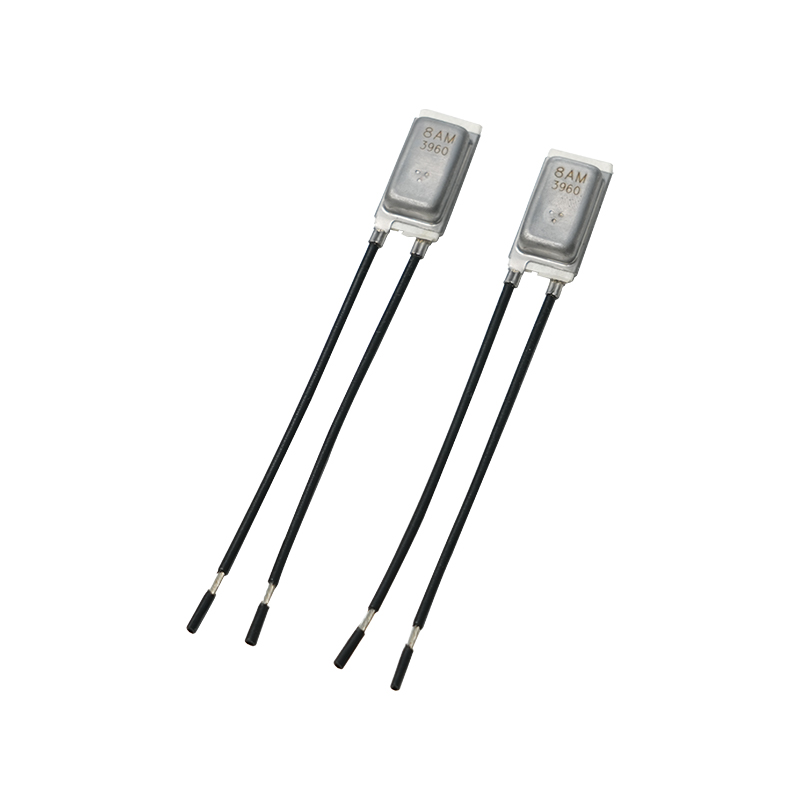
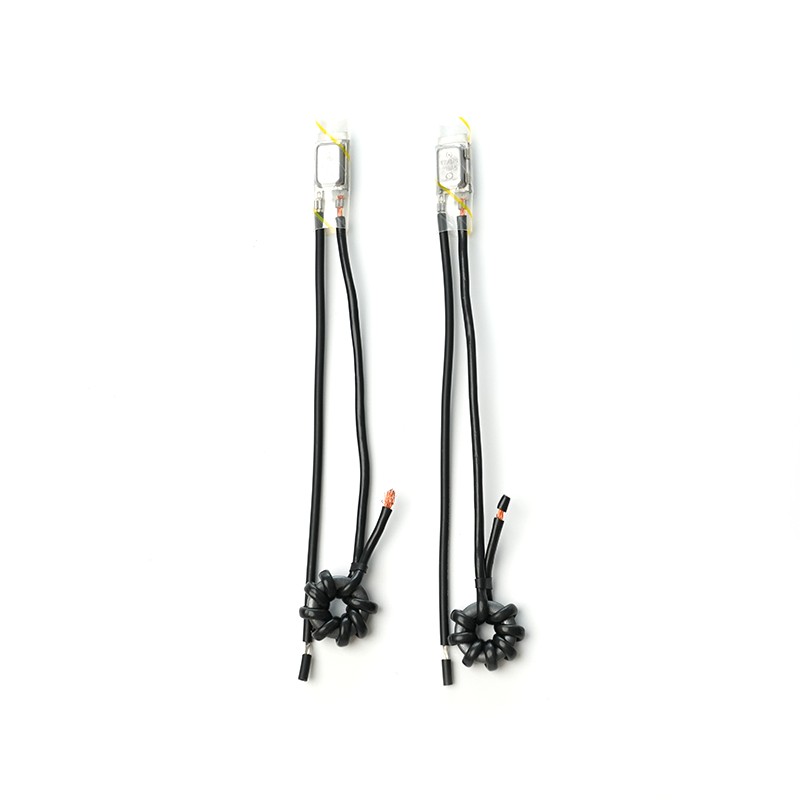
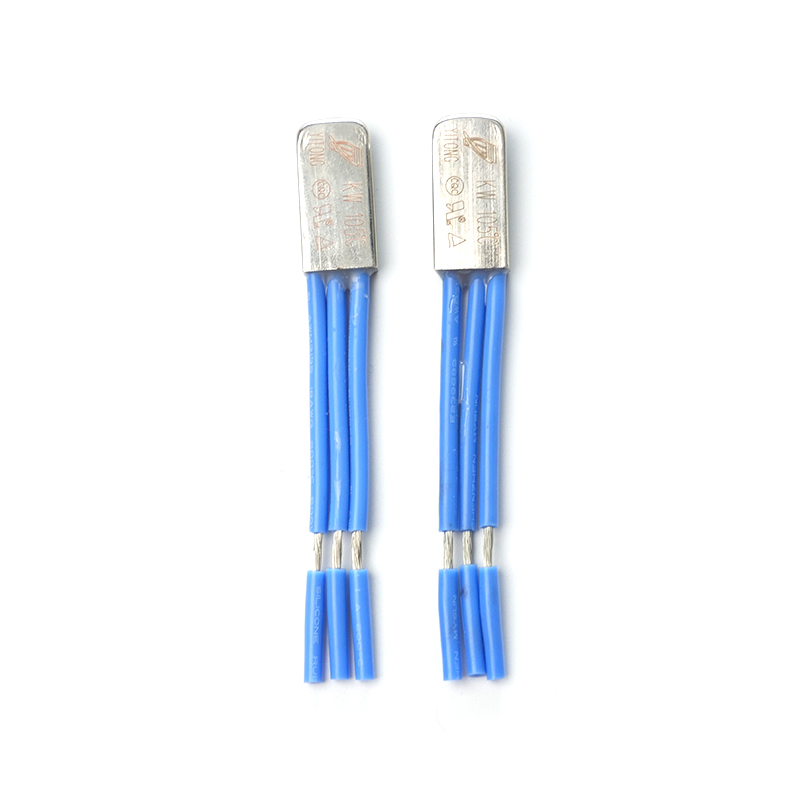



As China Thermal Protectors Manufacturers,Provide customers with high-quality and reliable protectors and electrical product safety protection solutions.
-
Tel:+86-515-88498139
-
Email:[email protected]
-
Phone:+86-13913681876
-
Add: Building C, No. 888 Huanhu West Second Road, Lingang New Area, China (Shanghai) Pilot Free Trade Zone
