

 English

What Is a Thermal Overload Protector and Why Does It Matter?

A thermal overload protector is a safety device designed to prevent motors, transformers, compressors, heaters, and other electrical equipment from overheating under excessive load conditions. By sensing temperature rise within the equipment or circuit, the protector interrupts the power supply when the temperature reaches a critical threshold. This prevents electrical fires, insulation breakdown, mechanical deformation, and premature equipment failure. As energy consumption, automation systems, and smart appliances continue to expand globally, the thermal overload protector has become an essential component in electrical safety engineering.
Thermal overload protectors function based on the principle of thermal expansion—or bimetal reaction—triggered by increased heat. The device detects excessive current indirectly through heat generation and disconnects the circuit if abnormal temperatures persist. When the protected equipment cools down, the protector typically resets automatically or manually depending on the design. This mechanism ensures continuous operational safety and reduces the likelihood of irreversible damage to key components in industrial and household systems.
How Does a Thermal Overload Protector Work?
The working principle of a thermal overload protector centers on thermal response. As electrical current flows through a device, resistance generates heat. Under normal operating conditions, this heat remains stable. However, overload conditions lead to excessive heat buildup. The protector, containing a precisely engineered bimetal strip or thermal pellet, reacts to this temperature rise. Once the sensory element reaches a predetermined temperature threshold, it triggers an internal mechanism to open the circuit and stop current flow.
Most protectors rely on a bimetal strip—a layered combination of metals with different expansion rates. As the strip heats, it bends and activates a switch mechanism, creating circuit interruption. Thermal pellet models melt at a specific temperature to initiate the disconnection. These mechanisms are reliable, cost-effective, and capable of responding to diverse thermal conditions across various electrical systems.
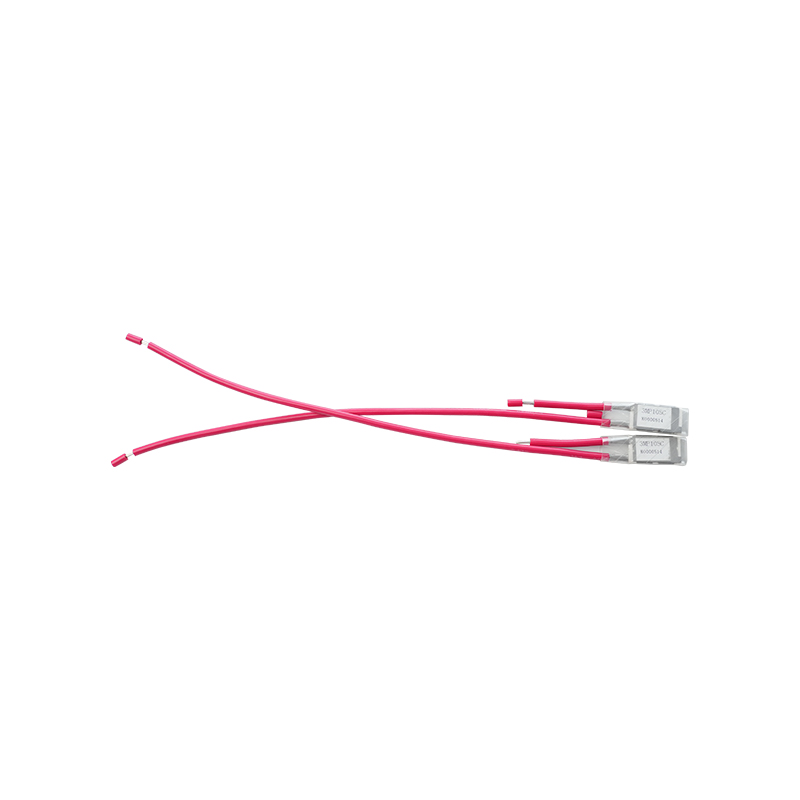
Key Functional Components
- A bimetal strip or thermal pellet engineered for precise temperature sensitivity.
- An internal switch mechanism that opens the circuit during overheating.
- A reset mechanism—manual or automatic—allowing circuit reconnection after cooling.
- Electrical terminals providing series connection within the circuit.
- A protective casing ensuring insulation, heat isolation, and long-term durability.
What Types of Thermal Overload Protectors Are Commonly Used?
Thermal overload protectors come in various types depending on sensing method, application, and reset mode. Selecting the appropriate type is essential to ensure accurate protection without unnecessary power interruptions. Different industries and equipment categories demand protectors with varying thermal response times, current tolerance levels, and mounting configurations.
Below is a comparison of commonly used protector types, their mechanisms, and typical scenarios.
| Protector Type | Mechanism | Applications |
| Bimetal Overload Protector | Temperature-driven bending of a bimetal strip. | Motors, pumps, HVAC systems, appliances. |
| Thermal Fuse Protector | Melting element provides non-resettable cutoff. | Heaters, transformers, small electronics. |
| Thermal Switch / Thermostat | Temperature-dependent switch activation. | Home appliances, industrial equipment. |
| Motor Thermal Protector | Embedded sensor directly monitors motor temperature. | Electric motors, compressors, power tools. |
Where Are Thermal Overload Protectors Most Commonly Applied?
Thermal overload protectors are integral to numerous systems requiring continuous operation, efficient power management, and safety assurance. The growing complexity of industrial machinery and consumer electronics has made thermal protection more critical than ever. By preventing equipment from operating beyond safe temperature limits, overload protectors reduce fire hazards, enhance energy efficiency, and support long-term equipment reliability.
Major Application Areas
- Electric motors in HVAC systems, fans, blowers, and pumps.
- Home appliances such as refrigerators, washing machines, and coffee makers.
- Industrial transformers, coils, and solenoid-driven devices.
- Automotive components including electric seats and cooling fans.
- Power tools, air compressors, and battery-operated devices.
- Medical equipment requiring strict temperature control.
What Are the Benefits of Using Thermal Overload Protectors?
Thermal overload protectors provide numerous benefits that enhance both operational safety and equipment longevity. They function as passive protection devices requiring no external power source or complex programming, making them ideal for cost-effective safety solutions. Their reliability in sensing abnormal temperature fluctuations ensures consistent protection across various operating conditions.
In industrial environments where continuous operation is critical, overload protectors help prevent expensive downtime and unplanned production stoppages. For household appliances, they provide vital protection for consumers and help manufacturers comply with global safety standards such as UL, CE, and IEC requirements. By integrating these protectors into electrical systems, manufacturers significantly reduce the risk of warranty claims, product recalls, and regulatory violations.
Key Advantages
- Prevents overheating-related damage to electrical components.
- Improves equipment reliability and extends service lifespan.
- Enhances fire prevention and user safety in consumer products.
- Provides automatic recovery after cooling (in self-reset models).
- Reduces maintenance costs and minimizes operational interruptions.
How to Select the Right Thermal Overload Protector?
Choosing the correct thermal overload protector requires understanding both the electrical characteristics of your system and the specific thermal limits of the equipment being protected. Manufacturers offer protectors in numerous configurations, temperature ratings, and reset types. Therefore, matching the right specifications is essential for ensuring proper response to overload conditions without triggering unnecessary shutdowns.
Factors such as buildup of ambient heat, current loading variations, mounting environment, and duty cycle must also be considered when selecting a protector. This ensures accurate thermal sensing and long-lasting reliability under real-world operating conditions.
Key Selection Criteria
- Choose the correct temperature rating based on equipment thermal limits.
- Select automatic or manual reset depending on operational safety needs.
- Ensure compatibility with voltage and current requirements of the circuit.
- Match form factor and mounting style (external, internal, embedded).
- Evaluate environmental conditions such as humidity, vibration, and airflow.
- Confirm compliance with regulatory standards and safety certifications.
How to Maintain Thermal Overload Protectors for Reliable Operation?
Although thermal overload protectors are low-maintenance components, regular inspection ensures continued reliability. Over time, dust accumulation, mechanical stress, incorrect installation, or poor ventilation can influence a protector’s thermal sensitivity. Scheduled maintenance is especially important in industrial environments where equipment operates continuously under heavy electrical load.
Operators should verify that airflow around the protected equipment is unobstructed and that temperature sensors remain free of contaminants. Mechanical systems such as motors and compressors must be periodically checked to make sure physical obstruction or lubrication issues are not causing unnecessary overheating. By addressing system-level issues early, overload protectors can perform with maximum effectiveness.
Maintenance Recommendations
- Inspect protective casings for cracks or contamination.
- Ensure heat-generating components maintain proper airflow.
- Check motors and compressors for mechanical overload sources.
- Replace damaged or degraded thermal protectors immediately.
- Conduct periodic thermal testing during routine equipment servicing.
Conclusion: Why Thermal Overload Protectors Are Essential for Modern Electrical Safety
Thermal overload protectors are indispensable components that safeguard electrical systems from dangerous overheating conditions. Their ability to detect thermal anomalies and interrupt power flow before damage occurs makes them essential for maintaining equipment safety, extending operational life, and preventing hazardous failures. From industrial machinery to everyday household appliances, thermal overload protection supports reliable performance and compliance with global safety standards. Selecting and maintaining the right protector ensures continuous, safe operation throughout the lifespan of electrical equipment.
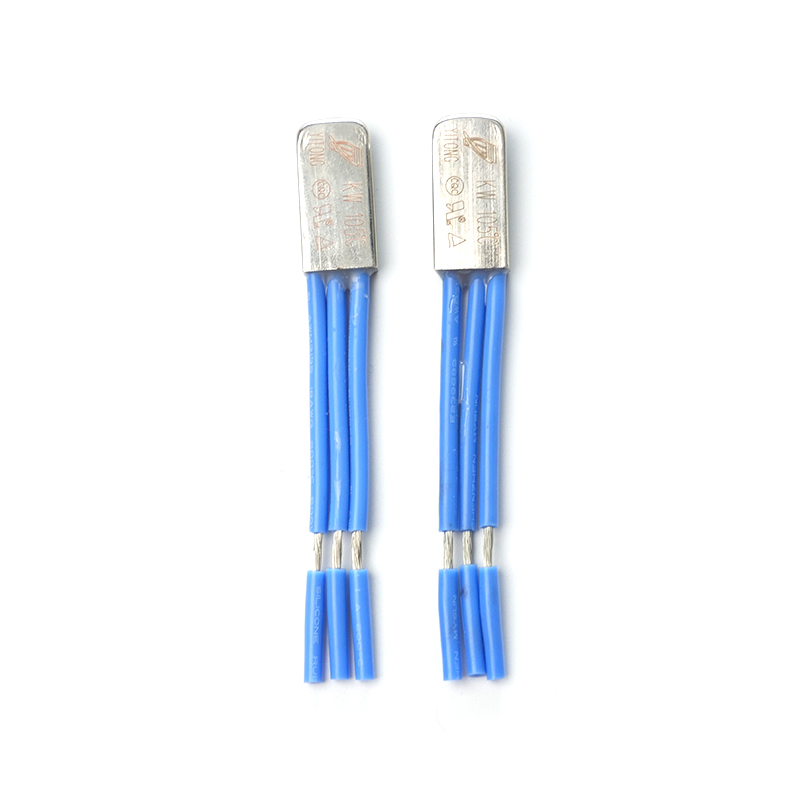



As China Thermal Protectors Manufacturers,Provide customers with high-quality and reliable protectors and electrical product safety protection solutions.
-
Tel:+86-515-88498139
-
Email:[email protected]
-
Phone:+86-13913681876
-
Add: Building C, No. 888 Huanhu West Second Road, Lingang New Area, China (Shanghai) Pilot Free Trade Zone
