

 English

Why Are Bimetal Thermostat Circuit Breakers Used in Electrical Protection?

Introduction to Bimetal Thermostat Circuit Breakers
Bimetal thermostat circuit breakers are essential components in modern electrical systems, offering a reliable and efficient means of protecting electrical circuits from damage due to excessive current or overheating. These circuit breakers function by using a bimetallic strip that bends when heated, triggering the break in the electrical circuit to prevent further damage. This article delves into the workings of bimetal thermostat circuit breakers, their role in electrical protection, and why they are a preferred choice for circuit protection in various applications.
How Do Bimetal Thermostat Circuit Breakers Work?
Bimetal thermostat circuit breakers rely on a combination of two metals with different coefficients of expansion. When current flows through the breaker, the bimetallic strip heats up due to the resistance of the electrical flow. As the strip heats, it bends, eventually triggering the opening of the circuit. The breaker is designed to return to its normal state once the temperature drops, allowing the circuit to resume normal function after the issue has been addressed.
Key Components of a Bimetal Thermostat Circuit Breaker
- **Bimetallic Strip**: The core component that bends in response to heat.
- **Electrical Contacts**: These open and close to control the flow of electricity.
- **Reset Mechanism**: Allows the breaker to return to its original state once the temperature has decreased.
- **Frame**: The casing that houses the components and provides physical protection.
Why Are Bimetal Thermostat Circuit Breakers Used in Electrical Protection?
Bimetal thermostat circuit breakers play a critical role in protecting electrical systems from overheating and excessive current. Their primary function is to interrupt the flow of electricity in circuits when a fault is detected, preventing potential damage to electrical components and reducing the risk of fires caused by overheated wires or malfunctioning devices.
Key Benefits of Bimetal Thermostat Circuit Breakers
- **Overload Protection**: They are designed to protect against both overloads and short circuits.
- **Durability**: Bimetal circuit breakers are long-lasting and can withstand multiple cycles of current interruptions.
- **Automatic Reset**: After tripping due to an overload, the circuit breaker automatically resets once the temperature normalizes, ensuring continuous protection.
- **Cost-Effectiveness**: Compared to other protection methods, bimetal thermostat circuit breakers are relatively inexpensive to manufacture and install.
- **Wide Range of Applications**: These circuit breakers are versatile and can be used in everything from home appliances to industrial machinery.
Applications of Bimetal Thermostat Circuit Breakers
Bimetal thermostat circuit breakers are used in a variety of applications where electrical protection is needed. They are particularly suitable for use in environments where the electrical load can fluctuate, as they provide a self-regulating protection mechanism. Common applications include:
- **Home Appliances**: Used in devices like ovens, toasters, and refrigerators to protect against overheating.
- **Power Distribution Systems**: Protecting transformers and distribution panels from overloads.
- **Industrial Equipment**: Used in motor circuits, control panels, and machinery to ensure safe operation.
- **Automotive Systems**: Protecting critical automotive electrical systems from excessive current.
Why Bimetal Thermostat Circuit Breakers Are More Efficient
Bimetal thermostat circuit breakers are often preferred over other types due to their efficiency in detecting and responding to electrical faults. Their ability to respond quickly to overheating and overcurrent events makes them an indispensable part of electrical protection systems. Additionally, the simplicity of their design makes them both reliable and cost-effective, ensuring that they are a practical choice for protecting electrical equipment across various industries.
Comparison with Other Types of Circuit Breakers
Unlike thermal or magnetic circuit breakers, bimetal thermostat breakers offer a more responsive and automatic mechanism for dealing with overloads and short circuits. Their self-resetting feature provides convenience and helps maintain safety over longer periods of time without requiring manual intervention. The key difference lies in the use of the bimetallic strip, which directly reacts to heat and current flow, making them ideal for circuits that experience fluctuating electrical loads.
Conclusion
Bimetal thermostat circuit breakers are an essential component in electrical protection, offering efficient, reliable, and cost-effective solutions to prevent overheating and electrical faults. Their ability to automatically reset and their durability make them ideal for use in various industries, from home appliances to industrial machinery. As electrical systems continue to become more complex and diverse, the demand for reliable protection systems like bimetal thermostat circuit breakers will only increase.
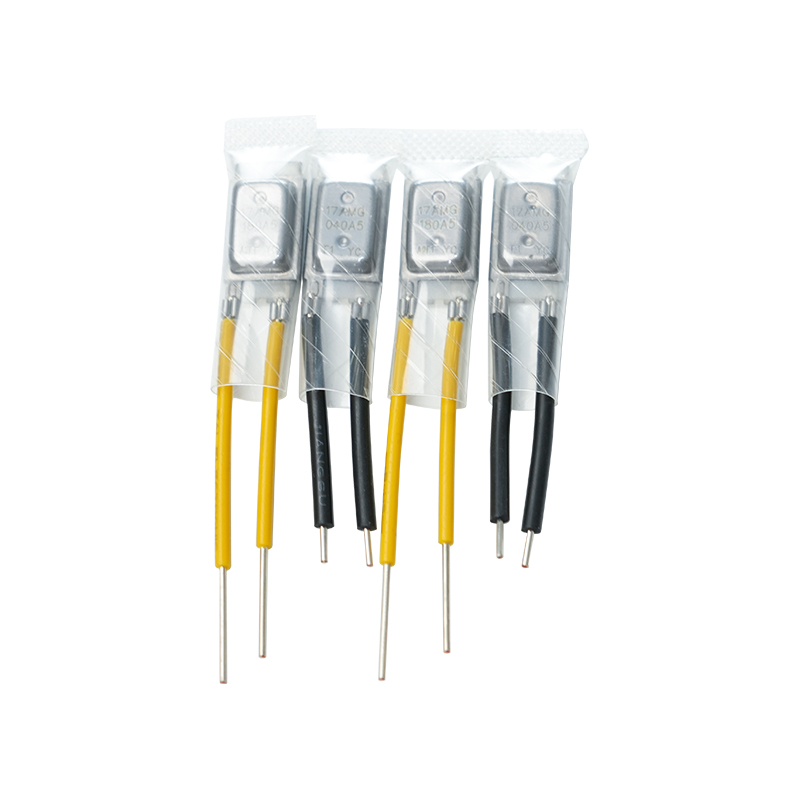
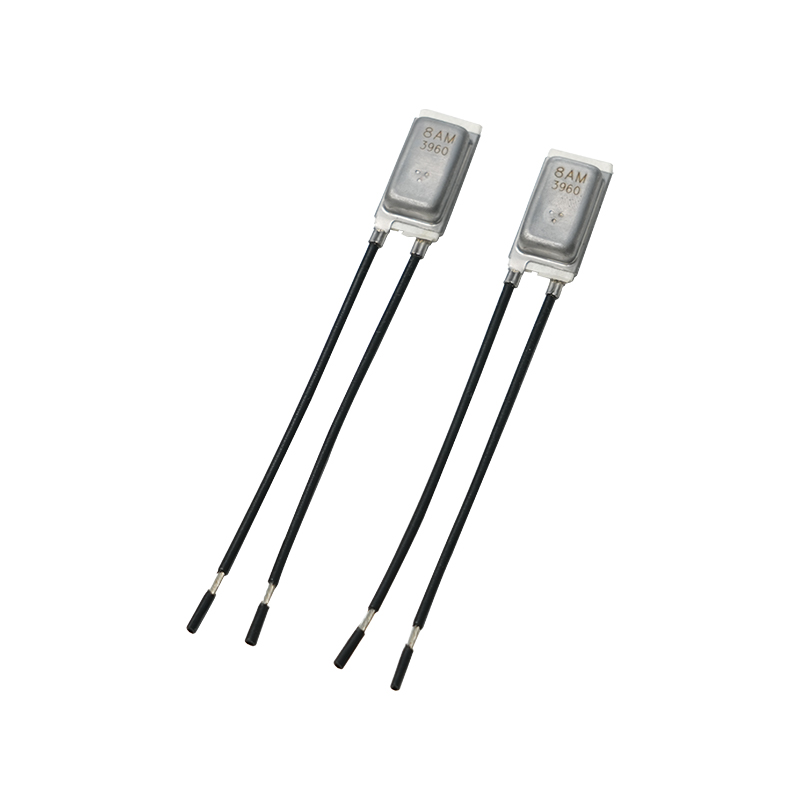
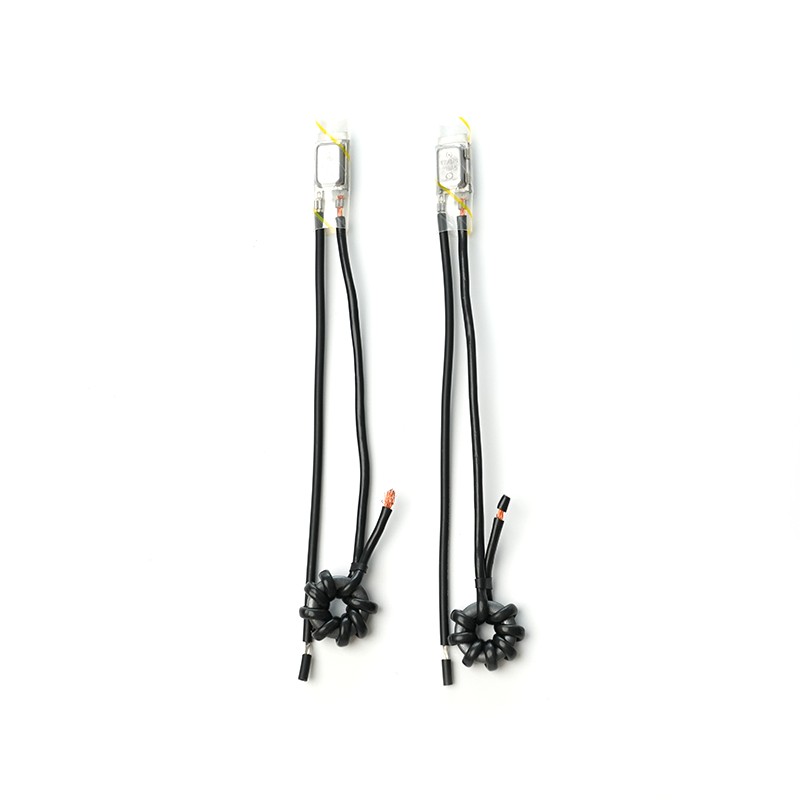
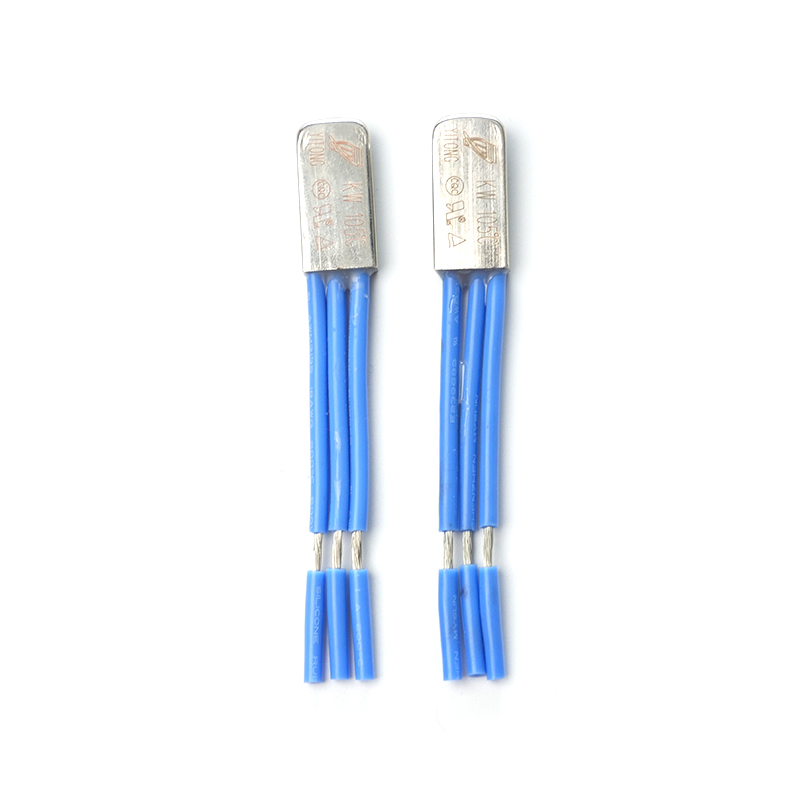



As China Thermal Protectors Manufacturers,Provide customers with high-quality and reliable protectors and electrical product safety protection solutions.
-
Tel:+86-515-88498139
-
Email:[email protected]
-
Phone:+86-13913681876
-
Add: Building C, No. 888 Huanhu West Second Road, Lingang New Area, China (Shanghai) Pilot Free Trade Zone
