

 English

How Do You Choose the Right AC Thermal Protector for Your System?

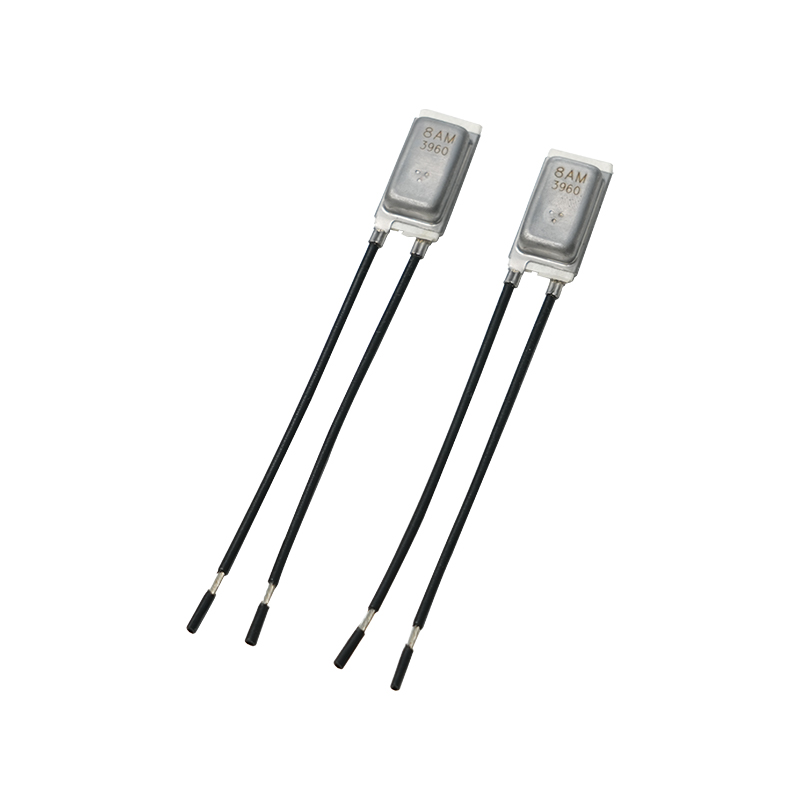
An AC thermal protector is a crucial safety device designed to prevent overheating in air conditioning systems. It detects excessive temperature in compressors or motors and automatically interrupts the electrical circuit to prevent damage. Proper selection and installation of a thermal protector can enhance system longevity and efficiency.
Types of AC Thermal Protectors
Bimetallic Thermal Protectors
Bimetallic thermal protectors utilize two metals with different expansion rates. When the temperature exceeds a threshold, the bimetallic strip bends and opens the electrical circuit, cutting off power to the motor. These are simple, cost-effective, and widely used in residential air conditioning units.
PTC (Positive Temperature Coefficient) Thermistors
PTC thermal protectors increase resistance rapidly when temperature rises. They limit current flow to prevent overheating and automatically reset when the temperature drops. PTC protectors are commonly used in small motors and compact air conditioning systems due to their fast response time and reliability.
Capillary Type Thermal Protectors
Capillary thermal protectors use a liquid-filled sensing bulb connected to a switch. Temperature changes cause pressure variations in the liquid, activating the switch to cut off the circuit. These are highly accurate and suitable for industrial AC units requiring precise thermal management.
Key Specifications to Consider
Temperature Rating
The temperature rating of a thermal protector should match the maximum safe operating temperature of the motor or compressor. Exceeding this rating may trigger false trips, while under-rated protectors may fail to prevent overheating.
Current Rating
Ensure the thermal protector can handle the operating current of the AC unit. Both the starting and running currents should be considered. Choosing a protector with inadequate current handling may lead to premature failure or system shutdown.
Reset Type
Thermal protectors can be automatic or manual reset. Automatic reset protectors restore power once the temperature falls below the set limit, minimizing downtime. Manual reset protectors require human intervention to restart, providing an extra safety layer in industrial applications.
Response Time
The response time defines how quickly the protector reacts to temperature changes. Faster response is essential for high-power compressors and motors to prevent thermal damage. Evaluate protectors based on both trip time and reset delay for optimal performance.
Installation Considerations
Correct installation ensures the protector functions effectively. Mount the device close to the motor winding or compressor housing for accurate temperature sensing. Avoid placing protectors near heat sources unrelated to motor operation, as this may cause false trips. Follow manufacturer guidelines for wiring and mechanical securing.
Maintenance and Testing
Regular maintenance helps maintain AC efficiency and protector reliability. Inspect protectors for signs of corrosion, loose connections, or mechanical wear. Perform periodic functional tests by gradually heating the sensor to verify proper trip operation. Replace any protector that shows inconsistent or delayed responses.
Choosing the Right Protector for Different AC Systems
Residential AC Units
For household air conditioners, bimetallic or PTC protectors are generally preferred due to their affordability and ease of replacement. Ensure the protector matches the compressor’s maximum operating temperature and running current.
Commercial AC Units
Commercial systems often operate continuously and under higher loads. Capillary-type protectors or high-grade PTC protectors are suitable because of their precision and faster response. Automatic reset functionality is usually preferred to reduce system downtime.
Industrial AC Systems
Industrial systems demand robust protectors capable of handling high currents and harsh environments. Consider protectors with higher temperature and current ratings, manual reset options for extra safety, and long-term durability against mechanical and electrical stress.
Conclusion
Selecting the right AC thermal protector involves evaluating type, temperature and current ratings, reset type, and response time. Proper installation, periodic maintenance, and matching the protector to system requirements ensure optimal safety, efficiency, and long service life for your air conditioning units.
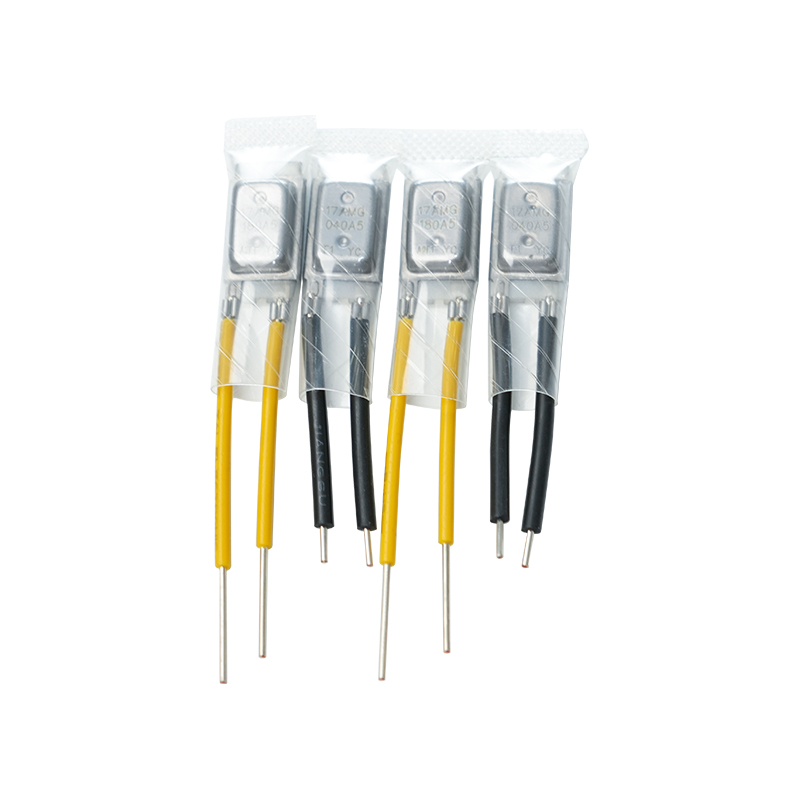

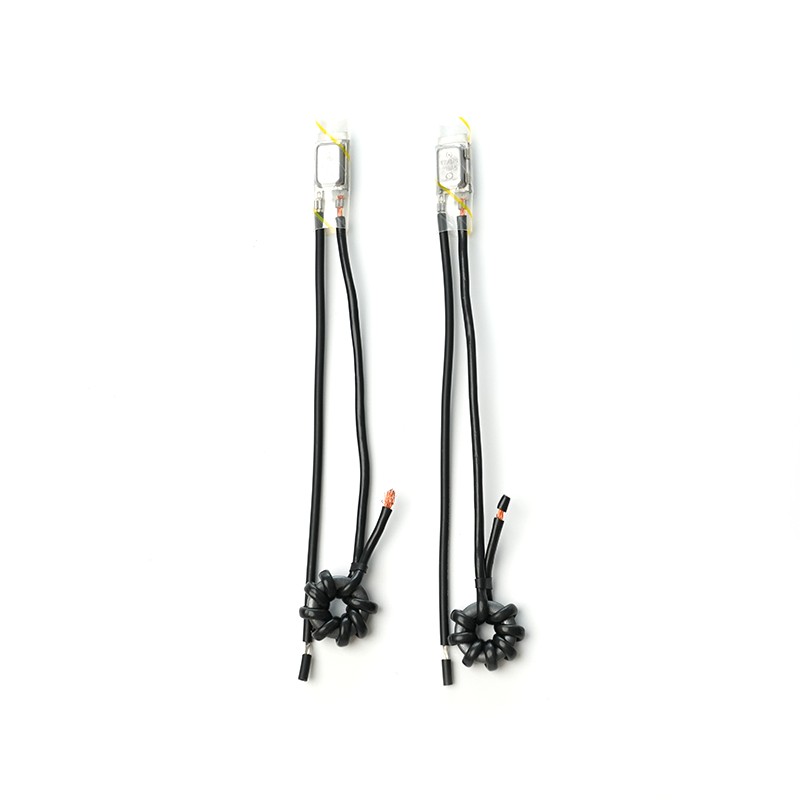
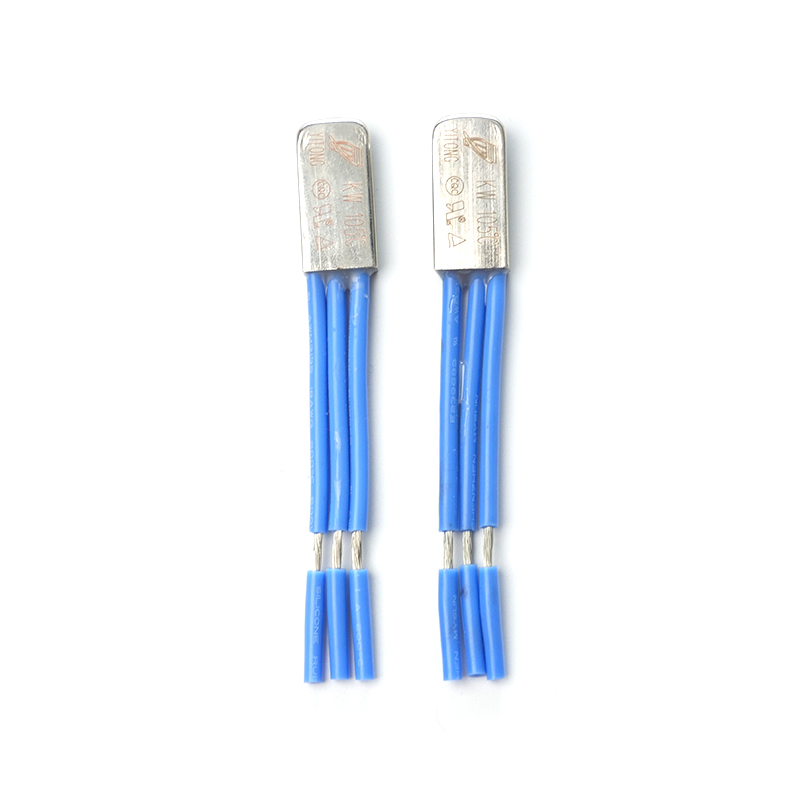



As China Thermal Protectors Manufacturers,Provide customers with high-quality and reliable protectors and electrical product safety protection solutions.
-
Tel:+86-515-88498139
-
Email:[email protected]
-
Phone:+86-13913681876
-
Add: Building C, No. 888 Huanhu West Second Road, Lingang New Area, China (Shanghai) Pilot Free Trade Zone
