

 English

What Are the Key Applications of Bimetal Thermostat Temperature Switches in Household and Industrial Devices?

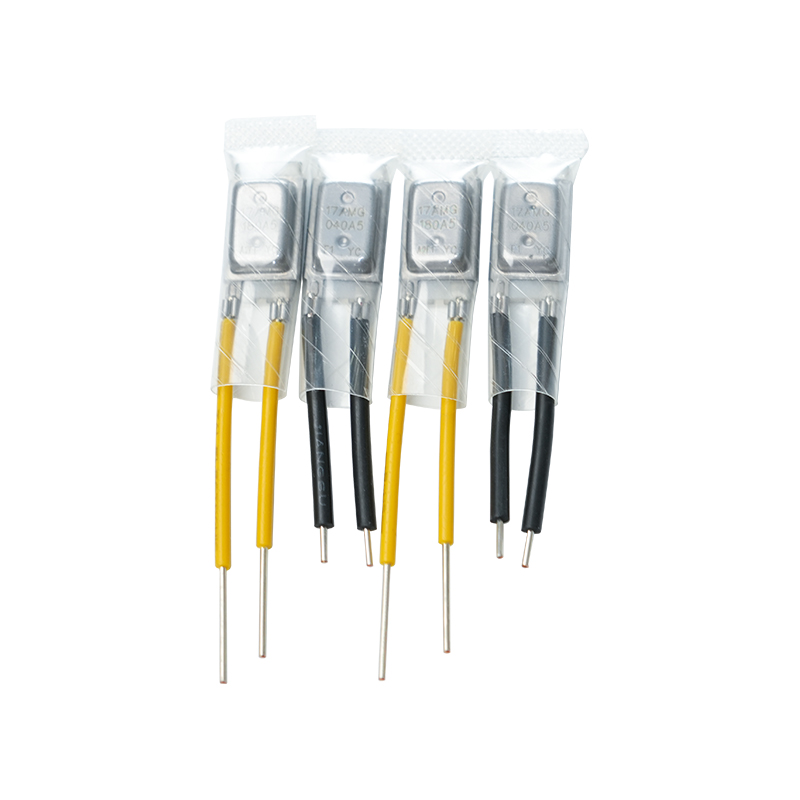
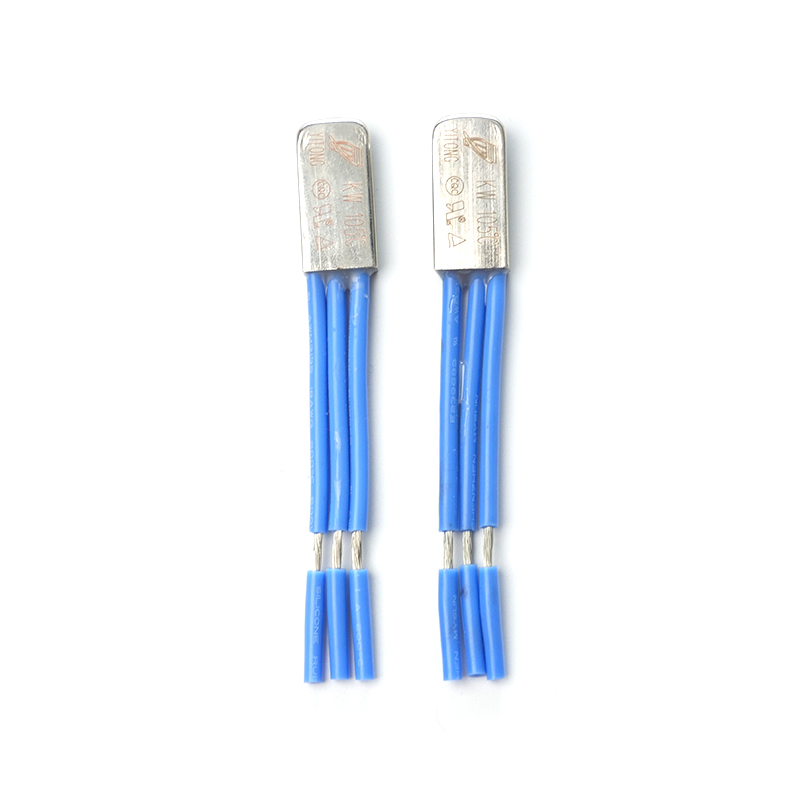
Bimetal thermostat temperature switches are precision devices designed to monitor and control temperature in various systems. They operate based on the principle of bimetallic expansion, where two metals with different thermal expansion rates bend when heated or cooled, triggering a mechanical switch. This simple yet effective mechanism allows for reliable on/off control without the need for external power or complex electronics.
These switches are widely used across household appliances, industrial equipment, and automotive systems, providing accurate temperature regulation and protection against overheating.
Operating Principle of Bimetal Thermostat Switches
The core of a bimetal thermostat switch consists of a bimetallic strip, typically made from two metals such as steel and copper or steel and brass. When the temperature changes, the metals expand at different rates, causing the strip to bend. This bending motion opens or closes an electrical contact, effectively turning a device on or off.
The mechanical nature of this operation ensures high reliability, low maintenance, and long service life, even in harsh environments, making bimetal switches ideal for both domestic and industrial applications.
Key Applications in Household Devices
Water Heaters and Boilers
Bimetal thermostat switches are extensively used in water heaters and boilers to control water temperature. They prevent overheating by cutting off the heating element when the set temperature is reached and automatically restore power when the temperature drops.
Ovens and Cooking Appliances
In ovens, toasters, and electric grills, these switches maintain consistent cooking temperatures. Their precision ensures even heating and reduces the risk of burning or undercooking food.
Refrigerators and Freezers
Bimetal thermostat switches monitor cooling cycles in refrigerators and freezers. They regulate compressor activity, maintaining optimal storage temperatures and reducing energy consumption.
Clothes Dryers and HVAC Systems
In dryers and heating, ventilation, and air conditioning (HVAC) systems, these switches prevent overheating of motors and heating elements. Their fast response ensures safe and efficient operation.
Industrial Applications
Industrial Heating Equipment
Bimetal thermostat switches are used to control heaters, furnaces, and ovens in industrial processes. They provide accurate temperature cut-off, protecting sensitive materials from overheating and maintaining product quality.
Motors and Transformers
Industrial motors, generators, and transformers often employ bimetal thermostat switches for thermal protection. The switch interrupts power when the device reaches critical temperatures, preventing damage and ensuring operational safety.
Cooling Systems and Heat Exchangers
In industrial cooling systems, these switches regulate coolant flow and fan operation, maintaining stable system temperatures. Their durability allows them to operate reliably in harsh, high-vibration environments.
Automation and Control Panels
Bimetal thermostat switches are integrated into control panels for temperature monitoring and safety interlocks. They act as fail-safe devices, shutting down systems before overheating occurs.
Advantages Over Electronic Thermostats
- No external power required for operation, enhancing reliability.
- High durability in harsh environments with minimal maintenance.
- Simple design allows easy integration into various mechanical systems.
- Cost-effective solution for temperature regulation in both small and large-scale systems.
Selection Considerations
When selecting a bimetal thermostat temperature switch, consider the following factors to ensure optimal performance:
- Temperature range and accuracy required for the application.
- Electrical ratings, including voltage and current capacity.
- Environmental conditions such as humidity, vibration, and exposure to chemicals.
- Mechanical configuration and mounting options suitable for the device.
Conclusion
Bimetal thermostat temperature switches are versatile and reliable devices widely used in both household and industrial applications. Their ability to accurately control temperature, combined with durability, low maintenance, and cost-effectiveness, makes them an essential component in heating, cooling, and thermal protection systems.
Understanding their applications, advantages, and selection criteria helps engineers and designers implement these switches effectively, ensuring safety, efficiency, and consistent performance across a variety of devices and industrial equipment.
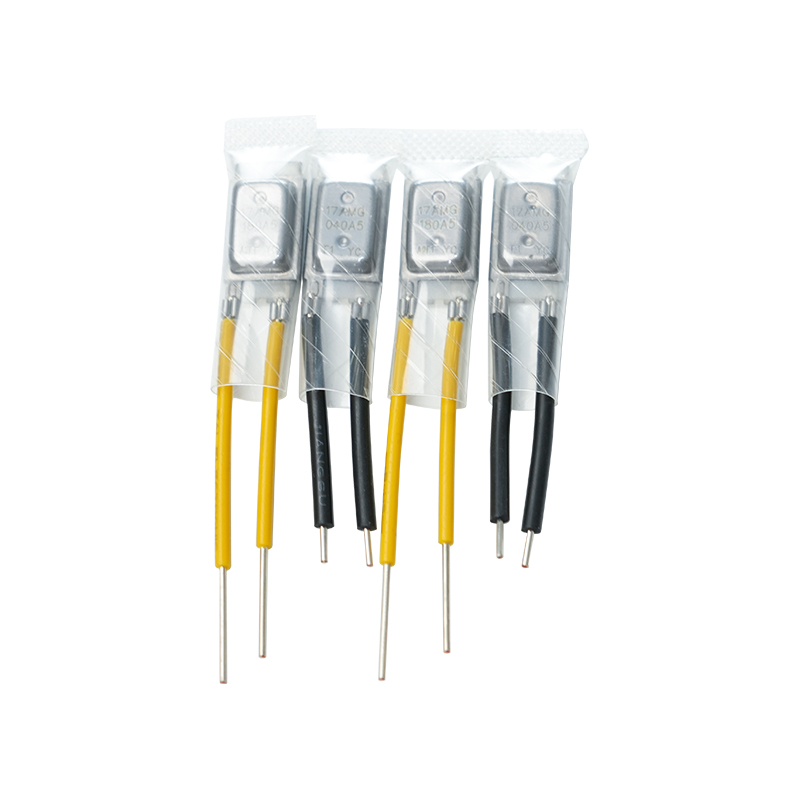
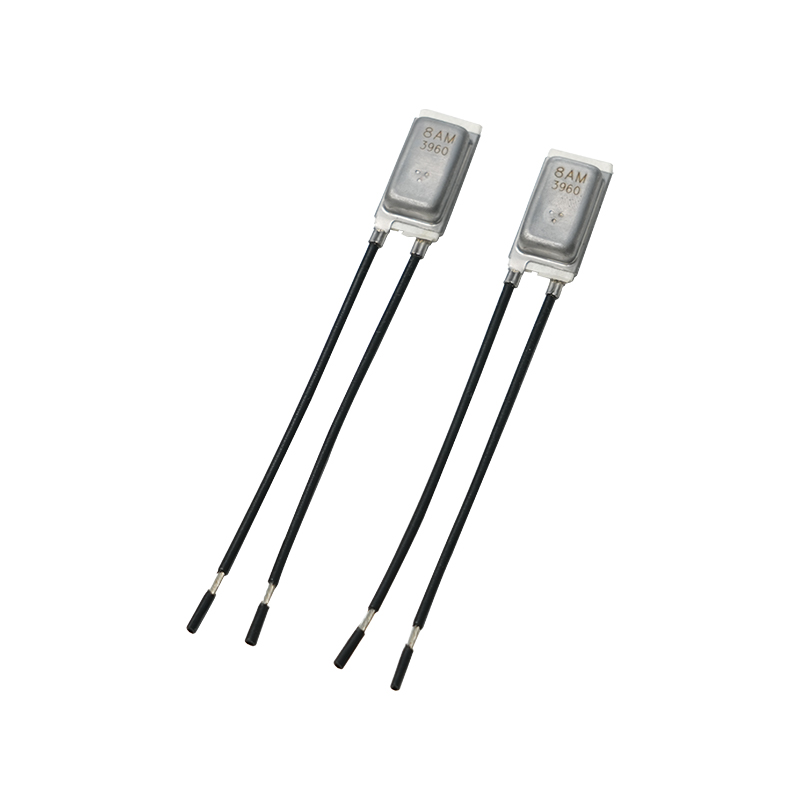
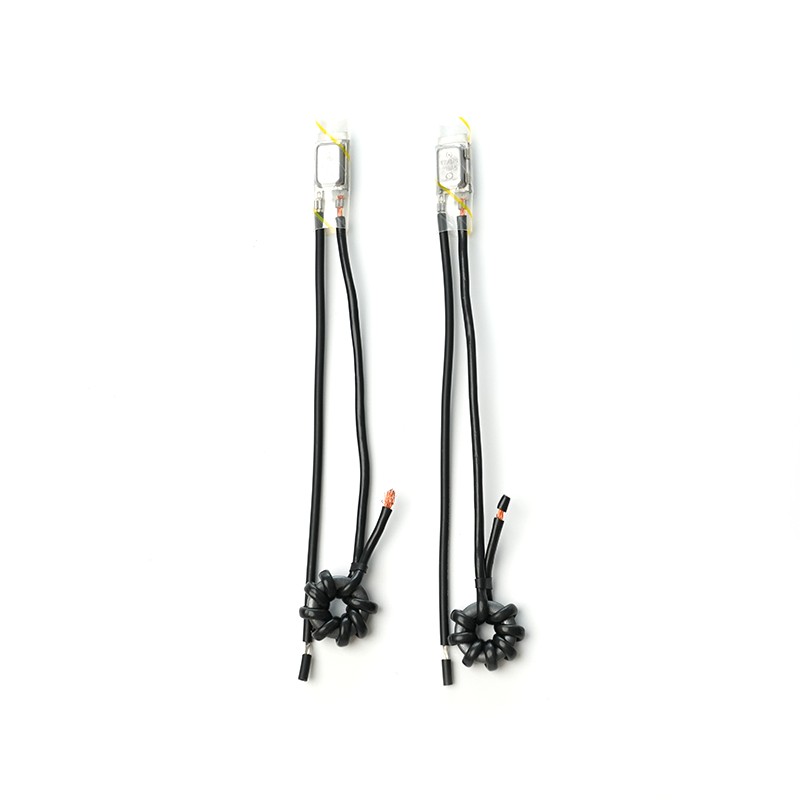



As China Thermal Protectors Manufacturers,Provide customers with high-quality and reliable protectors and electrical product safety protection solutions.
-
Tel:+86-515-88498139
-
Email:[email protected]
-
Phone:+86-13913681876
-
Add: Building C, No. 888 Huanhu West Second Road, Lingang New Area, China (Shanghai) Pilot Free Trade Zone
