

 English

How Does a Thermal Overload Protector Safeguard Electric Motors?

Understanding Thermal Overload Protectors
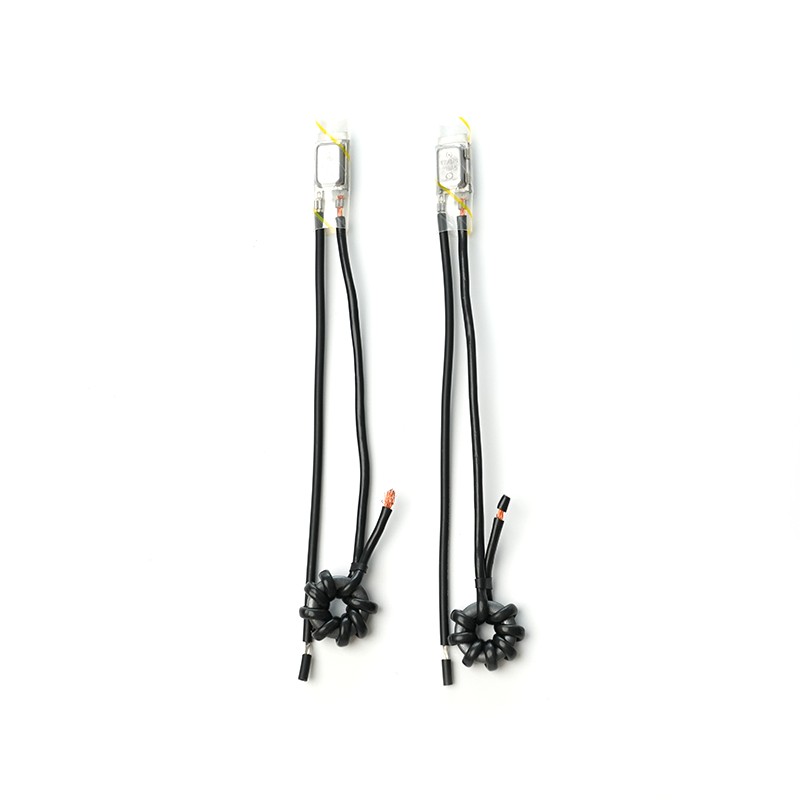
A thermal overload protector is a crucial safety device used in electric motors to prevent damage caused by excessive current or overheating. These devices automatically interrupt the motor’s electrical circuit when they detect temperatures above the safe operating range. By doing so, they protect motor windings, bearings, and other components from permanent damage, ensuring longer service life and improved operational reliability.
How Thermal Overload Protectors Work
Thermal overload protectors are designed to respond to the heat generated by electrical currents. Most units use a bimetallic strip or thermistor that bends or changes resistance as temperature rises. When the temperature exceeds a pre-set threshold, the device triggers a switch to disconnect the power supply to the motor. Once cooled down, some protectors reset automatically while others require manual intervention. This mechanism ensures that motors are not subjected to prolonged stress, which can lead to insulation failure or mechanical breakdowns.
Bimetallic Strip Mechanism
The bimetallic strip consists of two metals with different thermal expansion rates bonded together. As the motor heats up, the strip bends due to the unequal expansion, eventually activating the switch to cut off the current. This simple yet effective design is widely used in single-phase motors and small industrial applications.
Thermistor-Based Protection
Thermistors detect temperature changes through resistance variation. In motors, a positive temperature coefficient (PTC) thermistor increases its resistance as temperature rises, signaling the control circuit to stop the motor. This type of protection is highly sensitive and suitable for precision motors that require tight temperature control.
Key Benefits of Thermal Overload Protectors
Thermal overload protectors provide several advantages that are critical for motor longevity and safety:
- Prevents motor overheating and potential fire hazards.
- Reduces downtime by avoiding sudden motor failures.
- Extends motor lifespan by protecting windings and bearings.
- Improves energy efficiency by preventing excessive current draw.
- Low maintenance requirement compared to complex electronic protection systems.
Applications of Thermal Overload Protectors
Thermal overload protectors are used across a wide range of industries and motor types. They are commonly found in:
- Industrial manufacturing machinery, including conveyors and pumps.
- HVAC systems, such as compressors and fans.
- Household appliances like washing machines, dryers, and air conditioners.
- Electric tools and motors in workshops or assembly lines.
- Water treatment plants and agricultural pumps requiring continuous operation.
Selecting the Right Thermal Overload Protector
Choosing the proper thermal overload protector involves assessing motor specifications and operating conditions. Key factors include:
- Motor voltage and current ratings to match the protector's capacity.
- Operating environment, including ambient temperature and humidity.
- Type of motor (single-phase or three-phase) and its startup characteristics.
- Reset type preference: manual or automatic reset mechanisms.
- Compliance with industrial safety standards to ensure reliability.
Maintenance Tips for Thermal Overload Protectors
Although thermal overload protectors are relatively low-maintenance, regular checks are essential for optimal performance. Recommended practices include:
- Visual inspection for signs of wear, corrosion, or loose connections.
- Testing the protector’s trip response using controlled heating methods.
- Cleaning motor terminals and ensuring proper insulation around the protector.
- Verifying that the reset mechanism operates smoothly after tripping.
- Recording trip occurrences to detect patterns that might indicate motor issues.
Common Challenges and Solutions
Despite their benefits, thermal overload protectors can face challenges if improperly applied or maintained. Common issues include nuisance tripping, delayed response, and failure to reset. Solutions involve:
- Matching the protector’s rating closely with motor specifications to prevent false trips.
- Ensuring proper heat dissipation around the motor and protector.
- Using protective enclosures in harsh or dusty environments.
- Replacing worn or aged protectors to maintain reliable protection.
Advancements in Thermal Protection Technology
Modern thermal overload protectors are increasingly integrated with electronic controls for enhanced functionality. Innovations include digital monitoring, precise temperature sensing, and integration with motor control centers. These improvements allow predictive maintenance, energy savings, and real-time alerts, making thermal protection smarter and more reliable than ever before.
Conclusion
Thermal overload protectors play a vital role in safeguarding electric motors from overheating and damage. By interrupting the power supply during abnormal temperature conditions, these devices ensure motor reliability, reduce downtime, and extend operational life. Proper selection, installation, and maintenance are essential to maximize the benefits of thermal protection in industrial, commercial, and residential applications.
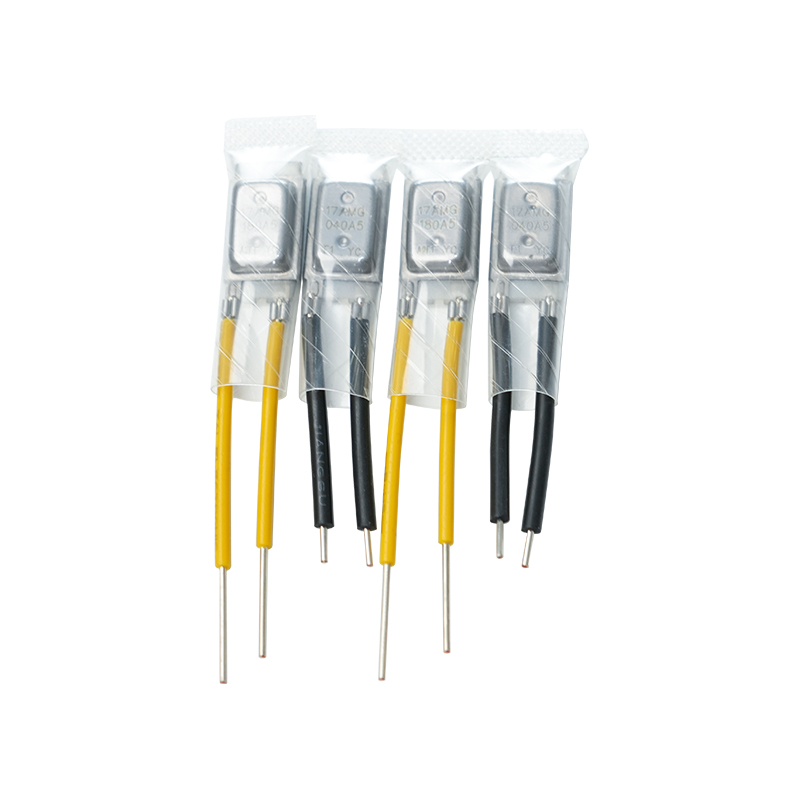
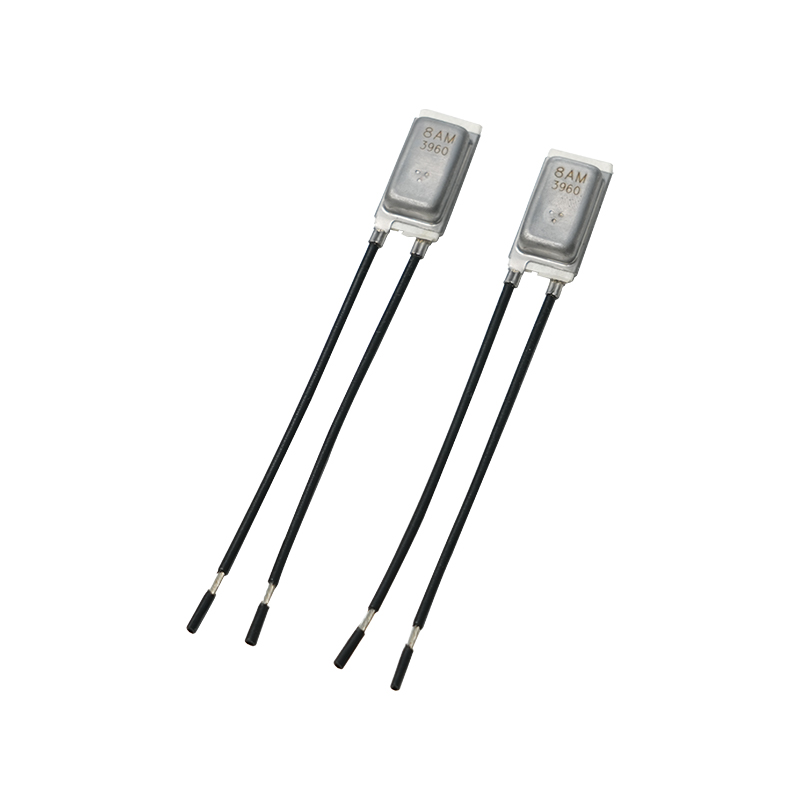

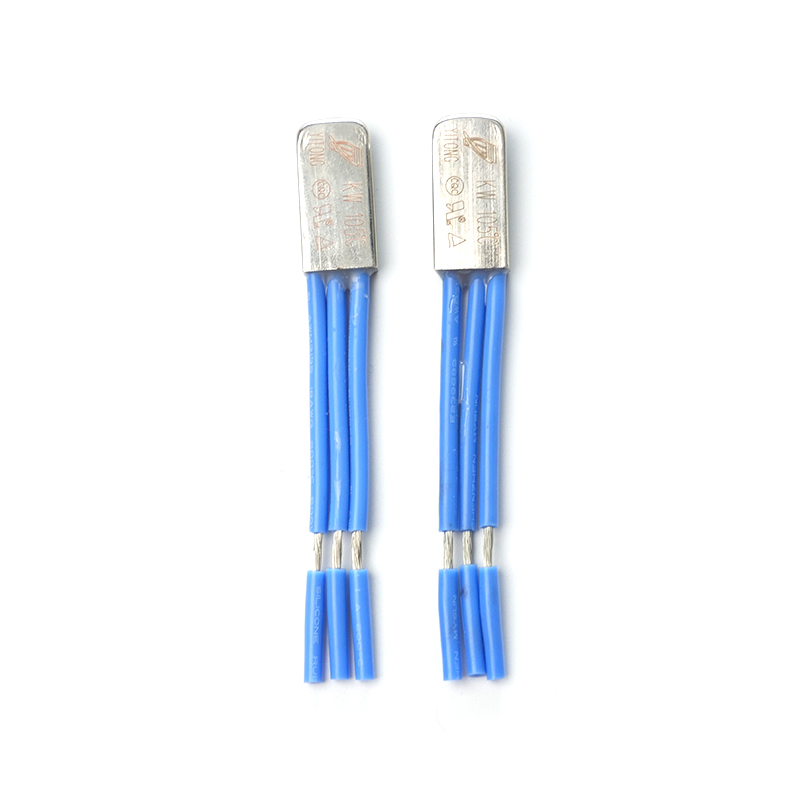



As China Thermal Protectors Manufacturers,Provide customers with high-quality and reliable protectors and electrical product safety protection solutions.
-
Tel:+86-515-88498139
-
Email:[email protected]
-
Phone:+86-13913681876
-
Add: Building C, No. 888 Huanhu West Second Road, Lingang New Area, China (Shanghai) Pilot Free Trade Zone
