

 English

What Factors Should You Consider When Selecting a Thermal Overload Protector for Your Motor?

Introduction to Thermal Overload Protectors
Thermal overload protectors (TOPs) are essential safety devices used to protect electric motors from overheating. They monitor the current flowing through a motor and interrupt the circuit if the motor temperature exceeds safe limits. Choosing the correct thermal overload protector is crucial for motor safety, energy efficiency, and longevity. Incorrect selection can lead to frequent tripping, motor damage, or inefficient operation.
Understanding Motor Thermal Characteristics
Before selecting a thermal overload protector, it is important to understand the thermal characteristics of the motor. Motors generate heat due to electrical resistance, friction, and environmental factors. Key parameters to consider include:
- Full-load current (FLC) – the current drawn by the motor at rated load.
- Service factor – the allowable overload the motor can handle without damage.
- Ambient temperature – external temperature can affect motor heating.
- Duty cycle – whether the motor operates continuously, intermittently, or under varying loads.
- Insulation class – the thermal tolerance of the motor windings.
Types of Thermal Overload Protectors
Thermal overload protectors come in several designs. Understanding the differences is key for proper selection:
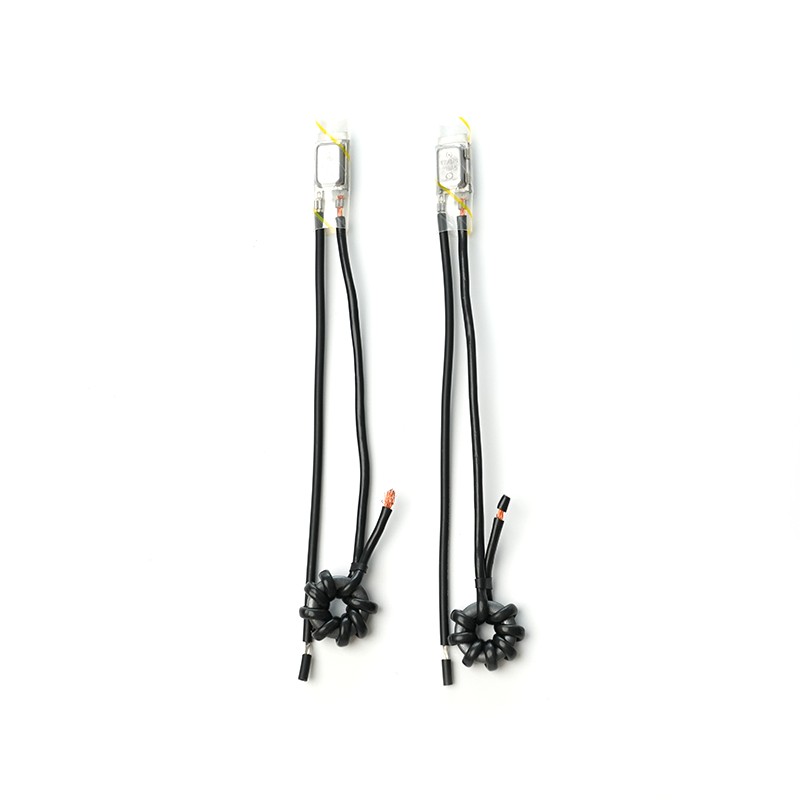
- Bimetallic Strip Protectors: Use two metals with different expansion rates that bend under heat, breaking the circuit.
- Thermistors (PTC/NTC): Electronic sensors that change resistance with temperature, used for precise control and integration with electronic motor starters.
- Electronic Overload Relays: Microprocessor-controlled devices offering adjustable trip settings and advanced features like phase loss detection.
- Manual Reset vs. Automatic Reset: Manual reset requires human intervention after tripping, while automatic reset resumes operation when the motor cools.
Determining the Correct Current Rating
The current rating of a thermal overload protector should match the motor's operating conditions. Key considerations include:
- Set the trip current slightly above the full-load current to avoid nuisance tripping.
- Adjust for service factor – if the motor has a service factor of 1.15, multiply the FLC by 1.15 to determine the trip point.
- Consider ambient temperature – for high-temperature environments, choose a protector with temperature compensation.
- Check motor type – single-phase motors may require different protector ratings compared to three-phase motors.
Environmental Considerations
The operating environment affects both motor and thermal overload protector performance. Considerations include:
- Ambient temperature fluctuations – high temperatures reduce trip thresholds, while low temperatures may delay tripping.
- Humidity and condensation – electronic protectors should have protection against moisture.
- Vibration – mechanical protectors may fail in high-vibration environments unless properly mounted.
- Dust and contaminants – enclosures may be needed to prevent foreign particles from affecting the protector mechanism.
Motor Application and Duty Cycle
Different motor applications require different overload protection strategies. Consider the following:
- Continuous Duty Motors: Use protectors with accurate trip curves to avoid frequent interruptions.
- Intermittent Duty Motors: Select protectors that allow short overload periods without tripping unnecessarily.
- Variable Load Applications: Electronic protectors with adjustable settings provide flexibility for changing load conditions.
- High Inrush Motors: Motors with high starting currents need protectors with delayed trip features to avoid nuisance trips.
Installation Best Practices
Proper installation ensures the thermal overload protector functions reliably:
- Mount the protector close to the motor windings for accurate temperature sensing.
- Ensure wiring is correct according to manufacturer instructions, avoiding loose connections.
- For electronic protectors, verify calibration and trip settings before operation.
- Protect the device from mechanical stress, vibration, and exposure to chemicals.
- Test the protector during commissioning to ensure it trips at the correct conditions.
Maintenance and Testing Practices
Regular maintenance and testing are critical for ensuring thermal overload protectors operate effectively over time. Key steps include:
- Periodic inspection for signs of wear, corrosion, or loose connections.
- Testing trip functionality using a controlled overload or test device.
- Calibration checks for electronic protectors to ensure proper trip current and response time.
- Cleaning to remove dust and debris that may affect mechanical operation.
- Replacing worn or malfunctioning protectors promptly to prevent motor damage.
Comparison of Thermal Overload Protectors
The following table compares common types of thermal overload protectors for practical selection guidance:
| Type | Advantages | Disadvantages |
| Bimetallic Strip | Simple, cost-effective, reliable for most motors | Limited precision, may wear over time |
| Thermistors (PTC/NTC) | Precise temperature detection, good for sensitive applications | Requires calibration, sensitive to wiring errors |
| Electronic Overload Relay | Adjustable settings, advanced features, phase loss detection | Higher cost, requires proper configuration |
Summary of Selection Guidelines
Selecting the right thermal overload protector involves careful consideration of motor characteristics, environmental conditions, application requirements, and protector type. Key selection tips include:
- Match the protector's trip current to motor full-load current and service factor.
- Choose the appropriate protector type (bimetallic, thermistor, electronic) based on application sensitivity.
- Consider ambient temperature, vibration, and contamination levels.
- Ensure proper installation, calibration, and regular maintenance.
- Review manufacturer specifications and select a protector compatible with motor type and duty cycle.
Following these guidelines ensures motor protection, improves operational reliability, reduces downtime, and extends the life of both motors and thermal overload protectors.
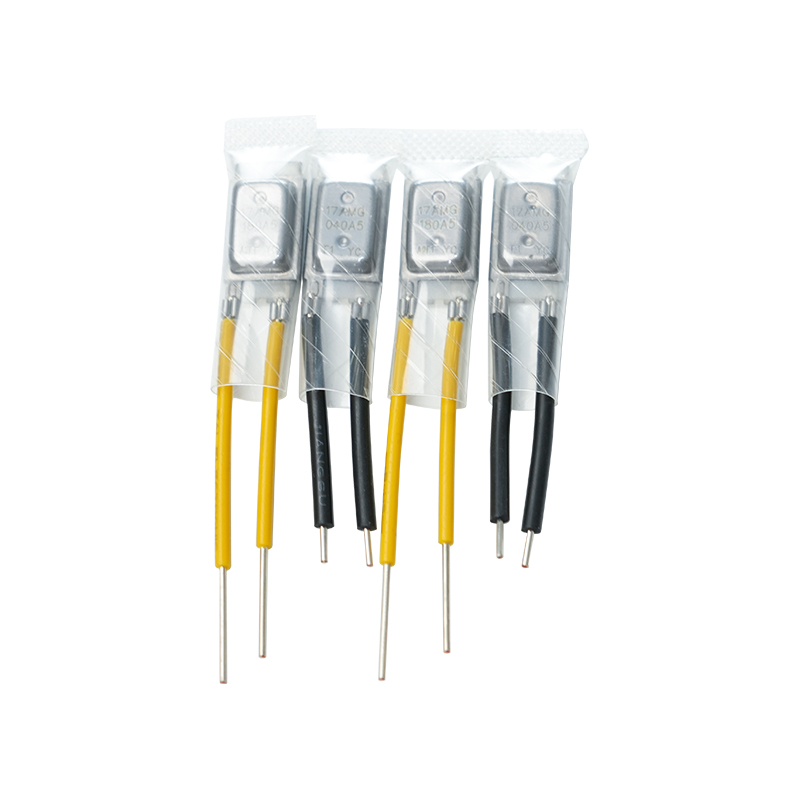
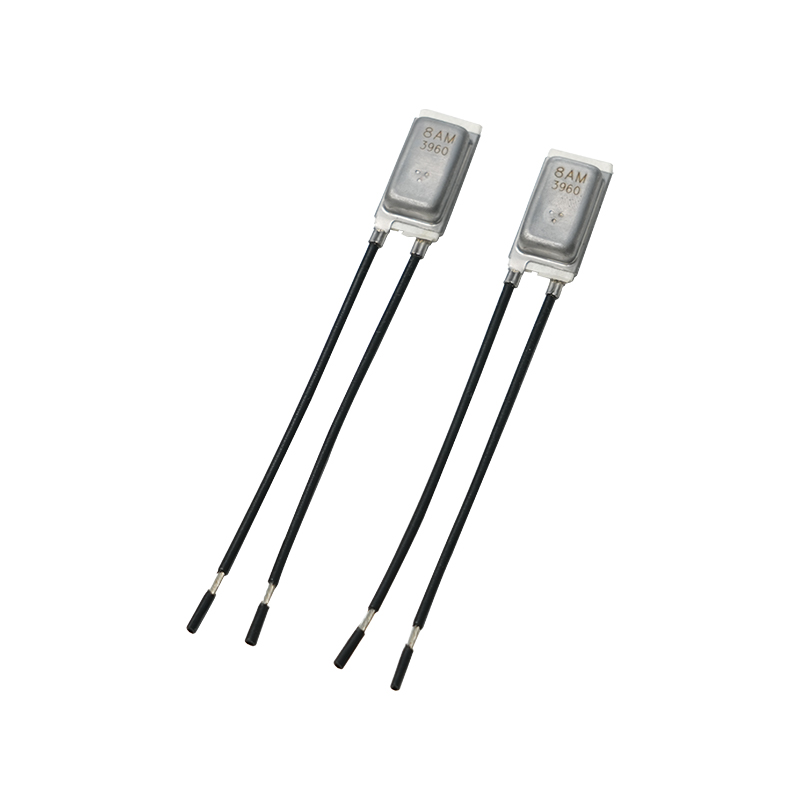

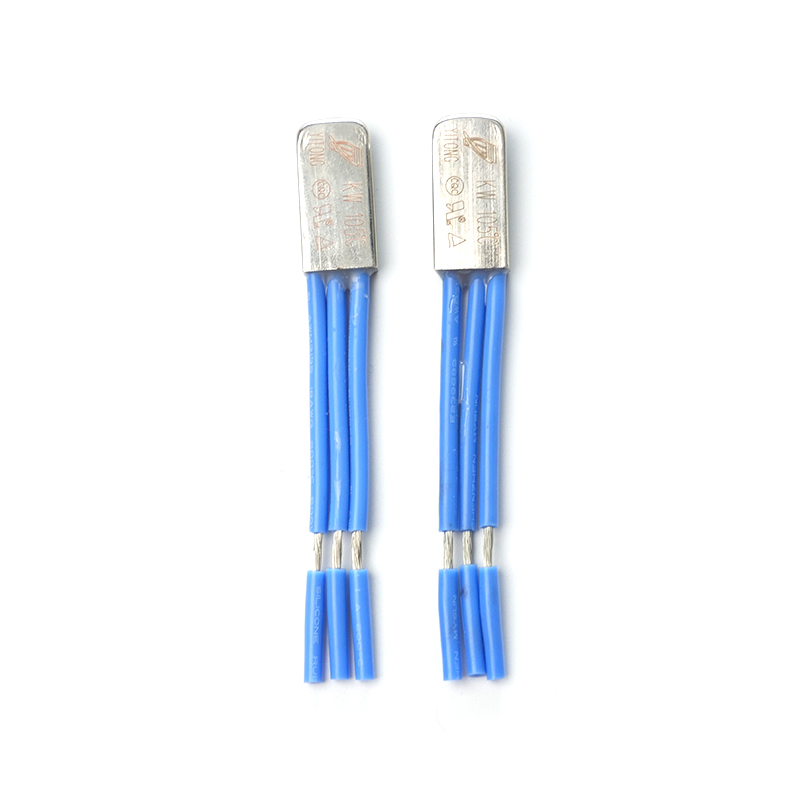



As China Thermal Protectors Manufacturers,Provide customers with high-quality and reliable protectors and electrical product safety protection solutions.
-
Tel:+86-515-88498139
-
Email:[email protected]
-
Phone:+86-13913681876
-
Add: Building C, No. 888 Huanhu West Second Road, Lingang New Area, China (Shanghai) Pilot Free Trade Zone
