

 English

What Are the Common Applications and Failure Causes of Temperature Switch Protectors?

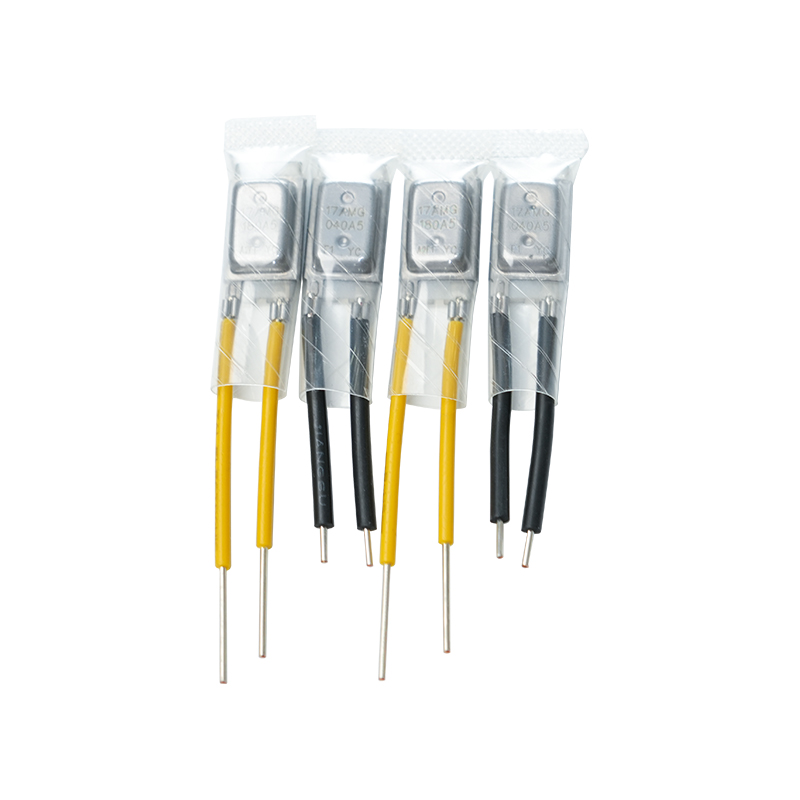
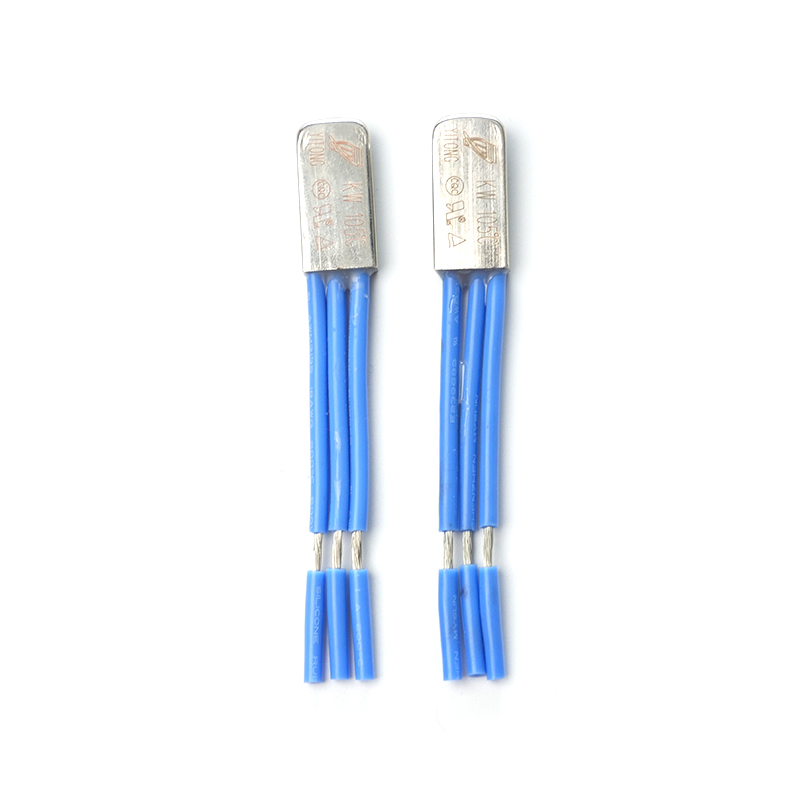
Temperature Switch Protectors are thermal safety devices designed to monitor temperature changes and interrupt or control electrical circuits when preset limits are reached. They play a critical role in preventing overheating, fire hazards, and component damage across industrial, commercial, and consumer applications. Unlike temperature sensors that only measure heat, these protectors actively trigger switching actions, such as cutting off power or activating alarms.
These devices typically operate using bimetal discs, gas-filled bellows, or electronic sensing elements. When abnormal temperatures occur, the switch reacts mechanically or electronically, ensuring timely protection. Understanding where these protectors are used and why they may fail is essential for engineers, maintenance teams, and equipment buyers.
Common Applications in Electrical Motors and Drives
Electric motors are one of the most widespread applications for Temperature Switch Protectors. Motors generate heat during normal operation, but excessive temperature caused by overload, voltage imbalance, or poor ventilation can quickly lead to insulation breakdown and winding failure.
Temperature switch protectors are embedded in motor windings or mounted on housings to provide direct thermal feedback. Once the threshold is exceeded, the protector disconnects the power supply, preventing catastrophic damage and extending motor lifespan.
- Protection of single-phase and three-phase motors in industrial machinery
- Overheat prevention in pumps, compressors, and fans
- Thermal safety in HVAC blower motors and drive systems
Use in Household Appliances and Consumer Products
Household appliances rely heavily on Temperature Switch Protectors to meet safety standards and ensure user protection. Appliances such as electric heaters, coffee makers, washing machines, and refrigerators all experience fluctuating thermal loads during operation.
In these products, temperature switch protectors serve as automatic shutoff devices. When abnormal heating occurs due to blocked airflow, component aging, or user misuse, the switch cuts power to reduce the risk of fire or electrical shock.
- Over-temperature protection in electric kettles and heating plates
- Safety cutoffs in dryers and washing machines
- Compressor protection in refrigerators and freezers
Applications in Industrial Heating and Power Equipment
Industrial heating systems, power supplies, and electrical cabinets operate under high thermal stress. Temperature Switch Protectors are essential in safeguarding transformers, control panels, and power electronics from overheating caused by continuous load or poor heat dissipation.
In industrial environments, these protectors are often integrated with control logic to trigger alarms, shutdown sequences, or backup cooling systems. Their reliability directly affects production safety and operational continuity.
| Application Area | Protected Component | Primary Purpose |
| Power Transformers | Windings | Prevent insulation damage |
| Industrial Ovens | Heating elements | Avoid runaway heating |
| Control Cabinets | Electronic modules | Ensure thermal stability |
Typical Failure Causes of Temperature Switch Protectors
Despite their robust design, Temperature Switch Protectors are not immune to failure. Understanding the common failure causes helps users select appropriate models and implement preventive maintenance strategies.
Mechanical Fatigue and Wear
Many temperature switch protectors rely on mechanical components such as bimetal discs or springs. Repeated thermal cycling can cause metal fatigue, altering the switching temperature or leading to delayed response. Over time, this wear reduces accuracy and reliability.
Electrical Contact Degradation
Switch contacts are exposed to arcing and oxidation during frequent on-off cycles. High current loads accelerate contact erosion, increasing resistance and generating additional heat. This degradation can result in intermittent operation or complete failure.
Improper Installation or Poor Thermal Coupling
Incorrect mounting position or insufficient contact with the heat source can prevent accurate temperature detection. If the protector is poorly coupled to the component it monitors, it may respond too late or fail to trip altogether.
Environmental and Contamination Factors
Exposure to moisture, dust, oil, or corrosive chemicals can impair the internal mechanism of temperature switch protectors. Harsh environments accelerate aging and increase the risk of short circuits or mechanical sticking.
How to Reduce Failure Risks in Practical Applications
Reducing failure risks begins with selecting the right Temperature Switch Protector for the application. Factors such as rated temperature range, current capacity, reset type, and environmental resistance should be carefully evaluated.
- Choose protectors with suitable temperature tolerance and hysteresis
- Ensure proper mounting and firm thermal contact
- Avoid operating near maximum electrical ratings continuously
- Schedule regular inspections in high-cycle applications
Conclusion: Balancing Protection and Reliability
Temperature Switch Protectors are indispensable components in modern electrical and thermal systems. From motors and household appliances to industrial power equipment, their applications span a wide range of industries. However, failures caused by mechanical fatigue, contact degradation, installation errors, or environmental exposure can compromise safety if not properly addressed.
By understanding common applications and failure causes, users can make informed decisions when selecting, installing, and maintaining Temperature Switch Protectors. This practical knowledge not only improves system reliability but also enhances overall safety and operational efficiency.
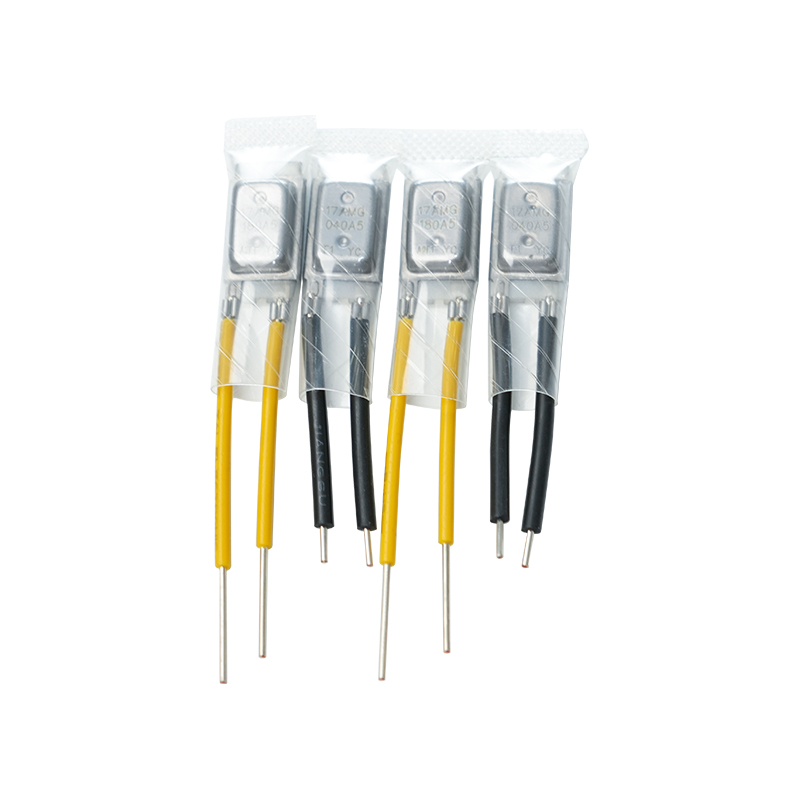
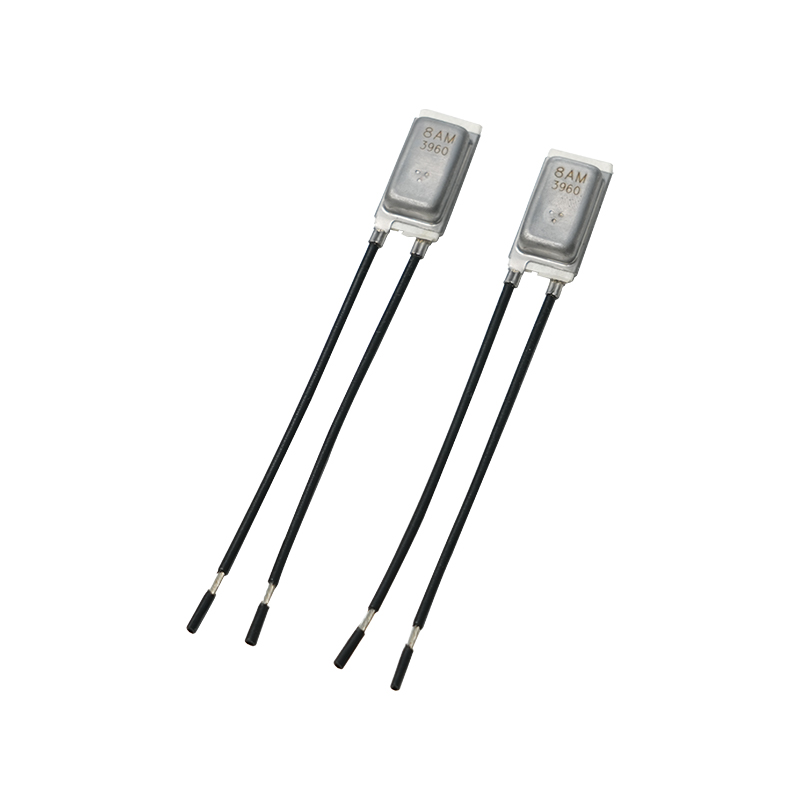
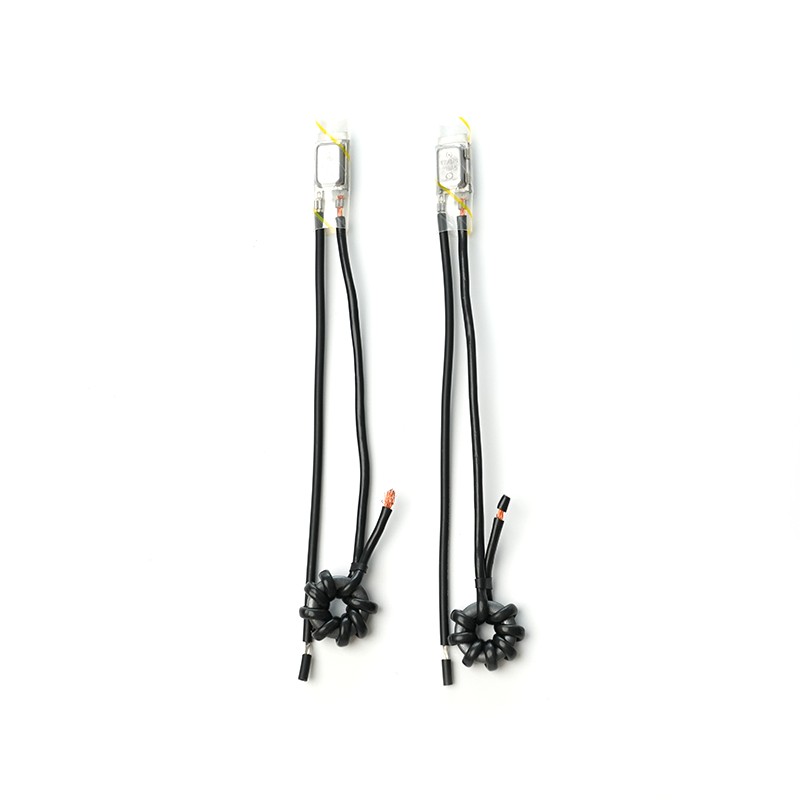



As China Thermal Protectors Manufacturers,Provide customers with high-quality and reliable protectors and electrical product safety protection solutions.
-
Tel:+86-515-88498139
-
Email:[email protected]
-
Phone:+86-13913681876
-
Add: Building C, No. 888 Huanhu West Second Road, Lingang New Area, China (Shanghai) Pilot Free Trade Zone
